


Samurai Clothing Guide: History, Battle Wear, and Ceremonial Attire
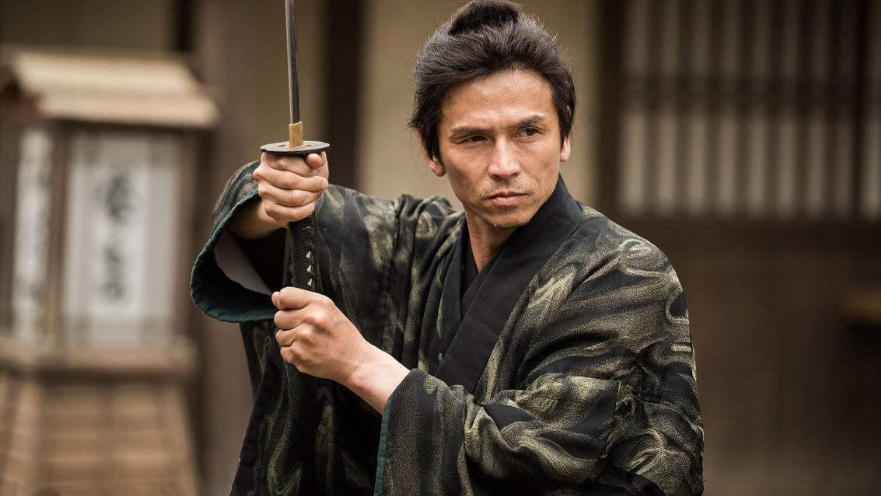
What Did Samurai Wear and How Did Their Clothing Reflect Status and Spirit?
In exploring samurai swords, bushido, and Japanese history, understanding samurai clothing is essential. A samurai’s attire not only reflected their social status but also combined practicality, aesthetics, and spiritual symbolism, leaving a rich cultural legacy for future generations. This article provides a comprehensive overview of samurai daily wear, battle garments, ceremonial attire, and accessory culture, offering insights into Japanese samurai culture from a clothing perspective and examining its influence on modern collecting and anime culture.
Historical Background of Samurai Clothing
Samurai, as a key social class during Japan’s feudal period, played an important role in politics, warfare, and culture from the Heian period to the Edo period (circa 794–1868). They were not only elite warriors on the battlefield but also administrators maintaining local governance and social order.
Over time, samurai clothing evolved from simple, functional garments to complex outfits that combined status symbols, ceremonial use, and battle efficiency, reflecting social hierarchy and the deep ideals of bushido.
-
Heian Period: Samurai wore wide-sleeved robes to display nobility.
-
Kamakura and Muromachi Periods: With increased mounted combat and practical needs, hakama, war robes, and basic armor became common, emphasizing mobility and protection.
-
Edo Period: Samurai shifted from active warriors to administrative officials, and clothing emphasized ceremony, family identity, and status, such as Kamishimo and family crests.
Thus, the evolution of samurai clothing reflects changes in society, the fusion of practicality, etiquette, and cultural symbolism, and provides a window into Japanese history and bushido values.

1. Everyday Clothing: Balancing Practicality and Status
When not in battle, samurai attire focused on comfort while signaling social rank and aesthetic taste. Key elements of traditional daily wear include:
Kimono
The kimono was the basic garment for everyday wear, featuring a T-shaped, straight-line cut, often made of silk or high-quality cotton. Samurai favored subdued colors and patterns that reflected their status, family aesthetics, and social rank.
Hakama
Hakama are wide-legged trousers tied at the waist and extending to the ankles. They allowed ease of movement while riding or walking and became an important indicator of samurai identity. Paired with the obi (belt), hakama created a sharp and upright appearance.
Obi
The obi secured the kimono and hakama, and for samurai, it also served to hold swords, such as the katana or wakizashi, integrating clothing with weaponry.
2. Battle Clothing: Comfort and Mobility
Before donning armor, samurai wore fundoshi (traditional undergarments) and hitoe (lightweight, unlined shirts) to reduce friction with armor and provide a base layer of comfort.
Foot and Leg Gear (Tabi & Kyahan)
-
Tabi: Split-toe socks, worn with straw sandals or wooden clogs, improving mobility.
-
Kyahan: Cloth gaiters worn under armor to protect the legs while allowing flexibility.
These seemingly simple garments greatly enhanced movement and comfort under combat conditions.

3. Ceremonial and Formal Attire: Symbolizing Authority
Samurai formal clothing reflected cultural refinement, rank, and social hierarchy.
Heian Period Formal Wear (Hitatare)
Hitatare featured wide, flowing sleeves and elegant shapes, influenced by early Japanese aristocratic fashion.
Edo Period Formal Wear (Kamishimo)
During the Edo period, formal attire evolved into Kamishimo, consisting of a sleeveless jacket (kataginu) and wide trousers (hakama), often adorned with family crests, symbolizing honor and status.
These garments represented more than clothing—they embodied samurai education, etiquette, and traditional values.
4. Accessories and Symbolic Elements in Samurai Clothing
Samurai outfits were often complemented with functional and decorative accessories that reflected culture and aesthetic values:
Sageo & Inro
-
Sageo: Cord for securing the sword sheath (saya).
-
Inro: Small containers attached to the obi for carrying personal items like seals or incense.
Tessen (Iron Fan)
An iron war fan used for signaling and self-defense, exemplifying the combination of elegance and practicality.
Other Traditional Items
-
Kiseru: Traditional smoking pipe, showcasing samurai refinement outside combat.
5. Modern Appreciation and Influence
Today, traditional samurai clothing is respected and celebrated in festivals, martial arts demonstrations, films, anime, and fashion. The aesthetic of samurai attire continues to inspire modern clothing design, costume creation, and cultural activities, allowing people to experience the depth of traditional Japanese culture.
Studying samurai clothing helps historians, martial arts enthusiasts, and cultural collectors better understand Japanese culture and the samurai spirit.
Conclusion: Samurai Clothing as Culture and Symbol
From everyday kimono to battle undergarments, from ceremonial Kamishimo to sword accessories, samurai clothing formed a system that was both practical and symbolic.
It reflected historical social status, cultural refinement, and the samurai values of responsibility, honor, and aesthetic taste.
Whether you are interested in samurai culture, Japanese history, or traditional fashion, exploring samurai clothing provides rich insights and a connection to a profound cultural legacy.
Traditional attire and battlefield history of samurai clothing, answering key questions such as what did the samurai wear, what does samurai wear, and what did samurai wear, while revealing how armor, robes, and ceremonial garments reflected status, discipline, and the warrior code in feudal Japan.

