


Samurai History & Katana: Bushido from Edo Era to Modern Collecting
- โพสต์โดย COOLKATANA
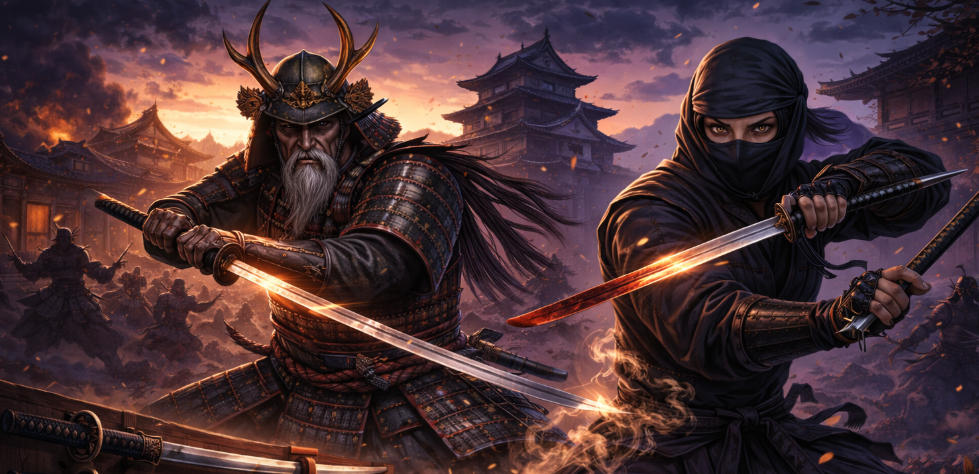
What Made Samurai Katana and Bushido Legendary in Japanese History?
When it comes to Japanese history, no figure is more legendary than the Samurai. Clad in samurai armor and wielding a razor-sharp katana, they embodied honor, loyalty, and the willingness to face death.
For modern enthusiasts, whether drawn by samurai anime or fascinated by the craftsmanship of authentic Japanese swords, a common question arises: 'Do samurai still exist?'
Today, CoolKatana takes you back to the Edo Period, unveiling the mysteries of the way of the samurai (Bushido).
1. Defining the Samurai: History and Spirit
What was a samurai? Originally, they served as armed retainers for nobility. Over time, they evolved into Japan’s ruling warrior class.
Samurai Code of Honor
The heart of this class was the Bushido Code:
-
Core Principles: Samurai were expected to face death without fear and remain utterly loyal.
-
Seven Virtues of Bushido: Justice, Courage, Benevolence, Respect, Honesty, Honor, and Loyalty.
-
The Soul of the Sword: They believed their blades were the 'soul of the samurai', far more than mere killing tools.
The Legendary Black Samurai: Yasuke
Samurai weren’t exclusively Japanese. Black Samurai Yasuke, a retainer of Oda Nobunaga, broke racial boundaries and became a symbol in modern Black sword studies.

2. The Art of Death: Samurai Weapons and Gear
Samurai weapons were far more than simple swords. For a samurai warrior, armor and arms were both offense and defense—his second life.
Anatomy of the Katana
To understand a true katana, one must examine its key parts:
-
Daisho (大小): A symbol of status. Samurai often carried two swords—long Katana for open battle, short Wakizashi for indoor combat or ritual suicide.
-
Tsuka (Hilt): Wrapped in Samegawa (ray skin) and cord for grip.
-
Saya (Scabbard): Protects the blade and enables quick draws in Iaido.
-
Bonji: Some blades feature Sanskrit inscriptions, symbolizing the warrior’s faith in divine protection.
Armor and Mask: The Mobile Fortress
Samurai armor (Yoroi) was engineering marvel, blending lacquer, iron, and silk:
-
Kabuto (Helmet): Signaled rank, often with large Maedate like antlers or family crests for battlefield recognition.
-
Mempo (Oni Mask): Scary face masks designed to protect and intimidate, sometimes with fake beards.
-
No Shields: Samurai rarely used hand-held shields, relying instead on O-sode (large shoulder guards) and offensive sword techniques for defense.
3. Fated Rivals: Samurai vs Ninja
The Samurai vs Ninja rivalry represents two distinct philosophies:
-
Samurai: Followed Bushido, valuing honor, loyalty, and direct combat. They publicly carried swords and served lords, proving worth through courage and skill.
-
Ninja: Represented stealth, espionage, assassination, and sabotage, using Ninjutsu, terrain, and psychological tactics.
-
Overlap: In reality, especially during the Edo period, many ninja held samurai status and were employed by the shogunate for covert missions.
Ultimately, the divide is not about strength but the balance of visible power and hidden intelligence.
4. The End of an Era: Edo and Meiji
Edo Period (1603–1867): The golden age and twilight of the samurai.
-
Peace & Bureaucracy: Samurai gradually transitioned from warriors with katanas to administrators.
-
Abolition: The Haitorei decree of 1868 officially ended the samurai class, though their spirit persisted in literature and vintage Japanese dolls.
5. Modern Legacy: Collecting and Cosplay
Although real samurai no longer exist, the culture, aesthetics, and weaponry remain vibrant today.
Sword Collecting
Searching for 'samurai sword for sale' is now about history and craftsmanship, not just appearance. Authentic blades carry tradition:
-
Display: Use katana stands or wall mounts for safety and aesthetic impact.
-
Cultural Novelties: Samurai motifs appear in katana umbrellas, miniatures, and themed merchandise, offering playful ways to engage with the culture.
Pop Culture
Samurai spirit thrives in media and trends:
-
Anime: Classics like Rurouni Kenshin emphasize the “no-kill sword,” while Gintama humorously reinterprets samurai values.
-
Cosplay: Samurai costumes, paired with Oni masks, retain traditional aesthetics with visual impact.
-
Modern Adaptations: Models like Samurai Gundam fuse armor and mecha culture, attracting young fans and collectors.
From swords to cosplay, from traditional craft to anime, samurai culture continues to inspire, preserving the spirit and aesthetics of the Samurai era.
Hand Forged Blue Japanese Samurai Katana Sword Folded Steel Blade Iron Tsuba

6. Conclusion
From the glory of the Edo Period to the legend of the Black Samurai, the story of the samurai endures.
At CoolKatana, we honor this craftsmanship. Whether seeking a battle-ready katana or a complete samurai outfit, we help you connect with the legacy of that era.
Draw your sword, awaken the samurai spirit within!

