


The Legendary Ninja Sword: History, Stealth, Craftsmanship & Culture
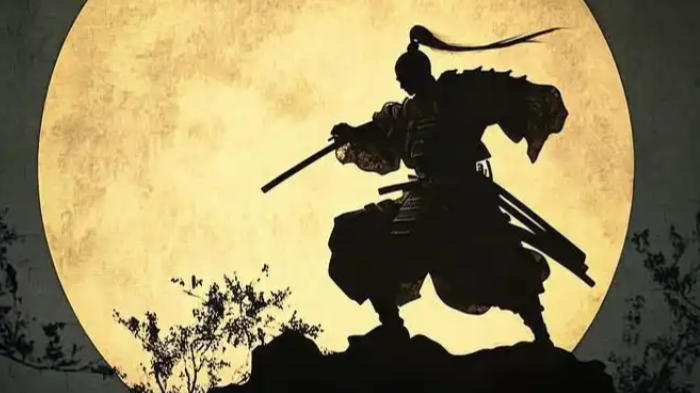
Why Is the Ninja Sword So Unique and Different from Other Japanese Blades?
Ninjas (Ninja) are a mysterious and legendary presence in Japanese history, known for their stealth, agility, and precision. For ninja sword enthusiasts (Ninja Sword Collectors) and anime fans, ninjas are not just characters in movies and comics—they also symbolize Japanese samurai culture and specialized tactical intelligence.
The ninja sword (Ninjato / Ninja Sword), an essential tool of the ninja, embodies their survival skills, tactical abilities, and historical-cultural background. Each ninja katana is not merely a weapon but also an extension of history and spirit.
What does 'ninja' mean?
The term 'Ninja (忍者)' in Chinese usually translates to '忍者', referring to a class of Japanese historical warriors or agents who specialized in stealth, espionage, assassination, and special tactical missions.
Its specific meanings include:
-
Stealth Operatives: Ninjas are renowned for their ability to move unseen, conduct reconnaissance, and complete missions without being detected.
-
Spies and Intelligence Gatherers: Ninjas infiltrated enemy territories to gather strategic information, providing an advantage for their lords or armies.
-
Assassins and Tactical Specialists: Ninjas were skilled in the use of hidden weapons, ninja techniques, and combat strategies for sabotage, assassination, or rapid neutralization of enemies.
-
Cultural Symbol: In modern times, ninjas are not only historical figures but also represent mystery, agility, and intelligence in anime, films, and games.
In short, ninjas are specialized warriors or spies centered on stealth, agility, and intelligence.
Origins and History of Ninjas
Ninjas originated during Japan's Sengoku Period, roughly the 15th to 17th centuries. At that time, warlords (Daimyo) across Japan trained secret agents to protect their territories and gather intelligence—these agents were the prototypes of ninjas.
Duties and Life of Ninjas
Historically called secret warriors (Shinobi), ninjas did not fight openly like samurai but excelled in stealth, intelligence, and precision. Their responsibilities included reconnaissance, espionage, assassination, and strategic sabotage, making them the most mysterious and dangerous figures of the Sengoku era.

1. Espionage and Intelligence Gathering
The primary mission of ninjas was gathering enemy intelligence (Espionage / Intelligence Gathering). They infiltrated enemy territories to collect information on castle defenses, troop numbers, and tactical plans.
To accomplish this, ninjas mastered stealth techniques and disguise skills: dressing as commoners, using night cover, and taking advantage of terrain to remain undetected. Their weapons, including the ninjato / ninja sword and shuriken / throwing stars, were not only for self-defense but also for quickly neutralizing targets to ensure mission success.
2. Assassination and Tactical Sabotage
Ninjas were also assassins and saboteurs (Assassin / Saboteur). They carried out high-risk missions such as eliminating enemy commanders, destroying supplies, setting fires, or sabotaging fortifications.
To achieve swift and effective results without leaving traces, ninjas mastered various tools and weapons:
-
Ninjato (Ninja Sword): A short, straight blade ideal for stealth, close combat, and easy concealment. Compared to traditional samurai swords, the ninjato is lighter and designed for rapid drawing and silent operations.
-
Shuriken (Throwing Stars): Ranged weapons used to distract enemies, create chaos, or incapacitate targets.
-
Rope and Climbing Hooks (Kaginawa): Tools for scaling walls, infiltrating enemy bases, or escaping obstacles.
-
Throwing Darts and Smoke Bombs: Used to obscure vision or provide cover for retreat.
These tools emphasize portability, lightness, and efficiency (Portable & Efficient Ninja Weapons), reflecting the core principle of stealthy ninja operations.
3. Daily Training and Lifestyle
Ninjas led disciplined daily lives, training in weapons, combat, natural navigation, climbing, stealth, and survival skills. Training included:
-
Physical Conditioning: Climbing, running, swimming, and stealth movement.
-
Weapon Mastery: Throwing shuriken, sword fighting, rope usage, and smoke deployment.
-
Strategy and Mental Conditioning: Analyzing enemies, planning actions, controlling fear, and maintaining calm under pressure.
Their lifestyle was not only tactical but also a practice in wisdom, patience, and discipline. Ninjas needed to remain composed in darkness, knowing when to strike and when to retreat, merging strength with intelligence.
4. Importance of the Ninja Sword
The ninja sword was more than a weapon; it symbolized a ninja’s identity and survival. Its lightweight, straight blade design allowed for rapid drawing and concealment in the waist or clothing.
During espionage or assassination missions, the ninja sword’s concealability and quick-draw capability were crucial for success. It embodies the stealth and agility (Stealth & Agility) of the ninja while representing their intelligence and strategic thinking.
Ninja Training and Skills
Ninja training was rigorous and comprehensive, covering not only swordsmanship and combat skills but also:
-
Ninjutsu: Skills in stealth, infiltration, and espionage.
-
Reconnaissance and Intelligence Gathering: Observing and disguising oneself to collect enemy information.
-
Survival Skills: Wilderness survival, escape techniques, and anti-tracking tactics.
This intense training made ninjas the most formidable and mysterious tactical units of the Sengoku era, establishing their unique role in Japanese history.
Cultural Symbolism of the Ninja Sword
The ninja sword is not merely a tool of combat; it carries deep cultural significance and symbolic value:
-
Combination of Strength and Wisdom: Lightweight and sharp, the ninja sword represents the ninja’s agility and intelligence.
-
Stealth and Discipline: Kept close to the body, the sword symbolizes the ninja’s restraint and patience.
-
Historical Stories and Legacy: Each ninja sword carries legendary stories and historical tales, adding unique value for collectors.
As a result, the ninja sword has become a must-have for modern Ninja Sword Collection enthusiasts and COSPLAY players.

Influence of Ninja Swords in Modern Anime and Film
With the global spread of Japanese ninja culture, the ninja sword (Ninjato / Ninja Sword) has become more than a historical artifact—it is now an essential element in modern anime, films, and games. From the classic manga Naruto to action movies like Ninja Assassin, as well as numerous ninja-themed games, the ninja sword symbolizes courage, intelligence, and mystery, deeply influencing modern fan culture.
1. Ninja Sword as a Character’s Signature Weapon
In contemporary anime and films, the ninja sword is not just a weapon but also a symbol of identity and personality.
-
In Naruto, the ninja sword is a signature weapon for main characters and key ninja figures, with each draw and strike conveying determination and perseverance.
-
In Ninja Assassin, the protagonist executes complex assassinations with the ninja sword, showcasing precision and lethality, while emphasizing the ninja’s mystery and superior combat skills.
The sword’s unique design—short, straight, easy to conceal, and quick to draw—perfectly complements the character’s agility and stealth, making it a visual and narrative focal point.
2. Anime and Film Reinforce the Ninja Image
Modern works highlight not only the power of the ninja sword but also the unique culture and spirit of ninjas:
-
Stealth & Agility: Represents the ability to move unseen and strike unexpectedly.
-
Intelligence & Tactics: Effective sword use depends on strategy, timing, and precision rather than brute strength.
-
Courage & Loyalty: Drawing the sword and fighting conveys dedication to mission and principle.
This visualization and dramatization have made the ninja sword a central element of fan culture, enhancing the allure and mystique of ninjas for modern audiences.
3. Ninja Sword Cosplay and Collecting Trends
As ninja culture has grown in popularity, Ninja Sword Cosplay and Ninja Sword Collection have become hot trends among fans.
-
Fans use high-quality handmade ninja swords (Handmade Ninja Sword) or anime replica swords to recreate iconic battle scenes.
-
Cosplayers can wield ninja swords with full ninja attire (Ninja Costume / Shinobi Outfit) at conventions, performances, or photoshoots, experiencing the character’s movements and aura.
-
Collectors appreciate various styles, including traditional Ninjato, decorative swords, or anime replicas, enjoying both craftsmanship and the symbolic meaning of ninja spirit.
Modern ninja sword culture has transcended historical and practical use, becoming a shared cultural symbol for anime fans, film enthusiasts, and martial arts collectors. Whether displayed at home or used in cosplay, each ninja sword embodies wisdom, courage, and mystery.
Hand Forged Japanese Ninjato Sword Product Introduction
The Hand Forged Japanese Ninjato Sword is a high-quality replica that faithfully recreates the traditional ninja sword design, combining Japanese Sword Craftsmanship with modern forging techniques. It is ideal for collecting, display, and COSPLAY.
1. Blade Material: Folded Steel Construction
The blade is made from high-grade folded steel, hand-forged through repeated hammering and quenching to create a tight metal structure with both hardness and flexibility.
-
The straight blade design aligns with traditional Ninjato specifications, allowing quick drawing and agile handling.
-
The full tang blade ensures strength and stability, providing a solid grip and smooth maneuverability.
2. Traditional Craftsmanship and Detail
Each sword is handmade by experienced swordsmiths, with meticulous attention to details such as the saya (scabbard), tsuka (handle), and tsuba (guard):
-
Tsuka features traditional Tsuka Ito Wrapping, providing a comfortable and secure grip for extended use.
-
Saya is lightweight, durable, and protects the blade while allowing quick draws.
-
The blade is finely polished to reveal the natural luster and unique folded steel patterns, balancing practicality and aesthetics.

The Continuation of Ninja Culture
Ninjas are not merely historical figures—they are cultural symbols:
-
Courage & Wisdom: Staying calm under danger and utilizing environment and tools effectively.
-
Discipline & Patience: The sword remains sheathed, reflecting inner cultivation.
-
Legendary Stories: Historical and mythical tales enrich modern anime, films, and collectibles with depth and narrative.
Modern collectors can feel the continuation of history and legend through owning a ninja sword.
Conclusion: Holding the Edge of History
The ninja sword is more than a weapon—it is a fusion of history, culture, and spirit.
For Ninja Sword Collectors, anime fans, COSPLAY enthusiasts, or history lovers, owning a ninja sword offers a tangible connection to the mysterious power and intelligence of the Sengoku era.
Handmade Ninja Sword / Ninjato Replica—held in your hand, it is not just a weapon but an extension of history and culture, allowing every ninja culture enthusiast to experience the true spirit of the ninja.

