


Toyotomi Clan Red Samurai Armor: History, Design & Bushido Spirit
- โพสต์โดย COOLKATANA
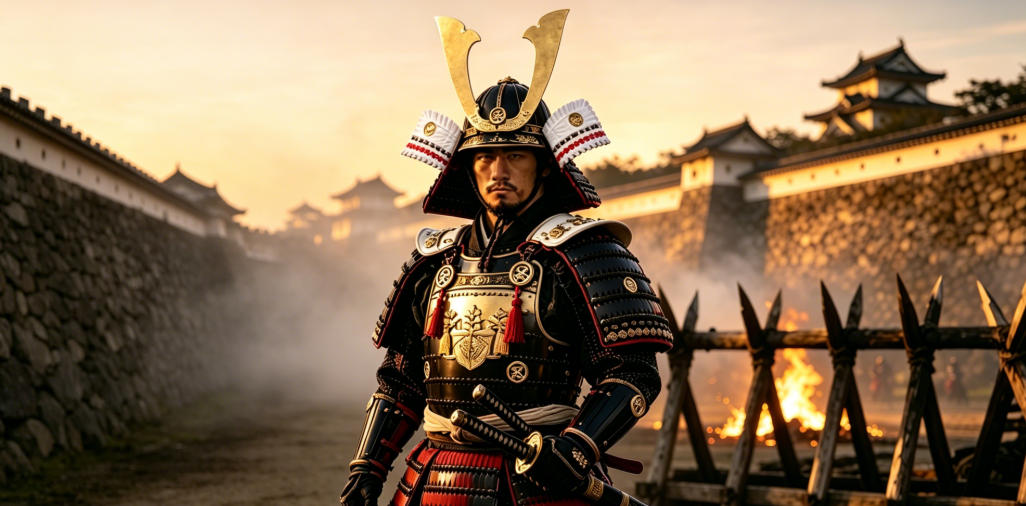
What Is Toyotomi Clan Red Samurai Armor and Why Does It Represent Samurai Honor?
In Japanese history, the Sengoku Period (Warring States Era) was a time filled with warfare, political struggles, and legendary warriors. Countless samurai fought to unify Japan, protect their clans, and pursue their ambitions. Among the most influential figures of this era was Toyotomi Hideyoshi.
As one of Japan’s three great unifiers, Toyotomi Hideyoshi rose from a humble foot soldier to become one of the most powerful rulers in Japanese history through his exceptional military skills and political intelligence. The Toyotomi Clan he established not only changed the course of Japanese history but also left behind a rich legacy of samurai culture.
The iconic Toyotomi Clan Red Samurai Armor represents more than a beautiful piece of Japanese warrior equipment. It symbolizes the strength, loyalty, and honor of samurai warriors during the Sengoku era.
With its vivid red armor, powerful Samurai Helmet, elegant clan symbols, and traditional Japanese armor craftsmanship, this armor reflects the spirit and prestige of Toyotomi-era warriors.
Today, Japanese Samurai Armor inspired by the Toyotomi Clan has become a highly valued collectible among historical enthusiasts, Japanese culture lovers, and samurai armor collectors around the world.
Who Was the Toyotomi Clan? One of the Most Powerful Samurai Families of the Sengoku Era
The Toyotomi Clan was one of the most important political forces during the final stage of Japan’s Sengoku Period.
The rise of the Toyotomi Clan was closely connected with Toyotomi Hideyoshi.
Born into a humble farming family, Toyotomi Hideyoshi began his career under Oda Nobunaga, rising from a low-ranking soldier through his sharp judgment, organizational ability, and outstanding military talent. Over time, he became one of Nobunaga’s most trusted retainers.
After Oda Nobunaga’s death, Hideyoshi rapidly expanded his influence and eventually achieved the unification of most of Japan.
His major achievements included:
- Leading the unification of Japan after decades of warfare
- Establishing the Toyotomi government
- Reforming Japanese social and political systems
- Strengthening control over the samurai class
- Building Osaka Castle
Although Toyotomi Hideyoshi did not create a dynasty that lasted for centuries like the Tokugawa Shogunate, his impact on Japanese history remains enormous.
The Historical Meaning of Toyotomi Clan Red Samurai Armor
In Japanese samurai culture, Samurai Armor was not simply a piece of battlefield protection. It was also a symbol of identity, status, and honor.
For warriors of the Sengoku era, armor represented:
- Clan honor
- Samurai status
- Warrior strength
- Loyalty
- Bushido Spirit
During the Sengoku Period, powerful samurai commanders often owned specially designed armor that displayed their identity through colors, decorations, and helmet designs.
The Toyotomi Clan Red Samurai Armor reflects the powerful image and commanding presence of the Toyotomi army during Japan’s age of warfare.

Why Did Toyotomi Samurai Armor Use Red?
Red held a very special meaning in Japanese samurai culture.
During the Sengoku era, red traditionally represented:
- Bravery
- Passion
- Warrior spirit
- Victory determination
- Power and authority
Red armor made warriors more recognizable on the battlefield and helped inspire confidence among their troops.
In Japanese history, the famous Akazonae (Red Armor Troops) were elite samurai units known for their red equipment.
These red-armored warriors represented:
'Fearless warriors who advance without hesitation, even in the face of death.'
Therefore, the Toyotomi Clan Red Samurai Armor was not only a color choice but also a symbol of the Toyotomi warriors’ pursuit of honor and victory.
Toyotomi Hideyoshi and Osaka Castle: The Symbol of the Toyotomi Era
One of the greatest symbols of the Toyotomi Clan was the legendary:
Osaka Castle
Osaka Castle was not only a symbol of Toyotomi Hideyoshi’s power but also one of the most important historical locations of the Sengoku era.
Construction began in 1583, as Hideyoshi aimed to create a powerful political center for Japan.
Osaka Castle featured:
- Strong defensive systems
- Massive stone walls
- Luxurious architecture
- Extensive golden decorations
It represented the wealth and authority of the Toyotomi era.
However, after Hideyoshi’s death, tensions between the Toyotomi and Tokugawa families continued to grow, eventually leading to the:
Siege of Osaka
The Siege of Osaka: The Final Glory of the Toyotomi Clan
The Siege of Osaka (1614–1615) was one of the most famous conflicts in Japanese history.
At that time, the Tokugawa Shogunate established by Tokugawa Ieyasu was strengthening its control over Japan, while the Toyotomi Clan remained the final major challenge to Tokugawa authority.
During the Winter and Summer Campaigns of Osaka, the Toyotomi forces were heavily outnumbered but gathered many loyal samurai warriors.
Among the legendary warriors who fought for the Toyotomi cause were:
- Sanada Yukimura
- Mori Katsunaga
- Gotō Mototsugu
They fought to protect the honor and legacy of the Toyotomi Clan.
Although the Toyotomi family was ultimately defeated, their loyalty and courage became an important symbol of Japanese samurai spirit.
Design Features of Toyotomi Clan Samurai Armor
Modern collectible Toyotomi Clan Samurai Armor Replica pieces combine traditional Japanese armor designs with modern craftsmanship.
1. Red Armor Design
The red armor represents the power and prestige of Toyotomi warriors.
Combined with black and gold details, it creates the elegant and powerful appearance of a Sengoku-era commander.
2. Samurai Kabuto Helmet
The helmet is one of the most recognizable parts of Japanese samurai armor.
High-ranking samurai helmets often featured:
- Clan symbols
- Animal designs
- Mythological elements
- Metal decorations
These designs provided protection while also displaying the warrior’s identity and status.
3. Clan Crests and Traditional Decorations
Japanese samurai placed great importance on family symbols.
The Mon Crest displayed on armor represented:
- Bloodline
- Honor
- Loyalty
- Family identity
The famous Five-Seven Paulownia Crest (Paulownia Crest) of the Toyotomi family became one of the most recognizable symbols in Japanese history.
It represented the authority and prestige of the Toyotomi government.

Traditional Craftsmanship of Japanese Samurai Armor
Traditional Japanese armor making was a highly complex art form.
A complete set of Samurai Armor usually included:
Kabuto (Helmet)
Protecting the warrior’s head while displaying rank and identity.
Dō (Chest Armor)
Protecting the central area of the body.
Sode (Shoulder Armor)
Providing additional shoulder protection.
Kote (Arm Armor)
Protecting the arms during combat.
Kusazuri (Skirt Armor)
Protecting the lower body while allowing flexibility and movement.
Traditional armor craftsmanship involved:
- Metal plates
- Leather materials
- Lacquer techniques
- Silk cords
- Handmade engraving
These techniques represent the artistic value of traditional Japanese warrior equipment.
The Modern Collecting Value of Toyotomi Clan Red Samurai Armor
Today, the Toyotomi Clan Red Samurai Armor has become a highly popular theme among Japanese historical collectors.
Collectors appreciate it for several reasons:
1. Rich Historical Background
It connects with:
- Sengoku Period history
- Toyotomi Hideyoshi’s legacy
- Japanese Samurai Culture
- Bushido Philosophy
Making it a historical artwork filled with stories and meaning.
2. Unique Visual Appeal
The red samurai armor creates a powerful presence and is perfect for:
- Home display collections
- Japanese cultural exhibitions
- Historical photography
- Samurai cosplay
- Museum-style displays
3. Traditional Craftsmanship Value
High-quality Japanese Armor Replica pieces do not simply copy the appearance of historical armor. They focus on:
- Authentic details
- Craftsmanship quality
- Historical elements
- Collector experience
Every piece reflects the artistic value of Japanese samurai culture.
Toyotomi Clan Red Samurai Armor and the Spirit of Bushido
The true value of a samurai was not measured only by victories on the battlefield.
For Japanese warriors:
Honor was often more important than life itself.
The Toyotomi Clan Samurai Armor represents:
- Loyalty to one’s lord
- Courage in difficult times
- The determination to protect one’s beliefs
- The spirit of never giving up
These values form the foundation of the Bushido Code.
Handmade Life Size Yoroi,Takeda Clan Red Samurai Armor With Kuro Kuwagata Helmet

Conclusion: Toyotomi Clan Red Samurai Armor — The Eternal Symbol of Sengoku Honor
The Toyotomi Clan Red Samurai Armor is not only a piece of Japanese historical equipment but also a legendary symbol of heroes, warfare, and honor.
From Toyotomi Hideyoshi’s era of unification to the final samurai resistance during the Siege of Osaka, the story of the Toyotomi Clan represents one of the most dramatic chapters in Japanese history.
Today, this red samurai armor continues to represent the core values of Japanese warrior culture:
Bushido Spirit — Honor, Loyalty, Courage, and Unbreakable Determination.

