


Bident-Waffe: Geschichte, Design und Hades-Mythologie in der antiken Kriegsführung
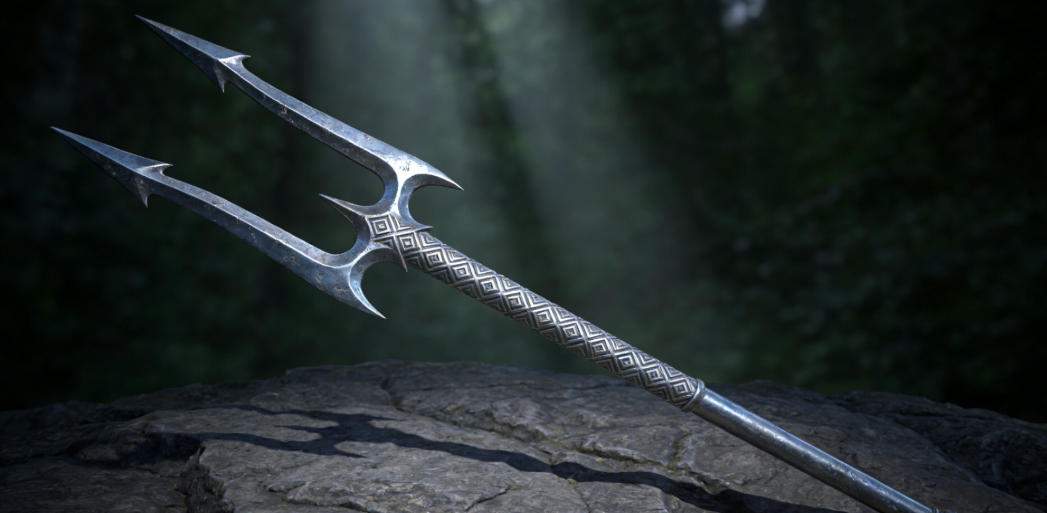
Was ist ein Bident und wie wurde er in Geschichte und Mythologie verwendet?
Im Kontext antiker Waffensysteme ist der Bident eine hoch erkennbare Stangenwaffe. Im Gegensatz zum Dreizack weist der Bident zwei parallele Zinken auf, ein scheinbar einfaches Design, das eine tiefe Spur auf historischen Schlachtfeldern, in der Mythologie und in der modernen Kultur hinterlassen hat. Besonders in der griechischen Mythologie ist der Hades-Bident die charakteristische Waffe des Gottes der Unterwelt, Hades, was den Bident nicht nur zu einer blanken Waffe, sondern auch zu einem tiefgreifenden kulturellen Symbol macht.
Angesichts des steigenden Suchinteresses an Bident-Geschichte, tatsächlicher Bident-Nutzung, der Hades-Bident-Legende, antiken Schlachtfeldwaffen und Waffenentwicklung erforschen immer mehr Waffenliebhaber, Historiker und Kulturfans die Ursprünge, Struktur und symbolische Bedeutung des Bidents.
Was ist ein Bident?
Ein Bident ist eine einzigartige zweizinkige Stangenwaffe, bestehend aus einem stabilen Schaft und zwei parallelen oder leicht gekrümmten Metallzinken. Im Vergleich zum Dreizack hat der Bident eine einfachere Struktur, aber deutliche taktische und kulturelle Vorteile. Sein Name leitet sich vom lateinischen Präfix „bi-“ ab, was „zwei“ bedeutet, und „dent“, was „Zahn“ bedeutet, wörtlich übersetzt „zwei Zähne“ oder „Doppelzinken“, was das prägende Merkmal der Waffe widerspiegelt.
Diese Waffe wird nicht nur zum Stechen von Feinden verwendet, sondern auch zum Einhaken von Schilden, Waffen oder Rüstungen im Nahkampf, um feindliche Formationen zu stören oder Angriffsmöglichkeiten zu schaffen. Dank des Abstands zwischen den Zinken bietet die Bident-Waffe eine größere Flexibilität bei der Kontrolle von Gegnern als herkömmliche Speere oder einzinkige Waffen.
In der antiken Waffenklassifikation kann der Bident sowohl als Stichwaffe als auch als Hybride zwischen Speer und Stangenwaffe betrachtet werden, effektiv in Infanterie-, Kavallerie- oder Verteidigungsformationen. Seine Verwendung beschränkte sich nicht auf das Schlachtfeld: In der griechisch-römischen Mythologie und bei religiösen Zeremonien symbolisierte der Hades-Bident Autorität, Herrschaft und die geheimnisvolle Macht des Todes. Im Laufe der Geschichte tauchte der Bident auch in rituellen Praktiken, zeremoniellen Darstellungen und als symbolisches Sammlerstück auf.
Insgesamt ist der Bident mit seinem markanten Doppelzinken-Design, seiner Stangenkontrolle und seiner reichen kulturellen Symbolik sowohl eine praktische blanke Waffe als auch eine traditionelle Waffe mit tiefem historischen und künstlerischen Wert. Ob beim Studium antiker Taktiken, mythologischer Symbolik oder moderner kultureller Darstellung, die Bident-Waffe zeigt eine einzigartige taktische und kulturelle Anziehungskraft.

Historische Ursprünge und kulturelle Symbolik des Bidents
Klassische Epoche und griechische Mythologie
In der griechischen Mythologie ist der Hades-Bident die ikonischste Waffe des Gottes der Unterwelt, Hades, im Gegensatz zu Zeus' Blitz und Poseidons Dreizack. Der Mythologie zufolge führt Hades den Bident, um die Unterwelt zu regieren, symbolisierend Macht, Herrschaft, Tod und geheimnisvolle Autorität. Seine einfache und doch imposante Form vermittelt die Kontrolle über das Reich der Toten und unterscheidet ihn visuell von den Dreizacken der Meeres- und Himmelsgötter.
Diese Symbolik erhob den Bident über eine bloße Waffe hinaus und verankerte ihn tief in der griechischen Kultur und künstlerischen Schöpfung. In griechischen Fresken, Skulpturen, Töpferwaren und mythologischen Reliefs wird der Hades-Bident häufig als wesentliches Attribut des Hades dargestellt, das die Macht der Unterwelt und die Unausweichlichkeit des Todes repräsentiert. Künstler nutzten den Bident, um Stärke, Abschreckung und Ordnung zu vermitteln, was die Bident-Waffe sowohl zu einem kulturellen Symbol als auch zu einem religiösen Emblem machte.
Praktische Anwendungen auf dem Schlachtfeld
Jenseits seiner symbolischen Bedeutung wurde der Bident gelegentlich als praktische Waffe im antiken Kampf eingesetzt. Sein zweizinkiges Design bot mehrere taktische Vorteile, die bei herkömmlichen Speeren oder einzinkigen Stangenwaffen nicht verfügbar waren:
-
Stechen und Einhaken: Die beiden scharfen Zinken konnten beim Stoßen feindliche Rüstungen, Waffen oder Kleidung erfassen, was die Kontrolle über das Ziel erhöhte.
-
Verteidigung und Fesseln: Im Formationskampf konnte der Bident feindliche Waffen blockieren oder die Bewegung des Gegners behindern, wodurch sich Angriffsgelegenheiten für Verbündete ergaben.
-
Flexible taktische Nutzung: Im Vergleich zu längeren Speeren ist der Bident besser für den Nahkampf geeignet, ermöglicht schnelle Übergänge zwischen Angriff und Verteidigung, insbesondere in Stammesgefechten, zeremoniellen Schlachten oder kleineren Gefechten.
Historiker stellen fest, dass der Bident zwar in groß angelegten Kriegen seltener als Speere oder Dreizacke verwendet wurde, aber dennoch von Soldaten in spezifischen taktischen und kulturellen Kontexten eingesetzt wurde. Einige griechische Stadtstaaten und Stämme integrierten den Bident in rituelle Trainings oder Nahkampfübungen, wobei sie den praktischen Waffengebrauch mit symbolischer Bedeutung verbanden.
Darüber hinaus macht die Doppelrolle des Hades-Bidents als Symbol der Autorität und als funktionale Waffe ihn zu einem einzigartigen Beispiel antiken Waffendesigns. Er spiegelt Überlegungen zur Stecheffizienz und taktischen Flexibilität wider, während er religiöses, politisches und kulturelles Gewicht trägt und wertvolles Material für spätere künstlerische, mythologische und waffenrekonstruktive Studien liefert.
Zusammenfassend lässt sich sagen, dass der historische Wert des Bidents nicht nur in seiner Praktikabilität liegt, sondern auch in seiner reichen kulturellen Symbolik und seinem mythologischen Kontext, was ihn zu einer einzigartigen Stangenwaffe der klassischen Ära macht. Ob auf antiken Schlachtfeldern, in Stammesritualen oder in mythologischen Darstellungen, die Bident-Waffe verkörpert eine perfekte Mischung aus Stärke, Geschick und symbolischer Bedeutung.
Strukturelles Design und Funktion des Bidents
Doppelzinken-Design
Das prägende Merkmal des Bidents sind seine zwei parallelen Zinken. Dieses Design vergrößert die Stichfläche und ermöglicht das Einhaken und Kontrollieren von Zielen, was ihm einen taktischen Vorteil im Nahkampf verschafft.
Die Zinken sind in der Regel parallel, obwohl einige eine leichte Krümmung aufweisen, die dazu beiträgt, Stöße zu stabilisieren und Bewegungen im Kampf zu kontrollieren.
Stangenstruktur
Die Bident-Stange besteht typischerweise aus robustem Holz oder Metall, mit variierenden Längen je nach Verwendungszweck – kürzere Versionen für Infanteriegefechte, längere Versionen für Kavallerieangriffe oder Verteidigungsformationen. Die Stange verlängert die Angriffsreichweite und verstärkt die Stoßkraft, wodurch Soldaten auf dem Schlachtfeld eine größere Reichweite erhalten.
Balance und Gegengewicht
Zur Verbesserung der Handhabung und Balance verfügen viele Bidens über ein Gegengewicht an der Basis der Stange. Dies verbessert nicht nur die Kontrolle über den Schwung, sondern ermöglicht auch den Einsatz der Stange zum Schlagen oder Fesseln von Gegnern im Nahkampf, was die taktische Vielseitigkeit erhöht.
Taktische Anwendungen im Krieg
Nahkampf-Stich und Kontrolle
Im Nahkampf erleichtert das Doppelzinken-Design des Bidents das Treffen und Kontrollieren der Waffe oder Rüstung eines Gegners, wodurch deren Rhythmus gestört und die Bewegung eingeschränkt wird.
Diese Taktik ist besonders effektiv in beengten Räumen, wie z. B. im Stadtkampf, bei der Festungsverteidigung oder in dichten Infanterieformationen, wo die Haken- und Kontrollfähigkeiten des Bidents von großer Bedeutung sind.

Formationsverteidigung und Anti-Kavallerie
In Infanterieformationen kann der lange Bident Kavallerieangriffe blockieren, feindliche Reiter aus dem Gleichgewicht bringen oder Formationen destabilisieren. Seine größere Reichweite und Zinkensteuerung machen die Bident-Waffe in bestimmten taktischen Szenarien besonders effektiv.
Vergleich mit anderen Stangenwaffen
Bident vs. Dreizack
Der offensichtlichste strukturelle Unterschied zwischen dem Bident und dem Dreizack ist die Anzahl der Zinken. Dreizacke haben drei Zinken, die eine größere Stabilität und Penetration beim Stoßen bieten, während der Bident das Einhaken und Kontrollieren von Zielen betont.
Da Dreizacke häufiger in Seekämpfen, Fischerei und Landwirtschaft verwendet wurden, waren sie im Krieg weiter verbreitet. Der Bident hingegen ist stärker mit kultureller Symbolik und spezifischen taktischen Umgebungen verbunden.
Bident vs. Hellebarde und andere Stangenwaffen
Im Vergleich zu komplexen Hellebarden ist der Bident einfacher, bietet aber dennoch effektive Stich- und Kontrollfähigkeiten in bestimmten Situationen. Im Gegensatz zu Hellebarden, die Axtköpfe und Hammerenden kombinieren, konzentriert sich der Bident ausschließlich auf Stoßtaktiken ohne zusätzliche Hiebfunktion.
Einfluss des Bidents in der modernen Kultur
Heute ist der Bident nicht auf historische Waffenstudien beschränkt; er erscheint häufig in Filmen, Fantasy-Romanen, Videospielen und Anime-Charakterdesigns. Der Hades-Bident wird insbesondere oft als Symbol der Charakteridentität oder Macht verwendet in:
-
Filmen und Dokumentationen zum Thema griechische Mythologie
-
Fantasy-Waffendesigns für Charaktere
-
Ikonischer Ausrüstung in Videospielen
-
Anime- und Comic-Charaktersettings
Sein Doppelzinken-Design hat eine starke visuelle Wiedererkennung, was es zu einer wichtigen Inspirationsquelle für kreative Designs macht.
Warum der Bident Sammler und Enthusiasten anspricht
Für Sammler antiker Waffen, historische Reenactors und Kulturgeschichtsbegeisterte bietet die Bident-Waffe mehrere Reize:
-
Einzigartiges Design: Die Doppelzinkenstruktur ist optisch auffällig und unterscheidet sich von anderen Stangenwaffen.
-
Kulturelle Symbolik: Eng verbunden mit dem Hades-Bident in der griechischen Mythologie, trägt mythologische und religiöse Bedeutung.
-
Taktische Bedeutung: Zeigt die praktische Anwendung antiker taktischer Designs in spezifischen Schlachtfeldkontexten.
-
Medien- und Gaming-Präsenz: Weit verbreitet in der Popkultur, was die Bekanntheit und Attraktivität der Waffe erhöht.
Fazit
Als einzigartige langstielige Stangenwaffe hatte der Bident einen praktischen taktischen Wert auf historischen Schlachtfeldern und hinterließ gleichzeitig tiefe Spuren in Mythologie und Kulturkunst. Ob man die tatsächliche Verwendung der Bident-Waffe oder die symbolische Wirkung des Hades-Bidents erforscht, diese zweizinkige Waffe verkörpert eine Kombination aus kriegerischer Funktionalität und kultureller Bedeutung.
Ob beim Studium antiker Militärgeschichte, der Untersuchung kultureller Symbolik oder dem Sammeln einer fein gearbeiteten zweizinkigen Stangenwaffe, der Bident repräsentiert das einzigartige Verständnis der Menschheit von Macht, Geschicklichkeit und symbolischer Kultur.
Das mythische Design und die antike Symbolik des Hades-Bidents spiegeln seine mächtige Rolle in der griechischen Mythologie und seine Verbindung zum Gott der Unterwelt wider.

