


Oda Clan Black Samurai Armor: Oda Nobunaga Warrior Legacy Explained
- von COOLKATANA
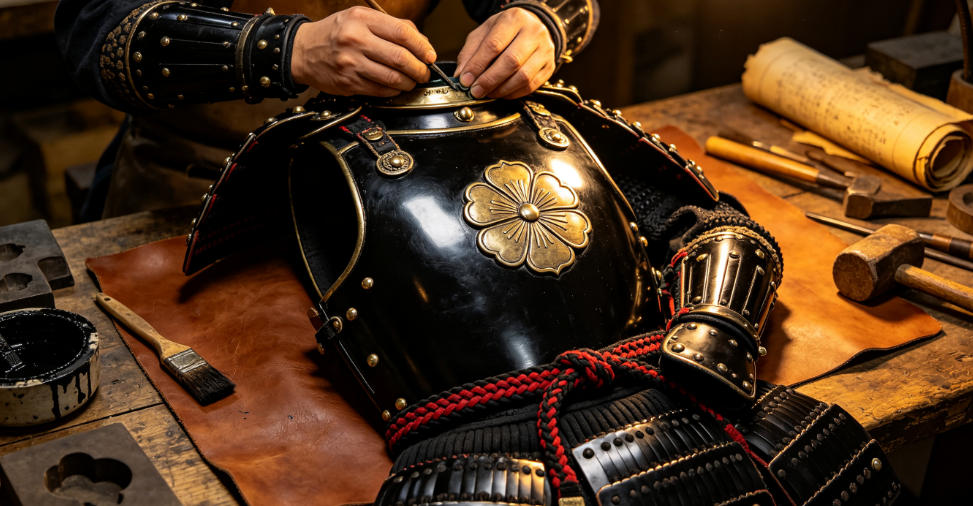
What Makes Oda Clan Black Samurai Armor a Symbol of Oda Nobunaga’s Legacy?
The Story Behind Oda Clan Black Samurai Armor
When people think about legendary Japanese warriors, Oda Nobunaga is one of the most famous names in samurai history. Known as one of the three great unifiers of Japan, Oda Nobunaga was a powerful daimyo whose ambition, military innovation, and fearless leadership changed the course of Japanese history.
The Oda Clan Black Samurai Armor represents the strength, authority, and determination of the Oda family. More than just battlefield protection, this distinctive black samurai armor symbolizes the warrior spirit of the Sengoku period and reflects the power of one of Japan’s most influential clans.
Traditional Japanese samurai armor was designed to balance protection, mobility, and artistic expression. Unlike European medieval armor, which often focused on heavy metal protection such as plate armor and full plate armor, Japanese armor emphasized flexibility through layered construction techniques such as lamellar armor and scale armor.
Today, the Oda Clan Black Samurai Armor remains highly valued by collectors, history enthusiasts, and fans of Japanese culture. A detailed samurai armor set inspired by Oda Nobunaga allows people to experience the appearance and spirit of one of Japan’s greatest warriors.
Who Was Oda Nobunaga? The Warrior Behind the Oda Clan Armor
Oda Nobunaga (1534–1582) was one of the most influential figures in Japanese history. Living during the Sengoku period, an era of constant warfare between competing daimyo, Nobunaga became famous for his military strategies, political reforms, and determination to unify Japan.
Unlike traditional samurai leaders who relied only on conventional warfare, Oda Nobunaga introduced new battlefield strategies and adopted firearms as an important part of his military forces. His innovative approach transformed Japanese warfare and helped establish his reputation as a revolutionary warrior.
The armor associated with the Oda Clan reflects Nobunaga’s unique personality. The black color represented power, mystery, and authority, creating an intimidating appearance on the battlefield.
For collectors interested in Oda Nobunaga samurai armor history, the Oda Clan Black Samurai Armor represents not only a historical warrior outfit but also the ambition and leadership of a legendary Japanese figure.

What Makes Oda Clan Black Samurai Armor Unique?
The design of Oda Clan Black Samurai Armor combines traditional Japanese craftsmanship with powerful visual symbolism. Samurai armor was not created only for defense; it also communicated the warrior’s identity, family background, and social position.
A traditional Japanese samurai armor set usually included:
- Kabuto (helmet)
- Menpo (face mask)
- Do (chest armor)
- Kote (arm protection)
- Haidate (thigh protection)
- Suneate (leg guards)
- Kusazuri (waist armor)
The black finish of the Oda armor gave warriors a strong and commanding appearance. The color black was often associated with discipline, strength, and authority.
Compared with European knight armor, which commonly used large metal plates to protect knights during medieval battles, Japanese samurai armor focused on layered protection and mobility.
Many Japanese armor designs used techniques similar to:
- Lamellar armor – small connected plates creating flexible protection
- Scale armor – overlapping pieces arranged like scales
- Leather armor – lightweight protective materials
- Brigandine armor – layered armor structures combining fabric and metal plates
These methods allowed samurai warriors to remain agile while still receiving effective battlefield protection.
Japanese Samurai Armor vs Medieval Armor
Throughout history, different civilizations developed unique armor systems based on their weapons, environments, and fighting styles.
Japanese Samurai Armor
Traditional Japanese samurai armor focused on mobility and flexibility. Samurai warriors needed protection while using swords, bows, and spears, so their armor was designed to allow quick movement.
Key features included:
- Lightweight construction
- Flexible layered plates
- Decorative helmets
- Clan symbols
- Personalized designs
The Oda Clan Black Samurai Armor is an excellent example of how Japanese armor combined practical protection with artistic identity.
Medieval Armor and Knight Armor
European medieval armor developed differently. Knights relied heavily on metal protection, especially during the later medieval period.
Famous European armor styles included:
- Plate armor
- Full plate armor
- Chainmail armor
- Brigandine armor
Unlike samurai armor, European knight armor often covered larger areas of the body with heavy metal plates designed to resist swords, arrows, and blunt weapons.
Both Japanese samurai armor and European knight armor represent the highest achievements of their respective cultures.
Comparing Samurai Armor with Other Historical Armor Styles
Armor has appeared in many civilizations throughout history. Each culture developed unique designs according to its battlefield requirements.
Roman Armor
Roman armor was designed for disciplined military formations. Roman soldiers commonly used equipment such as segmented armor, shields, helmets, and protective layers that supported organized battlefield tactics.
Greek Armor
Greek armor focused on protecting hoplite warriors. The famous hoplite armor included bronze helmets, shields, breastplates, and greaves designed for close formation combat.
Viking Armor
Viking armor or Norse armor was created for warriors who participated in raids and naval battles. Compared with samurai armor, Viking protection was often simpler, featuring materials such as chainmail, leather, helmets, and shields.
Gladiator Armor
Gladiator armor from ancient Rome was designed for arena combat. Different gladiator classes used different equipment styles, combining protection with dramatic appearance.
Although these armor traditions were very different, they all shared the same purpose: protecting warriors while representing their culture and identity.
The Craftsmanship Behind Oda Clan Black Samurai Armor
Creating authentic samurai armor required the skills of highly trained craftsmen. Armor makers needed knowledge of metalworking, leather production, textile techniques, and decorative arts.
The process involved:
- Designing armor based on battlefield requirements
- Creating protective plates and components
- Connecting pieces with traditional cords
- Adding clan symbols and decorations
- Finishing helmets and armor details
The craftsmanship behind black samurai armor was similar to Japanese sword making. Both required patience, precision, and deep understanding of traditional techniques.
A carefully created samurai armor set is not simply a costume or display piece. It represents centuries of Japanese craftsmanship and warrior tradition.

Oda Clan Black Samurai Armor in Modern Collections
Today, interest in Japanese samurai armor continues to grow worldwide. Collectors, museums, martial artists, and history enthusiasts appreciate these armor pieces because they preserve the legacy of Japan’s warrior culture.
For people searching for black samurai armor for sale, Oda Clan-inspired armor provides a unique opportunity to own a piece of Japanese history and craftsmanship.
Modern samurai armor replicas are popular for:
- Historical collections
- Cultural exhibitions
- Home decoration
- Photography projects
- Cosplay events
- Japanese history displays
Compared with fantasy-inspired fantasy armor, authentic samurai armor designs focus on historical accuracy and traditional aesthetics.
The Oda Clan Black Samurai Armor remains especially popular because it represents one of Japan’s most famous warriors and one of the most powerful clans of the Sengoku era.
Japanese Samurai Armor Set: Experience the Legacy of Ancient Warriors
A Japanese Samurai Armor Set represents more than traditional battlefield protection; it is a symbol of honor, discipline, and the warrior spirit that defined the samurai class for centuries. Inspired by legendary figures such as Oda Nobunaga, these armor sets combine historical design, artistic craftsmanship, and the powerful identity of Japanese warriors.
A complete Japanese Samurai Armor Set typically includes a detailed Kabuto helmet, Menpo face mask, chest armor, shoulder guards, arm protection, waist armor, and leg guards. Each component was carefully designed to provide protection while allowing samurai warriors to maintain flexibility and mobility during combat.
Modern collectors searching for a Japanese Samurai Armor Set often choose pieces inspired by famous clans and historical warriors, such as the Oda Clan. These armor replicas preserve traditional Japanese aesthetics through black lacquer finishes, decorative symbols, layered plates, and detailed craftsmanship.
Compared with European knight armor and medieval armor, Japanese samurai armor features a unique combination of lightweight construction and artistic decoration. Techniques such as lamellar armor and scale armor allowed samurai warriors to balance defense, movement, and battlefield performance.
Today, a Japanese Samurai Armor Set is highly valued by history enthusiasts, collectors, museums, and Japanese culture fans. Whether displayed as a historical collection piece, used for exhibitions, or admired as a symbol of samurai heritage, it continues to showcase the timeless craftsmanship and warrior spirit of feudal Japan.
Handmade Life-Size Yoroi Oda Clan Samurai Armor With Black Kachi Helmet

Conclusion: The Legacy of Oda Clan Black Samurai Armor
The Oda Clan Black Samurai Armor is more than a protective warrior suit. It represents the ambition, strength, and leadership of Oda Nobunaga, one of Japan’s greatest historical figures.
From the detailed craftsmanship of traditional Japanese samurai armor to comparisons with medieval armor, knight armor, viking armor, and other historical protection styles, samurai armor remains one of the most fascinating examples of warrior equipment in history.
For collectors searching for a unique samurai armor set, history enthusiasts exploring Japanese culture, or anyone inspired by legendary warriors, the Oda Clan Black Samurai Armor continues to preserve the powerful spirit of the samurai.

