


Ein O-Kissaki kann nicht perfekt mit doppelten Hohlkehlen in einem Katana nach Maß koexistieren
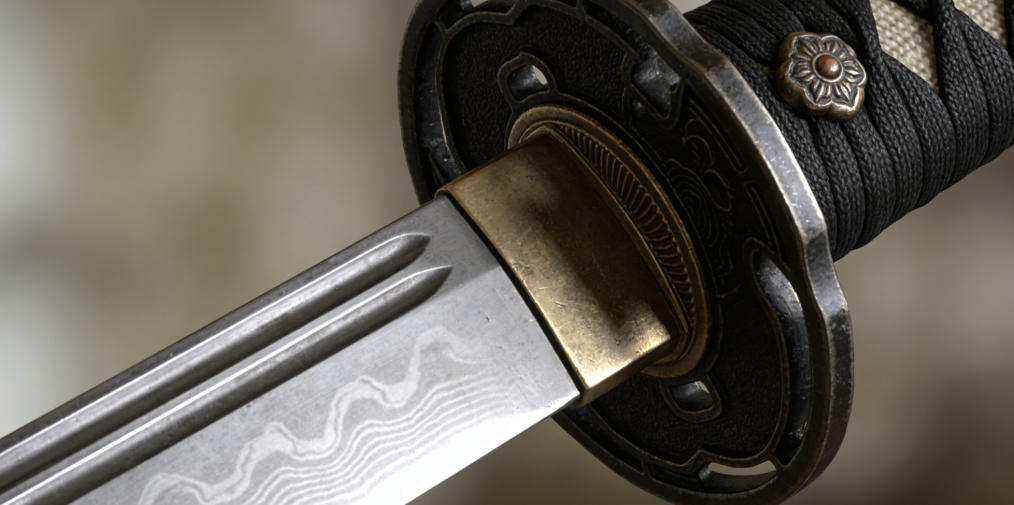
Warum O-Kissaki und Double Fullers in Custom Katana nicht zusammenpassen?
Bei der Custom Katana / Katana Anpassung versuchen viele Enthusiasten, mehrere fortgeschrittene Techniken in einem einzigen Schwert zu kombinieren, wie z.B. O-Kissaki (lange Spitze) und Bo-Hi + Soe Naginata-Hi (Doppel-Hohlkehlen Katana Struktur). In der tatsächlichen Schmiedearbeit führen diese Kombinationen jedoch oft zu strukturellen Konflikten (japanische Schwertstruktur) und handwerklichen Widersprüchen.
Dieser Artikel untersucht, warum bestimmte Designs nicht perfekt koexistieren können, und zwar aus den Perspektiven der Schwertstruktur (japanische Schwertstruktur), Geometrie (Katana Geometrie), Balance (Katana Balance) und traditionellen Schmiedestandards (traditionelle Katana Schmiedekunst / Katana Handwerkskunst).
1. Was ist O-Kissaki (lange Spitze)?
O-Kissaki (lange Spitze / O-Kissaki) bezeichnet eine Katana-Spitze, die länger und größer ist als die Standardspitze. In der japanischen Schwertkunst betont sie die Durchdringungsfähigkeit und die optische Wirkung. Im Vergleich zu Standardspitzen (Chu-Kissaki oder Ko-Kissaki) hat O-Kissaki eine deutlich verlängerte Spitze, die eine größere Penetration und Schneidkraft bietet. Dieses Design verbessert sowohl die Kampfleistung (kampftaugliches Katana) als auch die ästhetische Präsenz und verkörpert die Philosophie der japanischen Schwerter "Form und Geist in Harmonie".
O-Kissaki erfordert eine präzise Katana-Geometrie, einschließlich Spitzenlänge, Spitzendicke, Rückenlinie und Krümmung. Ohne sorgfältige Berechnung von Klingenstärke und Balance (Katana-Balance) kann die verlängerte Spitze bei Schnitt- oder Stichbewegungen Spannungen konzentrieren und das Risiko von Beschädigungen erhöhen.
Aus gestalterischer Sicht (Samuraischwert-Design) muss O-Kissaki die visuellen Proportionen zum Rest der Klinge beibehalten und eine glatte, fließende Linie vom Griff zur Spitze gewährleisten. Dies spiegelt die Philosophie "Funktion als Schönheit" in der traditionellen Handwerkskunst wider (Katana-Handwerkskunst / traditionelle Katana-Schmiedekunst).
In der modernen Custom Katana / Katana-Anpassung ist O-Kissaki bei hochwertigen kampftauglichen und Sammlerschwertern beliebt (kampftaugliches Katana). Sein einzigartiges Spitzendesign verbessert sowohl das Schneiden als auch das Stechen und arbeitet mit Bo-Hi / Katana-Hohlkehlen zusammen, um das Klingengewicht und die Balance (Katana-Balance) zu optimieren und eine Kombination aus Funktion und Kunstfertigkeit zu erreichen (funktionales Katana-Design / Samuraischwert-Design).
Insgesamt stellt O-Kissaki eines der optisch auffälligsten und funktional potentesten Spitzendesigns in japanischen Schwertern dar, das sowohl für die traditionelle Handwerkskunst als auch für moderne High-End-Custom-Katana von zentraler Bedeutung ist.

2. Was sind Bo-Hi und Soe Naginata-Hi Doppel-Hohlkehlen?
Bei der Custom Katana / Katana Anpassung sind die Klingenrillen (Katana-Hohlkehlen / Bo-Hi) nicht nur dekorativ; sie sind kritische strukturelle und funktionale Elemente. Ein korrektes Hohlkehlendesign reduziert das Klingengewicht, verbessert die Handhabung und erhält die Katana-Balance und die Katana-Klingenstärke.
Das Design der Hohlkehlen zeigt die Fähigkeiten eines Schwertschmieds (Katana-Handwerkskunst / traditionelle Katana-Schmiedekunst) und ist sowohl bei kampftauglichen als auch bei Sammlerschwertern von entscheidender Bedeutung (kampftaugliches Katana).
1. Bo-Hi (Haupthohlkehle / Bo-Hi)
Die Bo-Hi ist die primäre zentrale Rille, die typischerweise entlang der Klingenmittellinie verläuft. Ihre Funktionen umfassen:
- Reduzierung des Klingengewichts: Bo-Hi erleichtert die Klinge, während die Spitzenstärke erhalten bleibt (Katana-Klingenstärke).
- Optimierung der Balance: Passt die Katana-Balance für Präzision und Kontrolle an.
- Verbesserung der Handhabung: Weniger Trägheit bei Schwüngen sorgt für sanfteres Schneiden und Stechen (funktionales Katana-Design).
- Verbesserung der Ästhetik: Bo-Hi verlängert die visuelle Linie der Klinge (Samuraischwert-Design).
2. Soe Naginata-Hi (Sekundäre Hohlkehle / Soe Naginata-Hi)
Soe Naginata-Hi ist eine sekundäre Rille neben der Haupt-Bo-Hi, inspiriert von traditionellen Naginata. Ihre Vorteile umfassen:
- Hinzufügen visueller Tiefe: Erzeugt ein geschichtetes, dimensionales Aussehen (Katana-Handwerkskunst).
- Unterstützung der Balance: Hilft, das Gewicht entlang der Klinge zu verteilen (Katana-Balance) für effiziente Schnitte (funktionales Katana-Design).
- Erhöhung des Sammlerwertes: Wird in hochwertigen Custom- oder Ausstellungsschwertern verwendet (Samuraischwert-Design / traditionelle Katana-Schmiedekunst).
3. Vorteile von Doppel-Hohlkehlen (Doppel-Hohlkehlen Katana)
Die Kombination von Bo-Hi und Soe Naginata-Hi schafft ein Doppel-Hohlkehlen Katana, das Ästhetik mit Funktionalität verbindet:
- Leicht und doch stark: Reduziert das Gewicht, während die Klinge steif bleibt (Katana-Klingenstärke).
- Optimierte Balance: Verbessert die Katana-Balance und Handhabung.
- Zeigt Handwerkskunst: Hebt die Fähigkeiten des Schwertschmieds hervor (Katana-Handwerkskunst / traditionelle Katana-Schmiedekunst).
- Kampftaugliche Funktionalität: Auch Sammlerschwerter behalten eine effektive Schneide- und Stoßleistung bei (funktionales Katana-Design / kampftaugliches Katana).
Das Doppel-Hohlkehlen-Design spiegelt die Weisheit des japanischen Schwertes wider und gleicht die Bedürfnisse moderner Sammler mit traditionellen Klingenproportionen (Katana-Geometrie), Stärke (Katana-Klingenstärke) und Balance (Katana-Balance) aus.

3. Kernkonflikt: Strukturelle und proportionale Widersprüche
Bei der Custom Katana / Katana Anpassung können theoretisch O-Kissaki und Doppel-Hohlkehlen Katana / Bo-Hi + Soe Naginata-Hi koexistieren, aber in der Praxis entstehen mehrere Konflikte im funktionalen Katana-Design, die die Klingenstärke, Geometrie und Balance beeinträchtigen.
1. Reduzierte Spitzenstärke (Katana-Klingenstärke)
O-Kissaki verlängert die Spitze für verbesserte Durchdringung (kampftaugliches Katana). Das Hinzufügen langer Bo-Hi- und Soe Naginata-Hi-Rillen birgt strukturelle Risiken:
- Dünneres Spitzenmetall: Rillen entfernen Material und schwächen die Spitze.
- Geringere Stoßfestigkeit: Konzentrierte Spannung erhöht das Schadenspotenzial.
- Höheres Bruchrisiko: Die Klingenspitze kann beim Schneiden oder Stoßen reißen oder sich verbiegen.
Daher müssen Designer die visuelle Wirkung mit der strukturellen Integrität in Einklang bringen (Katana-Klingenstärke / funktionales Katana-Design / kampftaugliches Katana).
2. Unausgewogene Klingen-Geometrie (Katana-Geometrie)
Die Ästhetik japanischer Schwerter hängt von strengen geometrischen Regeln ab:
- Spitzenlänge im Verhältnis zur Klingenlänge
- Ausrichtung von Rücken, Klingenrücken und Hohlkehle
- Allmähliche Verjüngung der Klingenstärke
Wenn O-Kissaki mit Soe Naginata-Hi koexistiert, können die Rillen nicht natürlich zur Spitze übergehen:
- Stört die Spitzenproportion (Samuraischwert-Design)
- Verändert die Klingen-Silhouette: Längere Spitze mit Doppelhohlkehlen kann wuchtig wirken
- Bricht die Geometrie (Katana-Geometrie)
Dies beeinflusst sowohl die Ästhetik als auch die Funktionalität (Katana-Klingenstärke / funktionales Katana-Design).
3. Probleme mit Balance und Handhabung (Katana-Balance)
Die Leistung der Klinge hängt stark von der Gewichtsverteilung ab:
- Hohlkehlen reduzieren das Gewicht: Verlagert den Schwerpunkt nach hinten.
- O-Kissaki fügt Vorwärtsgewicht hinzu: Die Spitze wird schwerer.
Kombiniert kann dies zu Folgendem führen:
- Instabile Handhabung: Schwierige Kontrolle bei schnellen Schnitten oder Stößen
- Ungleichmäßige Kraftverteilung: Erhöhte Ermüdung
- Höhere Schwierigkeit für präzise Bewegungen (funktionales Katana-Design / kampftaugliches Katana)
Schwertschmiede müssen Spitzenlänge, Hohlkehlenplatzierung, Klingen-Geometrie und Balance berücksichtigen, um sowohl Funktionalität als auch Ästhetik zu gewährleisten (Samuraischwert-Design / Katana-Handwerkskunst).
4. Lösungen der Schwertschmiede: Beibehaltung von Bo-Hi und Optimierung der Struktur
Um die Konflikte zwischen O-Kissaki und Doppel-Hohlkehlen Katana zu lösen, treffen erfahrene Schwertschmiede fundierte Entscheidungen, die auf Katana-Geometrie, Katana-Klingenstärke und Katana-Balance basieren:
- Beibehaltung von Bo-Hi (Haupthohlkehle / Bo-Hi): Kernstruktur-Rille, die das Gewicht reduziert, die Handhabung optimiert und die Klingenstärke erhält.
- Entfernen oder Anpassen von Soe Naginata-Hi: Verkürzt oder neu positioniert, um Spitzenschwäche zu vermeiden und gleichzeitig die visuelle Tiefe zu erhalten.
- Optimierung der Hohlkehlenlänge und -enden (Katana-Hohlkehlen): Gewährleistet eine leichte und dennoch starke Klinge mit einer haltbaren Spitze und einem ausgewogenen Gefühl.
Vorteile sind:
- Erhält die Spitzenstärke (Katana-Klingenstärke)
- Bewahrt die Balance (Katana-Balance) für reibungslose Kontrolle
- Entspricht traditionellen Proportionen (traditionelle Katana-Schmiedekunst / Katana-Handwerkskunst)
- Verbessert die Benutzerfreundlichkeit und Haltbarkeit (funktionales Katana-Design / kampftaugliches Katana)
Dieser Kompromiss spiegelt das präzise Gleichgewicht zwischen Ästhetik, Mechanik und Funktionalität wider und verkörpert die Philosophie "Funktion als Schönheit" der japanischen Schwertkunst.
5. Warum traditionelles Handwerk respektiert werden muss
Bei der modernen Custom Katana / Katana-Anpassung bevorzugen einige Benutzer eine vielschichtige visuelle Komplexität gegenüber der strukturellen Integrität. Ein überlegenes japanisches Schwert vereint Struktur, Funktion und Schönheit (Samuraischwert-Design / japanische Schwertstruktur / Katana-Handwerkskunst):
- Jahrhunderte der Kampferfahrung (kampftaugliches Katana) bestätigen Klingendesign, Spitzenlänge, Dicke und Hohlkehlenlayout.
- Strenge Geometrie und Balance (Katana-Geometrie / Katana-Balance) gewährleisten eine stabile Leistung bei schnellen Schwüngen und Stößen.
- Funktion als Ästhetik (Katana-Handwerkskunst / traditionelle Katana-Schmiedekunst) leitet jede Designentscheidung und vermeidet unausgewogene oder unsichere Schichtungen.
Die Achtung traditioneller Techniken bewahrt sowohl das kulturelle Erbe als auch die funktionale Sicherheit. Hochwertige Custom-Schwerter (Custom-Katana / funktionales Katana-Design) werden nicht nur wegen ihres Aussehens geschätzt, sondern auch wegen der sorgfältigen Planung von O-Kissaki, Hohlkehlendesign, Klingenproportion und Balance durch den Schwertschmied.
Moderne Custom-Katana können somit klassische Ästhetik (Samuraischwertdesign / traditionelle Katana-Schmiedekunst) beibehalten und gleichzeitig Kampffunktionalität (kampftaugliches Katana) und Sammlerwert gewährleisten.
6. Empfehlungen für Custom-Katana
Können eine lange Spitze und doppelte Hohlkehlen koexistieren?
Theoretisch ja, aber nicht empfohlen, da dies die Spitzenfestigkeit und Proportionen beeinträchtigt (Katana-Klingenfestigkeit / Katana-Geometrie).
Warum könnte ein Schwertschmied bestimmte Designs ablehnen?
Bedenken sind Sicherheit, Haltbarkeit und die Einhaltung traditioneller Normen (Katana-Handwerkskunst / funktionales Katana-Design).
Wie wählt man eine praktische Konfiguration?
- Priorisieren Sie Kampftauglichkeit und Ausstellungsfunktion (kampftaugliches Katana / funktionales Katana-Design)
- Ein einzelnes Bo-Hi ist stabiler
- Moderate Spitzenproportionen (Chu-Kissaki ist vielseitig; O-Kissaki ist optional)

7. Fazit: Design ist Gleichgewicht, nicht Stapeln
Der Konflikt zwischen O-Kissaki und Soe Naginata-Hi Doppelhohlkehlen entsteht aus Widersprüchen in struktureller Stärke, visueller Komplexität, traditioneller Proportion und Anpassungswünschen.
Das Beibehalten von Bo-Hi bei gleichzeitiger Anpassung anderer Merkmale ist nicht nur eine technische Entscheidung, sondern auch eine Hommage an den Geist der japanischen Schwertkunst (Katana-Handwerkskunst / traditionelle Katana-Schmiedekunst).

