


What Is Seppuku?History and Cultural Meaning of Samurai Ritual Suicide
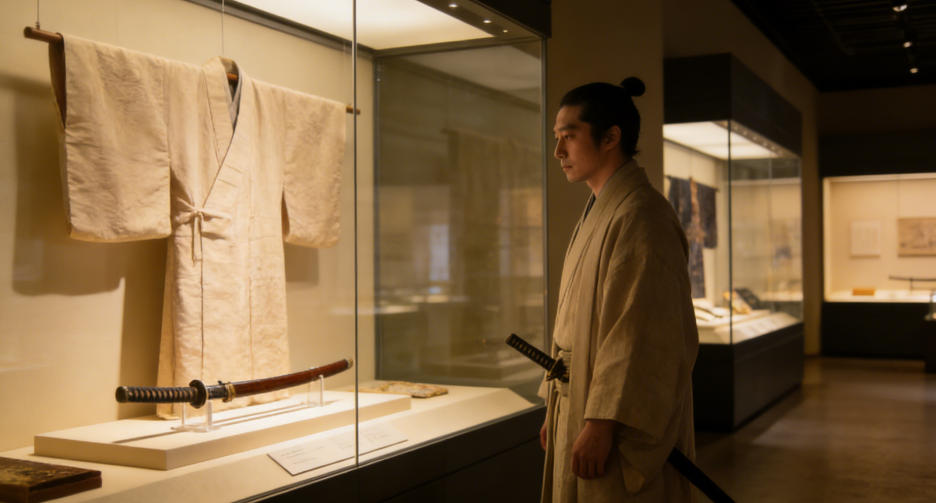
What Is Seppuku? Understanding Samurai Ritual Suicide and Its Cultural Significance
In Japanese samurai culture, seppuku is a highly symbolic ritual act. It is often referred to as Japanese ritual suicide, a special form of death undertaken by the samurai class to preserve honor, demonstrate loyalty, or assume responsibility. For anyone studying Japanese history, understanding what is seppuku and the cultural background of samurai suicide is a key step toward grasping the spirit of Bushido.
In the English-speaking world, you may sometimes encounter alternative spellings such as sepuku, sepukku, seppeku, but the standard form remains seppuku. Historically, this practice was regarded as a highly ritualized form of ritual suicide, closely tied to the samurai’s code of conduct.
This article will provide a detailed explanation of define seppuku, its historical origins, ritual procedures, the reasons samurai performed Japanese suicide, and its influence in both historical and modern contexts.
What Is Seppuku?
Many people ask: what is seppuku?
Seppuku is a ritual suicide originating from the Japanese samurai class, usually performed by disembowelment. In Western culture, it is also commonly referred to as hara-kiri, meaning 'cutting open the belly.' In traditional Japanese culture, the abdomen was believed to house a person’s soul and will, so ending life through self-disembowelment was seen as an extreme yet deeply symbolic act.
In samurai culture, to define seppuku is to understand it as a death ritual through self-sacrifice, intended to restore honor, express loyalty, or assume responsibility. Unlike ordinary suicide in Japanese society, Japanese ritual suicide followed strict ceremonial rules, fixed procedures, and profound spiritual symbolism. For the samurai, it was not merely a way to die but a manifestation of the principles of Bushido.
Historically, this act was primarily performed by samurai, and is therefore also referred to as samurai suicide. The earliest records of the practice date back to the 12th century in Japan’s feudal era. During wartime, if a samurai faced defeat, capture, or dishonor, they often chose seppuku to preserve their dignity and the reputation of their family.
Over time, seppuku evolved from a battlefield act to a more institutionalized form of Japanese ritual suicide. In certain periods, if a samurai committed a serious offense or lost honor, rulers might allow or order them to commit seppuku as a form of accountability. This method was considered more honorable than ordinary execution, granting it a unique status in feudal Japanese society.
Culturally, seppuku was more than a form of Japanese suicide—it was a symbolic act of loyalty, courage, and responsibility. By performing this ritual suicide, samurai demonstrated their adherence to honor and Bushido principles, leaving a profound mark on Japanese history and culture.
In the English-speaking world, alternative spellings include:
-
seppuku (standard spelling)
-
sepuku
-
sepukku
-
seppeku
All refer to the same historical and cultural phenomenon. Despite variations in spelling, they are all closely associated with the what is seppuku concept and the Japanese samurai Japanese ritual suicide. Today, these terms continue to appear in historical studies, cultural discussions, and media depictions of samurai suicide.

The Historical Origins of Seppuku
The history of seppuku dates back to early feudal Japan, during a time of strict social hierarchies and frequent warfare. The samurai class developed a unique system of honor, known as Bushido, where loyalty, courage, responsibility, and honor were considered the highest principles. Within this cultural framework, samurai suicide became an important way to maintain dignity and loyalty, serving as a symbol of samurai identity.
During Japan’s medieval wars, if a samurai was defeated or faced potential humiliation or death at the hands of enemies, they often chose seppuku. This act was not merely a response to failure—it represented courage and dignity. By taking their own life, a samurai could avoid capture while protecting their family and clan’s reputation.
Over time, seppuku ritual suicide became institutionalized and formalized. Especially from the 15th to 17th centuries, this practice was not just a personal choice but held official recognition, sometimes becoming a legitimate means of punishment or restoring honor. Examples include:
-
A samurai committing a grave mistake needing to assume responsibility
-
Violating the orders of a lord, threatening family honor
-
Failing on the battlefield, causing critical losses
In such cases, a samurai might be required or permitted to perform seppuku, thereby upholding the honor of their family, lord, and the samurai class as a whole. This practice reflects the core values of Bushido: even in the face of death, one must maintain responsibility and dignity.
Historically, Japanese ritual suicide could be a voluntary act or one commanded by a superior. It was more than an extreme personal act—it was a cultural and social institution, profoundly influencing feudal Japan’s military ethics and values. Through seppuku, samurai displayed courage, loyalty, and self-sacrifice, ensuring that samurai suicide endured as a lasting cultural symbol.
The Ritual Procedure of Samurai Suicide
Seppuku was not an ordinary act of self-destruction; it was a solemn and complex ritual. Over time, particularly during the Edo period, this ritual developed into a standardized procedure.
A full seppuku ritual typically included several key steps:
Preparation
Before performing Japanese ritual suicide, a samurai usually completed a series of preparations, such as:
-
Wearing a white kimono symbolizing purity and death
-
Taking a ritual bath to cleanse the body
-
Composing a death poem (jisei)
-
Eating a final meal
These acts signified the samurai’s readiness to face death mentally and spiritually.
The Act of Disembowelment
During seppuku, samurai typically used a short sword, such as:
-
tantō
-
wakizashi
The samurai would stab the blade into the abdomen and then make a horizontal cut from left to right. This act symbolized courage and self-control and is the most iconic form of samurai suicide.
The Kaishakunin (Assistant)
Since seppuku was extremely painful, the ritual often involved a kaishakunin, an assistant responsible for swiftly beheading the samurai after the abdominal cut to minimize suffering. This role, usually filled by a trusted friend or comrade, reflects both trust among samurai and respect for the ritual.

Why Samurai Committed Seppuku
Historically, samurai suicide could be motivated by various reasons. The most common include:
Avoiding Shame After Defeat
If a samurai lost a battle, they might commit seppuku to avoid capture or dishonor.
Assuming Responsibility or Atoning for Mistakes
A samurai who made a grave error could perform ritual suicide to take responsibility and restore family honor.
Loyalty to One’s Lord
In some cases, when a lord passed away, samurai would choose to die following their master, a practice known as junshi, another form of Japanese ritual suicide.
Expressing Political or Moral Stance
Historically and even in modern times, seppuku was sometimes used as an extreme method of expressing political protest or personal conviction.
What Is Seppuku and What Does It Mean?
Seppuku, sometimes misspelled as sepukku, was a ritual suicide practiced by members of Japan’s samurai class. The seppuku meaning is closely associated with honor, loyalty, and personal responsibility. Also known as belly cutting, it developed within the historical code of samurai conduct and, during certain periods, could be imposed as a form of capital punishment for samurai. Today, seppuku is studied as part of Japanese history and samurai culture, offering insight into the values and social expectations of feudal Japan.
Seppuku in Modern Japan
Following the Meiji Restoration and the abolition of the samurai class, seppuku gradually disappeared from active practice.
By the late 19th century, the Japanese government officially abolished seppuku as a legal form of punishment, removing it from both law and social systems.
However, seppuku still holds significant importance in Japanese culture and historical research. Today, its influence is observed in:
-
Japanese historical studies
-
Discussions of samurai culture and Bushido
-
Films and literary works
-
Anime and video games
Many people exploring Japanese culture continue to search for what is seppuku or define seppuku.
Handmade Japanese Samurai Katana, Dragon Sword Folded Steel Bluing Craft Dragon Pattern Blade Dragon Scabbard and Fitting

The Cultural Significance of Seppuku
Although seppuku is an extreme act, historically it symbolized the unique values of the samurai class. In Bushido thought, honor, loyalty, courage, and responsibility are paramount. Through ritual suicide, samurai demonstrated their commitment to these principles.
Therefore, seppuku was not just a form of Japanese suicide, but a complex and profound cultural symbol. When discussing suicide in Japanese history, seppuku remains one of the most emblematic examples, reflecting the samurai’s unique understanding of honor, duty, and sacrifice, and serving as a key subject in the study of Japanese history and Bushido.
In modern discussions of samurai culture, many readers first encounter the term what is seppuku, while others simply refer to the practice as seppuku, highlighting its enduring historical and cultural significance in Japan.
Historical meaning of what is seppuku demon slayer, including the concept of ritual suicide and samurai suicide, and how these ideas are represented in samurai culture and historical narratives surrounding Bushido.
Understanding seppuku meaning requires examining each form of seppuku, its historical role as a form of capital punishment or an alternative to execution for samurai, its place among historical forms of suicide, and its lasting impact on Japanese people, from the samurai era to World War II and the well-known case of Yukio Mishima.

