


Who Was Miyamoto Musashi? Life, Duels, and Legendary Swordsmanship
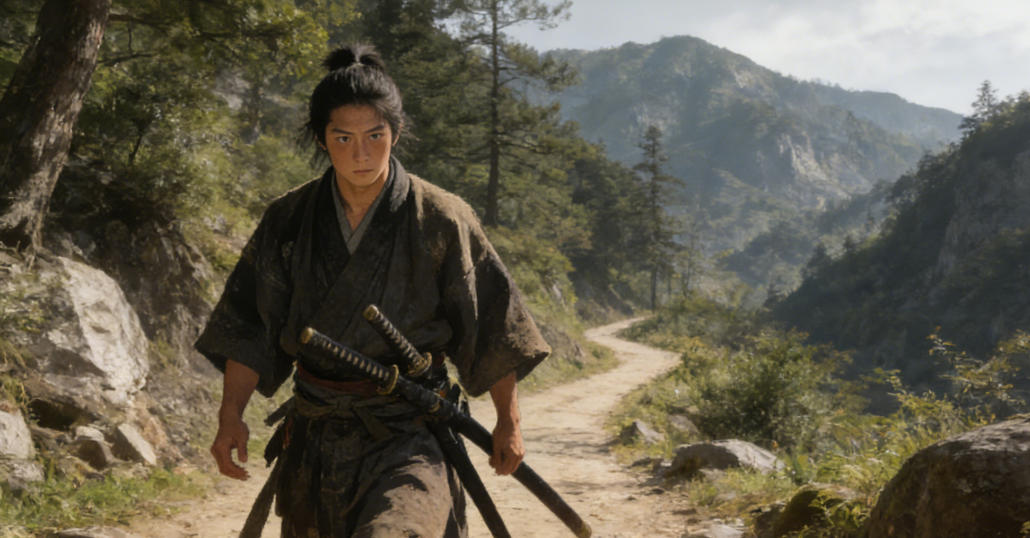
Who Was Miyamoto Musashi and What Made Him a Legendary Samurai Swordsman?
During the late Sengoku and early Edo periods in Japan, one name became almost synonymous with samurai spirit and legendary swordsmanship—Miyamoto Musashi. He was not only one of the most famous samurai in history but also a legendary figure known as the 'Sword Saint.' Countless stories of Musashi, his duels, philosophical thoughts, and life wisdom continue to influence martial arts enthusiasts, strategic thinkers, and cultural scholars to this day.
Who Is Miyamoto Musashi?
Musashi Miyamoto (1584–1645) was born into a samurai family during the final years of Japan’s Sengoku period and is one of the most legendary swordsmen in Japanese history. From a young age, he demonstrated extraordinary combat talent and resilience. During his childhood and adolescence, Musashi began his samurai training and path of dueling, gaining valuable real-world experience through matches within his family and local samurai circles. These early experiences laid the foundation for his legendary life.
Musashi’s upbringing was full of challenges. Born into a time of constant war and social upheaval, and having lost or been separated from his parents at a young age, he had to rely on his own intelligence and strength to survive. In this environment, Musashi Miyamoto honed not only his swordsmanship but also developed a unique strategic mindset and psychological resilience. He emphasized careful observation of opponents, adaptability, and incorporating everyday experience into combat techniques—an early form of the military wisdom for which he would later become renowned.
One of Musashi’s most remarkable traits was his unparalleled swordsmanship, tactical intelligence, and combat skill. Historical records and legends suggest he participated in over 60 one-on-one duels with other samurai, winning almost every time. These battles involved not just sword techniques but also psychological strategy, speed, and precise judgment, earning him the title of the “invincible swordsman.”
More importantly, Miyamoto Musashi’s legend is not only about victories. With each duel, he accumulated experience that ultimately led to the creation of his world-famous Niten Ichi-ryū (Two Heavens as One) dual-sword style. Each battle was not merely a physical confrontation but also a test of strategy, psychology, and philosophical insight, which is why Musashi Miyamoto is revered as both a master swordsman and a strategic thinker.
In Japanese history and samurai culture, Musashi symbolizes not only strength and courage but also wisdom, insight, and the ultimate pursuit of the way of the sword. His story has inspired countless martial artists, historians, and strategists, making him a timeless cultural legend.

Musashi Miyamoto’s Growth and First Legendary Battle
At just 13 years old, Miyamoto Musashi faced one of the most iconic early battles of his life—a challenge against the experienced swordsman Arima Kihei. In this unofficial match, the young Musashi defeated his seasoned opponent using a six-foot-long wooden staff. This victory not only brought him early recognition but also laid the psychological and tactical foundation for his legendary career. Although it was not a formal sword duel, it demonstrated Musashi Miyamoto’s unique understanding of combat principles: 'The purpose of any duel is to win by any means necessary.' This principle guided his swordsmanship and strategic thinking throughout his life.
Following this early victory, Musashi embarked on a journey across Japan to train with masters and challenge local experts, gaining extensive real-world experience. During this period, he not only rapidly advanced in swordsmanship skills but also developed highly adaptable tactical thinking. He learned to read opponents’ movements, assess psychological states, and incorporate environmental factors and weapons into his strategies—an integration of tactics that became a hallmark of Musashi Miyamoto’s legendary style.
Through continuous dueling and challenges, Musashi developed a deep understanding of samurai ethics and sword philosophy. He realized that victory depended not only on skill but also on psychology, timing, distance, and rhythm. These formative experiences laid the groundwork for his later creation of the Niten Ichi-ryū dual-sword style, establishing him as a singular figure in the samurai world of the Edo period.
This formative period shaped not only Musashi’s combat style but also his mental resilience and insight. He understood that a true swordsman’s victory is not merely the outcome of a fight but the expression of strategic intelligence and psychological mastery. These experiences cemented Musashi Miyamoto Musashi’s place in history as an undefeated swordsman and a legendary “Sword Saint.”
The Famous Duel: Musashi Miyamoto vs Sasaki Kojiro
Miyamoto Musashi’s most legendary duel was undoubtedly against the master swordsman Sasaki Kojiro. According to legend, the duel took place on Ganryū Island. Musashi arrived late and defeated Kojiro using a wooden oar as a sword. This victory not only secured his dominance in Japanese swordsmanship but also inspired countless works of art, literature, and legend.
In this duel, Musashi Miyamoto Musashi showcased his innovative tactics: he used the wooden sword to increase flexibility and distance while employing psychological strategies to disrupt his opponent’s focus.

Miyamoto Musashi’s Swordsmanship Style and Philosophy
Musashi was not only a formidable combatant but also a profound strategist and philosopher. He founded the renowned sword style Niten Ichi-ryū (Two Heavens as One), pioneering the dual-sword technique, which combines long and short swords in battle. This innovation revolutionized traditional swordsmanship and reflected Musashi’s deep understanding of balance, rhythm, distance, and psychological strategy.
In training, Musashi emphasized not only skill but also mental strategy. He advocated for “no fixed forms, adapt to change,” stressing the importance of adjusting tactics according to the environment and opponent. This mindset allowed him to remain nearly unbeatable in countless duels and battles. Musashi’s swordsmanship was thus more than a martial skill—it was a philosophical practice of life, intelligence, and the art of confrontation.
In his later years, Musashi distilled decades of combat experience, strategic thought, and life insight into his masterpiece, The Book of Five Rings (Go Rin no Sho). This work combines swordsmanship techniques with strategy, psychology, and philosophy, and continues to be widely studied by martial artists, business leaders, and life philosophy enthusiasts. Through it, we can understand why Miyamoto Musashi is celebrated as a “Sword Saint” and strategic master.
Musashi Miyamoto’s Evolution: From Warrior to Philosopher
After decades of martial practice and hundreds of duels, Musashi Miyamoto gradually shifted his focus from combat to spiritual cultivation and artistic expression. He explored painting, calligraphy, and sculpture, using art to express his understanding of life, nature, and philosophy. This made him not just a master swordsman but also a cultural and intellectual figure.
In a cave in Kumamoto, Musashi completed The Book of Five Rings, summarizing his lifelong sword wisdom and life experiences through solitude and meditation. His life was not merely a series of victories but a journey from confronting life and death to spiritual enlightenment. His maxim—'Know yourself and know your opponent'—remains a guiding principle for understanding strategy, psychology, and life philosophy.
The story of Musashi Miyamoto Musashi teaches that true swordsmanship is not just about technique but also about mindset, strategy, and profound insight into life. His dual-sword method, strategic philosophy, and artistic cultivation continue to influence modern martial arts, strategic thinking, and cultural studies, making him an enduring, timeless legend.
Hand Forged Last Samurai Sword Japanese Katana Sword Honsanmai Clay Tempered Battle Ready

Conclusion: Why Musashi Miyamoto Remains Legendary
-
Unmatched swordsmanship legend: Over 60 one-on-one victories made him one of Japan’s most famous swordsmen.
-
Master of tactics and strategy: Founded the dual-sword style, elevating martial arts techniques and strategic thinking.
-
Intellectual and philosophical influence: The Book of Five Rings continues to inspire generations.
-
Cultural icon: Whether in historical research, films, games, or literature, Miyamoto Musashi’s image remains timeless.

