


Katana Guide: Samurai History, Battle-Ready Swords & Collector Tips
What Is a Katana and How Do You Choose a Real Samurai Sword?
Looking to collect an authentic Japanese sword? This article delves into What is a Katana and the rich Samurai culture behind it. From the differences between Kendo and Kenjutsu, to choosing battle-ready swords, and even derivative weapons like Sword Canes, CoolKatana guides you through the world of top-tier craftsmanship in sword shops.
Throughout Japanese history, the Samurai were more than warriors—they embodied honor and discipline. And the sword they wielded, the katana, was revered as the 'soul of the Samurai.'
For modern enthusiasts, whether drawn by anime with swords or the competitive spirit of Kendo, owning a genuine Japanese sword is the ultimate dream. Today, we’ll take you inside the sword store world and answer all your questions about What is a Katana and how to collect one.
I. The Soul of the Samurai: History & Spirit
To truly understand a sword, you must first understand the person who wields it.
1. Class and Belief: What is a Samurai?
What is a Samurai? In the Western perspective, they are often compared to European Knights, but what was the Samurai in history? They were not just elite warriors on the battlefield, but also rulers and cultural guardians of Japan’s feudal society.
At the core of this class was the Code of Bushido:
-
What is the code of bushido? It is more than combat skills—it’s a strict moral code emphasizing: Rectitude, Courage, Benevolence, Respect, Honesty, Honor, and Loyalty.
The Katana is the physical embodiment of this spirit. Drawing the sword is not merely to kill, but to uphold the symbolic dignity and oath it represents.
2. Versatility on the Battlefield: From Yari to Katana
Although the Katana is most famous, a samurai’s arsenal was far more diverse.
-
Yari (The Spear): During the Sengoku period, the Yari weapon was a primary tool on the battlefield, much like a medieval knight’s lance. Spears provided necessary reach in large-scale battles.
-
The Transition: However, in close-quarters combat or daily indoor carry, the Katana Sword became indispensable. It was the samurai’s 'last line of defense' and the only blade allowed indoors.
3. The Perfect Art of Cutting: What is a Katana?
What is a Katana? Technically, it is a Japanese-forged, single-edged, curved long sword. In the art of designing swords, it is nearly flawless:
-
The Curve (Sori): The distinctive curve is ergonomic, allowing the draw and strike (nukitsuke) to occur in one smooth motion.
-
Cutting Geometry: Unlike the weight-driven Knight sword, the Katana prioritizes slicing efficiency.
-
Leverage: Its long handle allows for a two-handed grip, generating immense swinging power. Even a seemingly slender sword blade can deliver astonishing force.

II. Pop Culture Influence: From Rurouni Kenshin to Anime
For many modern collectors, their first exposure to Japanese swords comes not from museums but from sword anime. Pop culture has revived ancient Kenjutsu and reshaped modern aesthetics of sword designs.
1. A Cultural Awakening: Samurai Kenshin
Samurai Kenshin is a milestone work. It made Himura Kenshin’s name globally known.
-
The Sakabato: The iconic 'Reverse-Blade Sword' challenged traditional sword design, sparking debates about life-saving versus killing swords.
-
Swordsman Names: Kenshin became synonymous with legendary swordsmen, inspiring a generation to seek out real-life sword shops.
2. Virtual World Frenzy: Sword Art Online & Fantasy
With the rise of Sword Art Online, anime with swords opened a new fantasy era.
-
Dual Wielding: Kirito’s signature dual swords became one of the most emulated sword fighting stances, rarely seen in real Kendo, but driving massive dual-sword merchandise sales.
-
Hybrid Weapons: Anime and games break physical limits. Examples include pistol swords (gunblades) or exaggerated sword spears. These unique sword designs often steal the spotlight at conventions.
3. The Art of Naming: Cool Sword Names
Anime fans love giving their swords cool names.
-
The Power of Names: In Bleach, calling a sword’s name releases its true power. From 'Zangetsu' to 'Senbonzakura,' these awesome names for swords give steel a soul.
-
Collector Inspiration: Today, buyers searching 'Where can I buy a sword' want replicas with meaningful names and stories—not just a piece of metal.

III. Practical Training: Kendo vs. Kenjutsu
Modern Katana techniques are mainly passed down in two forms:
-
Kendo
-
What is Kendo? A modern sporting martial art.
-
Equipment: Practitioners wear protective gear and use shinai (bamboo swords). Focus is on discipline, not killing.
-
Kumdo: The Korean variant, also part of sword martial arts.
-
-
Kenjutsu
-
Traditional combat sword fighting. Unlike sport-oriented Kendo, Kenjutsu emphasizes practical techniques with wooden or live blades, including stances and sword dance training.
-
IV. Collector’s Guide: How to Choose a Real Sword
Searching 'Where can I buy a sword' or 'Sword shop near me' can be overwhelming. How do you separate toys from real swords?
1. Display vs. Battle-Ready
-
Display Swords: Made of stainless steel, fragile, and non-functional.
-
Battle-Ready Swords: Preferred by collectors.
-
Material: High-carbon steel (e.g., 1095).
-
Construction: Full tang.
-
Feature: Sharp blade, able to withstand combat sword fighting.
-
2. Sword Anatomy
Swordsmiths consider:
-
Sword Blade: The soul of the sword.
-
Tsuba (Guard): Protects the hand.
-
Kashira (Pommel): Provides balance and grip stability, even if smaller than a Knight sword pommel.
V. Hidden Arts: Sword Canes & Umbrella Swords
Beyond traditional Katanas, sword shops carry intriguing concealed weapons:
-
Sword Cane / Walking Cane Sword: Looks like a gentleman’s cane but houses a hidden blade. Popular in the Victorian era; today, a prized collectible.
-
Sword Umbrella: Combines a functional umbrella with a concealed blade.
-
Note: Always check local laws before purchasing sword sticks.
VI. Display & Maintenance: Give Your Blade a Home
After acquiring a battle-ready blade, proper display is essential:
-
Sword Stand / Holder: Traditional display; follow etiquette with the handle facing left.
-
Wall Mounts: Saves space and turns your collection into an art wall.
- Letter Opener: Mini sword letter openers offer a subtle, elegant display for desks.
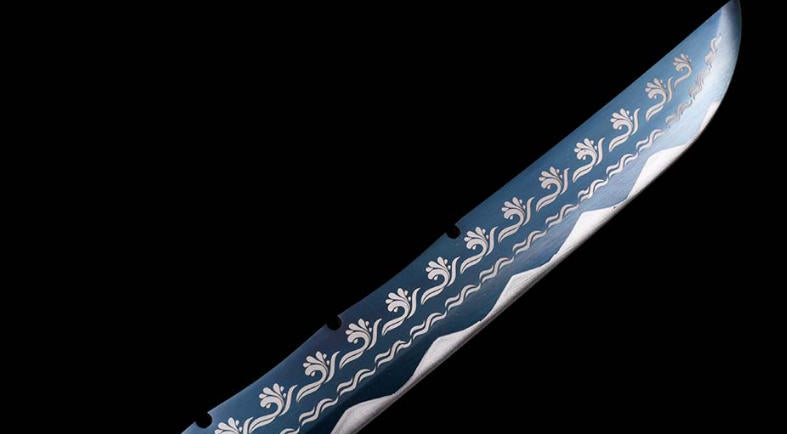
Handmade Spring Steel Katana Sword, Quenched Blue Engrave Blade Samurai Sword, Full Tang, Petals Tsuba

Conclusion
Whether you seek a Knightly sword, an Eastern Yari, or a battle-ready Katana capable of cutting gold and jade, understanding names for swords and their history is the first step in collecting.
CoolKatana, as a professional sword shop, preserves the craftsmanship of the swordsmith. From designing swords to finished blades, we provide every modern warrior with the finest battle-ready swords.

