


Armbrust: Mittelalterliche Wucht und moderne Bedeutung
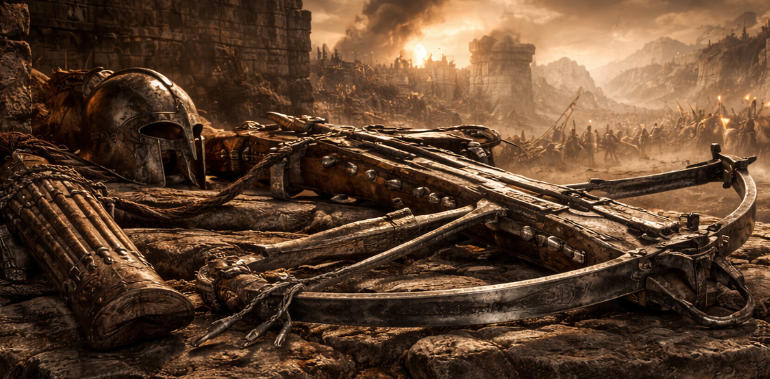
Was ist eine Armbrust und wie prägte sie die mittelalterliche Kriegsführung und moderne Fernwaffen?
Was ist eine Armbrust (schwere Armbrust)?
Die Armbrust ist eine mächtige Armbrustwaffe, die im mittelalterlichen Europa entstand und im Wesentlichen eine verbesserte Version der traditionellen Armbrust darstellt. Sie wurde zwischen dem 12. und 14. Jahrhundert weit verbreitet und entwickelte sich schnell zu einer Kern-Fernkampfwaffe für Soldaten und Söldner auf europäischen Schlachtfeldern. Bekannt für ihre bemerkenswerte Kraft, Genauigkeit und Durchschlagskraft, wurde die Armbrust in der mittelalterlichen Kriegsführung oft als die „ultimative Armbrust“ angesehen.
Im Vergleich zu gewöhnlichen Armbrüsten zeichnet sich die Armbrust durch ihren Stahlbogen und ihren verstärkten Schaft aus, wodurch sie einem viel größeren Zuggewicht standhalten kann als Holzbögen. Diese enorme Spannung ermöglicht es ihr, Bolzen mit hoher kinetischer Energie abzufeuern, die in der Lage sind, schwere Ritterrüstungen zu durchdringen oder sogar befestigte Strukturen anzugreifen. Ihre außergewöhnliche Durchschlagskraft veränderte die taktische Dynamik zwischen leichter Infanterie und schwer gepanzerten Rittern und hob das Design mittelalterlicher Fernwaffen auf ein neues Niveau.
Obwohl schwerer und langsamer nachzuladen als Standardarmbrüste, übertreffen die Kraft und Genauigkeit der Armbrust die von gewöhnlichen Armbrüsten bei weitem. Soldaten konnten ihre Bedienung mit relativ kurzer Ausbildung beherrschen, was den Kommandeuren Flexibilität bei der taktischen Aufstellung ermöglichte. Die Armbrust konnte als Verteidigungsmittel bei Belagerungen dienen oder auf dem Schlachtfeld verheerende Unterdrückung gegen Kavallerie und Infanterie bieten.
Kurz gesagt:
Armbrust = schwerer, stärker, langsamer, aber weitaus mächtiger als eine typische mittelalterliche Fernwaffe. Sie repräsentiert nicht nur technologische Innovation, sondern auch eine wichtige Verschiebung in der mittelalterlichen Schlachtfeldtaktik, die den Einfallsreichtum alter Handwerker in Materialwissenschaft und Mechanik widerspiegelt.

Struktur und Mechanismus der Armbrust
Die Stärke der Armbrust liegt in ihrem mechanischen Design:
- Stahlbogen: Stärker als Holz, fähig, höhere Energie zu speichern
- Kurbel- oder Hebelspannmechanismus: Ermöglicht Soldaten, extrem hohe Spannung zu erzeugen
- Kurzer Auszug mit hoher Spannung: Bietet starke kinetische Energie, wenn auch mit langsamerer Feuerrate
- Bolzenführung: Gewährleistet Schussstabilität und Genauigkeit
Dieses Design ermöglicht es der Armbrust, eine enorme kinetische Energie zu liefern, die ausreicht, um bestimmte Metallrüstungen selbst auf mittelalterlichen Schlachtfeldern zu durchdringen.
Referenzdaten:
- Feuerrate: ca. 2 Bolzen pro Minute
- Zuggewicht: kann mehrere tausend Newton erreichen
Die Rolle der Armbrust in der mittelalterlichen Kriegsführung
Auf mittelalterlichen europäischen Schlachtfeldern war die Armbrust mehr als nur eine Waffe – sie war ein strategischer Wendepunkt. Ihre Einführung und weite Verbreitung veränderten Fernangriffe, Infanterietaktiken sowie offensive und defensive Strategien.
1. Gegen schwere Ritterrüstung
Mit dem Aufkommen der Ritterkultur wurden schwer gepanzerte Ritter auf mittelalterlichen Schlachtfeldern dominant. Eingeschlossen in dicke Plattenrüstungen, waren sie weitgehend immun gegen konventionelle Pfeile, was die Standard-Fernkampftruppen gegen Kavallerieangriffe weniger effektiv machte. Die Armbrust jedoch, mit ihrem Stahlbogen und hohen Zuggewicht, konnte Bolzen mit ausreichend kinetischer Energie abfeuern, um Rüstungen zu durchdringen, und bot der Infanterie somit ein Mittel, ritterliche Angriffe zu neutralisieren.
Historische Aufzeichnungen, einschließlich des Hundertjährigen Krieges, zeigen, dass Armbrüste bei Burgverteidigern und Infanterieeinheiten weit verbreitet waren. Soldaten konnten Schlüsselpunkte an der feindlichen Kavallerie, wie Schultern, Beine oder Lücken in Helmen, aus Dutzenden oder sogar Hunderten von Metern Entfernung präzise anvisieren. Dies erhöhte nicht nur die Überlebensfähigkeit der Infanterie, sondern zwang die Ritter auch, ihre Taktiken anzupassen, wie die Verbesserung der Schildkoordination oder die Änderung der Angriffsformationen, wodurch letztendlich das Kräfteverhältnis auf dem Schlachtfeld zwischen Infanterie und berittenen Eliten ausgeglichen wurde.
2. Senkung des Ausbildungsaufwands
Im Vergleich zum traditionellen Langbogen, der jahrelanges rigoroses Training erforderte, um sowohl Zugkraft als auch Präzision zu meistern, war die Armbrust viel einfacher zu bedienen. Mechanische Hilfsmittel wie Hebel, Kurbeln oder Flaschenzüge ermöglichten es den Soldaten, die Waffe zu spannen, ohne immense Armkraft zu benötigen.
Diese geringe Ausbildungsbarriere ermöglichte es gewöhnlichen Infanteristen, in kurzer Zeit zu effektiven Fernkämpfern zu werden. Armeen konnten ihre Fernkampfeinheiten schnell erweitern, Rekrutierungs- und Ausbildungskosten senken und die taktische Flexibilität erhöhen. Die Verbreitung der Armbrüste demokratisierte die mittelalterliche Kriegsführung und verlagerte die Abhängigkeit von einer kleinen Elite von Rittern auf eine kombinierte Kraft aus Infanterie und Fernwaffen, die in der Lage war, das Schlachtfeld zu kontrollieren.
3. Kernwaffe in der defensiven Kriegsführung
Da Armbrüste langsamer nachzuladen waren, waren sie in defensiven und statischen Positionen besonders wirkungsvoll. In Burgen, auf Mauern und in Festungen waren sie unverzichtbar. Verteidiger konnten ihre hohe Durchschlagskraft und Genauigkeit nutzen, um angreifende Kräfte, insbesondere schwer gepanzerte Ritter und Elite-Infanterie, zu unterdrücken und schwere Verluste zu verursachen, bevor die Feinde die Verteidigung durchbrechen konnten.
Armbrüste waren auch bei Hinterhaltstaktiken sehr effektiv. Soldaten konnten sich in Wäldern, Tälern oder entlang von Straßen verstecken und plötzlich zuschlagen, um feindliche Formationen zu stören. In Kombination mit Infanterie- oder Kavallerieunterstützung konnten diese Hinterhalte Chaos stiften oder sogar feindliche Kräfte dezimieren. Mittelalterliche Kommandeure nutzten Armbrüste oft, um geschichtete Fernkampffeuer-Netzwerke aufzubauen, die Belagerungsverteidigung, Hinterhalt und Feldesunterdrückung in ein kohärentes taktisches System integrierten.
Somit war die Armbrust mehr als eine Fernwaffe – sie war ein entscheidendes strategisches Instrument in der mittelalterlichen Kriegsführung, das die Rolle der Infanterie neu definierte, Geländevorteile maximierte und Gegner zwang, ihre Angriffsstrategien zu überdenken.
Armbrust vs. Standard-Armbrüste: Hauptunterschiede
| Merkmal | Armbrust | Standard-Armbrust |
|---|---|---|
| Material | Stahlbogen | Holz oder Verbundmaterial |
| Kraft | Sehr hoch | Moderat |
| Feuerrate | Langsam | Schneller |
| Bedienungsschwierigkeit | Hoch (erfordert mechanische Hilfe) | Geringer |
| Taktische Rolle | Schwere Fernkampfwaffe | Allzweck-Fernkampfwaffe |
Im Wesentlichen ist die Armbrust die „Scharfschützenvariante“ der Armbrust.

Warum die Armbrust schließlich in Vergessenheit geriet
Der Niedergang der Armbrust wurde durch Folgendes verursacht:
- Das Aufkommen von Schießpulverwaffen, wie frühen Feuerwaffen
- Überlegene Feuerrate und Zerstörungskraft neuer Waffen
- Schnellere Schlachtfeldtaktiken, die mit langsam ladenden Waffen unvereinbar waren
Dennoch bleibt die Armbrust ein wichtiger Meilenstein in der Entwicklung von Kaltwaffen zu Feuerwaffen.
Moderne Bedeutung der Armbrust
Obwohl die Armbrust längst von den Schlachtfeldern verschwunden ist, besitzt sie weiterhin eine einzigartige historische und kulturelle Bedeutung. Heute ist sie nicht nur ein Studienobjekt, sondern auch eine Inspiration für Enthusiasten, Historiker und Schöpfer in Film und Spielen.
1. Historische Nachstellung und Sammeln
In der Neuzeit werden Armbrüste oft in historischen Nachstellungen und als Sammlerstücke verwendet. Handwerker replizieren sie aus Stahl, Holz und Leder nach mittelalterlichen Entwürfen, wodurch Menschen die Kraft und Handwerkskunst dieser schweren Fernwaffen hautnah erleben können. Sammler schätzen Armbrüste als greifbare Darstellungen mittelalterlicher Militärtechnologie, die alte Ingenieurskunst, Materialwissenschaft und strategischen Einfallsreichtum zeigen.
2. Kultursymbol in Film und Spielen
Armbrüste tauchen häufig in modernen Filmen, Animationen, Fantasyfilmen und Videospielen als ikonische Fernwaffen auf. In mittelalterlich geprägten Filmen oder Historiendramen verkörpert die Armbrust die Stärke der Infanterie und taktische Intelligenz. In Spielen wird sie oft als schwere Fernkampfwaffe mit hohem Schaden und langsamer Feuerrate dargestellt, wobei die historische Genauigkeit bewahrt und gleichzeitig strategische Tiefe hinzugefügt wird. Die Armbrust hat sich somit von einer realen Waffe zu einem kulturellen Symbol entwickelt, das mittelalterliche Kampfästhetik und Heldentum repräsentiert.
3. Schießsport und Jagdkultur
Moderne Schießsportbegeisterte und traditionelle Jäger schätzen Armbrüste auch als einzigartige Erlebnisinstrumente. Obwohl sie im Krieg nicht mehr verwendet werden, bieten ihre hochenergetischen Bolzen Präzision und eine taktile Verbindung zu den Fähigkeiten mittelalterlicher Soldaten. Bei einigen Schießwettbewerben testen nachgebildete Armbrüste Genauigkeit und Ausdauer, während der Charme historischer Waffen erhalten bleibt.
4. Symbol der Ingenieurskunst und taktischen Weisheit
Am wichtigsten ist, dass die Armbrust mittelalterliche Ingenieurskunst und militärische Intelligenz repräsentiert. Sie vereint Mechanik, Materialwissenschaft und Designprinzipien und hilft modernen Zuschauern, alte taktische Denkweisen, Belagerungsstrategien und technologische Fortschritte zu verstehen. Das Studium der Armbrust bietet Einblicke, wie mittelalterliche Handwerker begrenzte Ressourcen nutzten, um Waffen zu schaffen, die in der Lage waren, das Kräfteverhältnis auf dem Schlachtfeld zu verschieben – eine Weisheit, die bis heute Ingenieure und Designer inspiriert.
Zusammenfassend lässt sich sagen, dass die Armbrust in der Neuzeit mehr als ein Sammlerstück oder ein Unterhaltungsgegenstand ist. Sie ist ein kulturelles Erbe, eine Quelle historischer Forschung und ein Symbol mittelalterlicher Militärgenialität. Sie ermöglicht es uns, die Zeit zu überbrücken, alte Kriegsstrategien zu verstehen und den Reiz und die Legende mittelalterlicher Fernwaffen in der heutigen Zeit lebendig zu erhalten.

