


Claymore-Schwert: Schottischer zweihändiger mittelalterlicher Kampfwaffenführer
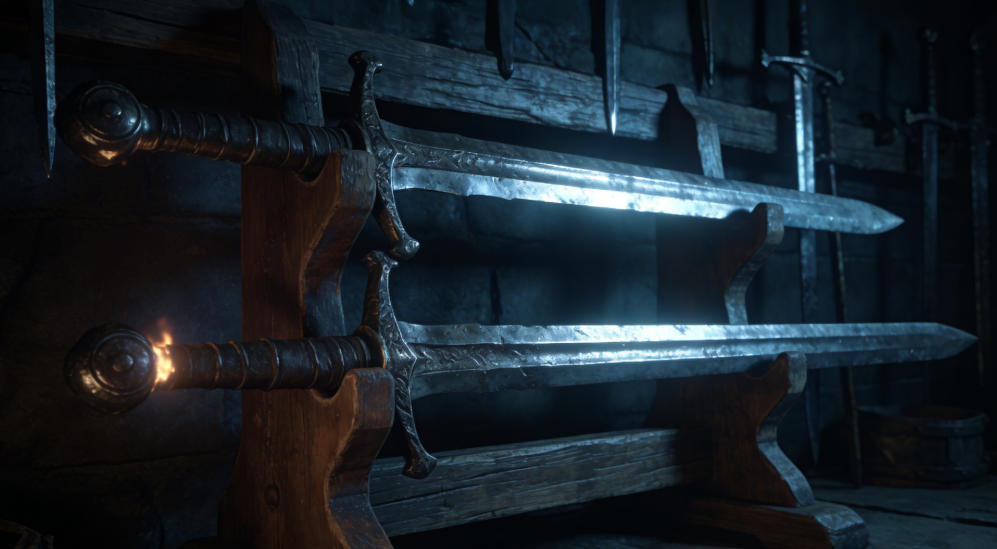
Was machte das Claymore-Schwert in mittelalterlichen Schlachten so mächtig?
In der Geschichte der antiken europäischen Kaltwaffen gibt es eine wahrhaft beeindruckende Waffe, die Stärke, Ehre und Schlachtfeldbewährung symbolisiert – das Claymore-Schwert. Dieses große Zweihandschwert besaß nicht nur entscheidende Macht auf dem Schlachtfeld, sondern spiegelte auch das tiefe Verständnis der mittelalterlichen Schmiede für Schmiedekunst, strukturelles Design und taktische Anforderungen wider.
Obwohl in der modernen Populärkultur oft als „legendäres Riesenschwert“ dargestellt, besitzt das authentische mittelalterliche Claymore-Schwert einen präzisen technischen Hintergrund, ein ausgeklügeltes strukturelles Design und eine formidable Praxistauglichkeit im Kampf. Dieser Artikel beleuchtet seine Ursprünge, Konstruktionsdetails, seinen taktischen Wert und seine kulturelle Bedeutung und bietet einen umfassenden Einblick in dieses legendäre Langschwert.
1. Was ist ein Claymore-Schwert? Definition und Hauptmerkmale
Der Begriff Claymore stammt aus dem schottischen Gälisch claidheamh mòr, was „großes Schwert“ bedeutet. In der mittelalterlichen und frühneuzeitlichen europäischen Militärgeschichte ist das Claymore-Schwert ein großes Zweihandschwert, das für seine Kraft, sein imposantes Design und seine taktische Vielseitigkeit bekannt ist. Es wurde vor dem 18. Jahrhundert hauptsächlich auf europäischen Schlachtfeldern eingesetzt, insbesondere unter den Kriegern der schottischen Highlands, und symbolisierte Stärke, Geschicklichkeit und Kampfintelligenz.
Im Gegensatz zu gewöhnlichen Einhandschwertern erfordert das Claymore das Führen mit beiden Händen, was eine unübertroffene Zerstörungskraft auf dem Schlachtfeld verleiht. Seine Kernmerkmale umfassen:
-
Zweihandgriff: Der extralange Griff ermöglicht es Kriegern, das Schwert fest mit beiden Händen zu halten, was eine starke Hebelwirkung bietet. Jeder Schwung erzeugt enorme Wucht, während die beidhändige Kontrolle präzise Manipulationen für fegende Schnitte, diagonale Hiebe und Stöße gewährleistet.
-
Breite, lange, gerade Klinge: Claymores messen typischerweise 120–150 cm in der Länge, sind breit und gerade mit einer messerscharfen Kante. Sie eignen sich sowohl für kraftvolle horizontale Hiebe als auch für durchdringende Stöße, ideal für Infanterieformationen oder Kavallerieangriffe.
-
Parierstange: Einzigartige Parierstangen schützen die Hände des Trägers vor feindlichen Klingen und können auch Waffen von Gegnern einhaken oder parieren. Einige Designs weisen nach oben gebogene Spitzen auf, die sowohl die Verteidigungsfähigkeit als auch die visuelle Einschüchterung verbessern.
-
Schwere Klinge und proportionaler Griff: Die Kombination aus einer großen Klinge und einem langen Griff maximiert die kinetische Kraft bei jedem Schlag, wodurch der Träger leichte Rüstungen oder Schilde zerschmettern kann. Eine ausgewogene Gewichtsverteilung erhält die Manövrierfähigkeit und ermöglicht schnelle Kombinationen und Beweglichkeit auf dem Schlachtfeld.
Dieses Design eines großen Zweihandschwerts eignet sich für Angriffe auf offenem Feld, Zusammenstöße von Formationen und defensive Auseinandersetzungen. Seine massive Klinge und imposante Erscheinung bieten sowohl praktische Funktion als auch psychologischen Vorteil gegenüber Feinden. Über den Kampf hinaus symbolisierte das Claymore persönliche Macht, Kriegerfertigkeiten und Familien-Ehre unter den schottischen Highlandern.

2. Ursprünge und Entwicklung des Claymore-Schwerts
Früher Hintergrund: Evolution von Langschwertern und Zweihandschwertern
Das Claymore-Schwert entstand während der spätmittelalterlichen europäischen Entwicklung von Zweihandschwertern. Frühe Zweihandschwerter erschienen um das 14. Jahrhundert und waren ursprünglich dazu gedacht, schwer gepanzerte Ritter und dichte Infanterieformationen zu bekämpfen. Im Laufe der Zeit entwickelten diese Schwerter längere Griffe, breitere Klingen und ein größeres Zerstörungspotenzial, was in dem eigenständigen Claymore-Schwert gipfelte.
Wichtige Faktoren bei der Entwicklung des Claymores waren:
-
Taktische Notwendigkeiten: Gegen schwer gepanzerte Gegner konnten Einhandschwerter die Verteidigung nicht effektiv durchdringen. Die lange Klinge und der Zweihandgriff des Claymores ermöglichten kraftvolle horizontale und vertikale Schläge, um feindliche Linien zu durchbrechen.
-
Fortschritte in der Metallurgie: Vom 14. bis 16. Jahrhundert verbesserte sich die europäische Stahlproduktion, wodurch Schmiede längere, stärkere Klingen herstellen konnten. Verstärkter Stahl und ein wissenschaftlich proportionierter Aufbau machten das Claymore-Schwert haltbar, während es eine immense Schnittkraft beibehielt.
-
Kulturelle und Designfusion: Das Claymore verband Elemente verschiedener europäischer Schwerttraditionen: die gerade, breite Klinge kontinentaler Langschwerter, der verlängerte Griff und die Parierstange nordischer Zweihandschwerter und die einzigartigen nach oben gebogenen Spitzen schottischer Highland-Designs. Diese Fusion verbesserte die Leistung und führte zu einem einzigartig erkennbaren Claymore-Stil.
Durch diese Kombination aus Technologie und Kultur wurde das Claymore zu einer charakteristischen Waffe für Infanterie- und Highland-Krieger und festigte seine einzigartige Position in der europäischen Waffengeschichte.
Schottische Hochland-Symbolik: Schottisches Claymore
Vom 15. bis 17. Jahrhundert wurde das schottische Claymore zu einem Symbol für die Identität und den Clan-Geist der Highland-Krieger. Im Vergleich zu kontinentalen Zweihandschwertern zeichneten sich schottische Claymores aus durch:
-
Nach oben gebogene Spitzen der Parierstange: Verbesserung der Verteidigung und Schaffung einer visuell imposanten Präsenz auf dem Schlachtfeld.
-
Langer Zweihandgriff: Ermöglichte den Highlandern, kraftvolle horizontale Hiebe, Stöße und schnelle Schwünge auszuführen, anpassbar an hügeliges, unwegsames Gelände.
-
Kulturelle Bedeutung: Über eine Waffe hinaus repräsentierte das Claymore Mut, Stärke und Familien-Ehre. Viele Clans zeigten kunstvolle Claymore-Schwerter bei Zeremonien oder vor Schlachten als Demonstration von Status und Kriegerfähigkeiten.
-
Taktische Anpassungsfähigkeit: Bergige und bewaldete Schlachtfelder erforderten manövrierfähige Waffen. Das ausgewogene Design des Claymores ermöglichte effektive Hiebe und präzise Stöße selbst in beengten oder unebenen Räumen.
Das schottische Claymore verkörpert somit die Schnittstelle von taktischer Innovation, technischem Fortschritt und kultureller Symbolik, was die Bedürfnisse der Highland-Krieger auf dem Schlachtfeld und die Evolution des europäischen Zweihandschwerts widerspiegelt.
3. Strukturanalyse: Warum das Claymore auf dem Schlachtfeld tödlich ist
Das Claymore-Schwert ist eines der ikonischsten Zweihandschwerter im mittelalterlichen Europa, konzipiert für verheerende Kraft und taktische Vielseitigkeit. Von Bergstürmen über Formationenkämpfe bis hin zum Einzelkampf gewährleistet sein Design maximale Effektivität.
1. Zweihandgriff und Hebelwirkung
Die Größe und das Gewicht des Claymores erfordern eine beidhändige Bedienung, was mehrere Vorteile bietet:
-
Verstärkte Schlagkraft: Der lange Griff wirkt als Hebel und leitet die gesamte Körperkraft des Trägers in die Klinge, die in der Lage ist, Rüstungen oder Schilde zu spalten.
-
Stabilität: Die beidhändige Kontrolle reduziert Rückstoß und Ermüdung bei wiederholten Schlägen.
-
Weitreichende Angriffe und rotierende Schwünge: Der beidhändige Griff ermöglicht ausladende Bögen, abwechselnde Schläge und diagonale Rotationen, ideal, um dichte Infanterieformationen zu durchbrechen.
-
Anpassungsfähigkeit im Nahkampf: Selbst auf engstem Raum ermöglicht ein Zweihandgriff schnelle Stöße, angewinkelte Schnitte und Paraden, wodurch Offensive und Defensive im Gleichgewicht gehalten werden.
Dieses Design verkörpert das Prinzip des Claymores „Kraft mit Kontrolle“, was es sowohl zerstörerisch als auch manövrierfähig macht.
2. Breite Klinge und langer Griff
Die breite Klinge und der verlängerte Griff des Claymores sind entscheidend für seine Wirksamkeit auf dem Schlachtfeld:
-
Ausladende Schläge: Breite Klingen ermöglichen es, mehrere Gegner in engen Formationen zu räumen.
-
Stoßdurchdringung: Die erweiterte Reichweite ermöglicht präzise Stöße durch Rüstungslücken oder Schilde.
-
Defensive Fähigkeit: Die massive Klinge kann eintreffende Waffen wie Speere, Äxte oder gebogene Schwerter blockieren.
-
Mechanischer Vorteil: Ausgewogene Gewichtsverteilung und Grifflänge erzeugen eine konstante Impulskraft, die jeden Schlag stabil und präzise macht.
Die Kombination aus Klingenbreite und Grifflänge ermöglicht es dem Claymore, in offenen Feldschlachten, bei Formationsangriffen und in unwegsamem Gelände zu brillieren.

3. Parierstange und Detailmerkmale
Schottische Claymores und andere europäische Zweihandschwerter wiesen oft markante Parierstangen auf, die sowohl ästhetischen als auch funktionalen Zwecken dienten:
-
Handschutz: Parierstangen verhindern, dass feindliche Klingen die Hände des Trägers erreichen.
-
Griffstabilität: Parierstangen ergänzen die beidhändige Kontrolle für stabile Schwünge.
-
Stoßabsorption: Sie verteilen die Kraft beim Aufprall auf feindliche Schilde oder Waffen und reduzieren die Belastung von Handgelenk und Schulter.
-
Taktische Anwendungen: Parierstangen können im Nahkampf feindliche Waffen einhaken, blockieren oder manipulieren und ermöglichen sogar Gegenangriffe.
-
Ästhetischer und symbolischer Wert: Viele Parierstangen waren mit Familienwappen oder dekorativen Mustern graviert, was die strukturelle Stärke verstärkte und gleichzeitig den Status kennzeichnete.
Die Parierstange veranschaulicht das Gleichgewicht des Claymores zwischen Sicherheit, Offensive und kultureller Symbolik.
4. Spitze und Klingenform
-
Spitze für Stöße: Entwickelt zum Durchdringen von Rüstungen und Schildlücken unter Nutzung der vollen Hebelwirkung.
-
Breite und dicke Klinge: Gewährleistet maximale Wirkung bei horizontalen Hieben.
-
Leichte Krümmung und verstärkter Stahl: Verbessert die Schnittglätte und verhindert Bruch.
Das strukturelle Design des Claymores spiegelt die Weisheit mittelalterlicher Handwerkskunst wider:
-
Zweihandhebelwirkung für Kraft und Kontrolle
-
Breite Klinge und langer Griff zum Hauen, Stoßen und Verteidigen
-
Parierstange für Handschutz und taktische Flexibilität
-
Spitze und Klingenform für Stärke und Präzision
Diese Kombination aus Kraft, Beweglichkeit und taktischer Vielseitigkeit machte das Claymore-Schwert zu einer unverzichtbaren Waffe auf dem Schlachtfeld und zu einem Höhepunkt des Zweihandschwertdesigns.
4. Taktischer Wert: Claymore auf dem Schlachtfeld
Obwohl in modernen Medien oft dramatisiert, hatte das Claymore-Schwert praktische Vorteile auf dem Schlachtfeld:
1. Rüstungsdurchschlagfähigkeit
Gegen schwer gepanzerte Ritter oder Elite-Infanterie konnte das Claymore:
-
Schilde zerbrechen
-
Leichte Plattenrüstungen spalten
-
Gegner aus dem Gleichgewicht bringen oder außer Gefecht setzen
2. Kampf in Menschenmassen und Vorteil des Schwungbereichs
Der ausladende Schwungbereich des Zweihandschwerts ermöglichte:
-
Das Schaffen von Raum im chaotischen Nahkampf
-
Das Brechen der feindlichen Moral
-
Die Unterstützung der Infanterie beim Durchbrechen von Verteidigungslinien
3. Infanterie- und Kavallerietaktiken
Das Claymore eignete sich sowohl für Fußsoldaten als auch für berittene Krieger:
-
Infanterie setzte horizontale Schwünge ein, um Formationen zu stören
-
Die Kavallerie nutzte Beweglichkeit und Claymore-Kraft für entscheidende Angriffe
5. Kulturelle Symbolik: Macht, Ehre und Status
In der schottischen Folklore und Clankultur war das Claymore mehr als eine Waffe – es war ein kulturelles Emblem:
-
Symbol des Kriegergeistes: Repräsentiert schottischen Mut und Tapferkeit
-
Emblem der Ehre und Errungenschaften: Abgebildet in Wappen, Familienwappen und epischen Geschichten
-
Statusmerkmal: Getragen von Clanführern und erfahrenen Kriegern
Schottische Legenden erwähnen häufig das Claymore-Schwert und zementieren es als dauerhaften Bestandteil der schottischen Kulturidentität, was moderne Darstellungen von „ritterlichen Großschwertern“ beeinflusst.
6. Moderner Einfluss: Von der Geschichte zu Medien und Gaming
Claymore-Schwert weiterhin die zeitgenössische Kultur:
-
Film und Fernsehen: Erscheint als Symbol der Macht in epischen und historischen Adaptionen
-
Videospiele und RPGs: Weit verbreitet als Klasse großer zweihändiger Schwerter
-
Sammler und Enthusiasten: Bleibt ein begehrtes Sammlerstück für historische Reproduktionen und Ausstellungen
7. Fazit: Die zeitlose Anziehungskraft des legendären Schwertes
Von der Einschüchterung feindlicher Linien in mittelalterlichen Schlachten bis zur Symbolisierung von Stärke und Ehre in modernen Medien – das Claymore-Schwert überdauert die Zeiten. Es spiegelt die Ingenieurskunst mittelalterlicher Schmiedekunst, taktische Weisheit und kulturelle Symbolik wider.
Vom konstruktiven Design über den Nutzen auf dem Schlachtfeld bis hin zur kulturellen Bedeutung ist das Claymore nicht nur eine Waffe – es ist eine klassische Ikone in der Geschichte und dem Erbe des kalten Stahls.

