


Japanische Masken: Oni, Samurai & traditionelle Designs für Sammler
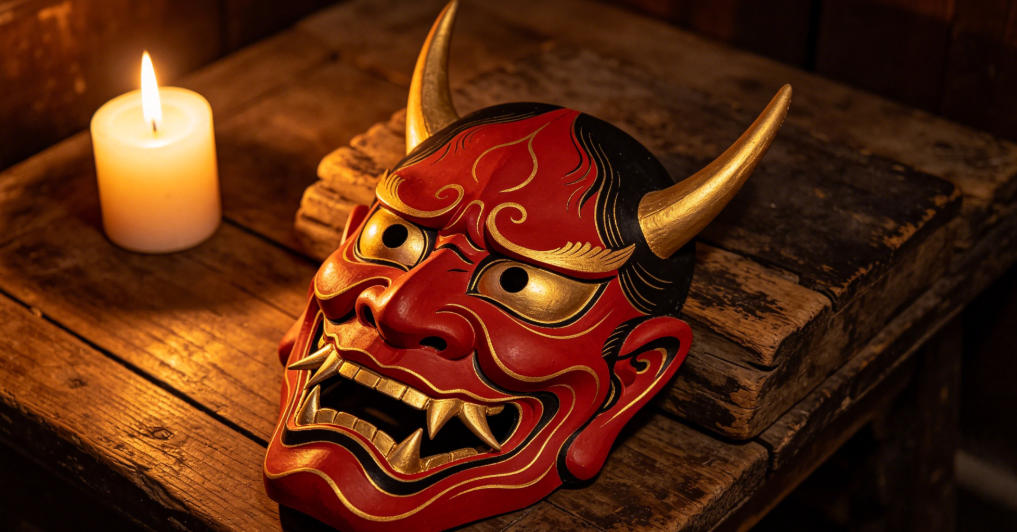
Was sind japanische Masken und wie unterscheiden sich Oni- und Samurai-Masken?
Japanische Masken sind ein wesentlicher Bestandteil der traditionellen japanischen Kultur, mit einem reichen historischen Hintergrund und einem einzigartigen künstlerischen Wert. Ob bei Festen, im traditionellen Theater oder als Sammler- und Dekorationsstücke verwendet, japanische Masken zeigen die Essenz und ästhetische Schönheit der japanischen Kultur. Oni-Masken, Samurai-Masken und verschiedene japanische Masken sind nicht nur geheimnisvoll und fesselnd, sondern auch eine perfekte Kombination aus Kultur und Kunstfertigkeit.
Was sind japanische Masken?
Japanische Masken nehmen einen bedeutenden Platz in der japanischen Geschichte und Folklore ein und werden häufig in religiösen Ritualen, Theateraufführungen, Festen und sogar zum Schutz verwendet. Über reine Requisiten hinaus tragen diese Masken tiefe kulturelle Bedeutung und symbolischen Wert. Zu den gängigen Typen gehören Oni-Masken, Samurai-Oni-Masken, traditionelle Noh-Masken, Tanzmasken, Festmasken und moderne kreative Masken. Jeder Maskentyp hat eine einzigartige Symbolik und Geschichte – zum Beispiel sollen Oni-Masken oft böse Geister abwehren und Häuser schützen, während Samurai-Masken, wie die Samurai-Oni-Maske, Mut, Würde und den Kriegergeist verkörpern und Loyalität und Stärke vermitteln.
Hochwertige japanische Oni-Masken oder Samurai-Masken werden typischerweise aus hochwertigem Holz, Harz oder Metall gefertigt. Sie durchlaufen mehrere handwerkliche Prozesse, darunter detaillierte Schnitzereien, sorgfältige Bemalung und dekorative Gravuren, die sie sowohl optisch beeindruckend als auch langlebig machen. Einige Masken sind auf Komfort und Sicherheit ausgelegt und eignen sich als japanische Gesichtsmasken, perfekt nicht nur für traditionelle Feste und kulturelle Aufführungen, sondern auch für modernes Cosplay, Fotografie oder Bühnenshows, wodurch ein immersives Erlebnis entsteht.
Darüber hinaus besitzen japanische Masken einen bedeutenden künstlerischen und kulturellen Wert. Jede Maske repräsentiert die Handwerkskunst und Hingabe der Künstler – von geschnitzten Linien und Gesichtsausdrücken bis hin zu Farbkombinationen erzählt jedes Detail eine Geschichte über die japanische Geschichte, religiöse Überzeugungen und das soziale Leben. Eine Oni-Maske oder Samurai-Oni-Maske zu sammeln, bedeutet nicht nur den Erwerb eines Dekorationsgegenstandes – es ist eine Verbindung zur traditionellen japanischen Kultur, den Theaterkünsten und dem Kriegergeist.
Die Vielfalt der Masken ermöglicht es Sammlern und Liebhabern, nach ihren Interessen zu wählen: einige für Wandbilder oder Heimdekoration als Masken Japans, einige für Feste oder Bühnenaufführungen zur Verbesserung kultureller Erlebnisse und andere für Cosplay oder Fotografie, die traditionelle Ästhetik mit moderner Unterhaltung verbinden. Das Verständnis der Maskentypen in der japanischen Kultur hilft Sammlern, die Symbolik, den historischen Kontext und die sozialen Funktionen jeder Maske zu erfassen, was sowohl die Nutzung als auch die Sammlung bereichert.

Einzigartige Arten japanischer Masken
Japanische Masken gibt es in verschiedenen Formen, jede mit unterschiedlichem Design, Symbolik und historischem Hintergrund, die die Tiefe der traditionellen Kultur und exquisite Handwerkskunst widerspiegeln. Ob für Feste, Theater, Dekoration oder Sammlung, jede Maske ermöglicht ein tieferes Erleben der japanischen Kultur.
-
Oni-Masken
Oni-Masken gehören zu den ikonischsten japanischen Masken, oft mit übertriebenen Merkmalen und lebhaften Farben, die eine starke visuelle Wirkung erzeugen. Weit verbreitet in der Folklore und bei religiösen Zeremonien symbolisieren Oni-Masken den Schutz vor Bösem, die Abwehr von Unglück und stehen für Mut und Stärke. Bei Festen, Tempelveranstaltungen oder traditionellen Ritualen dienen Oni-Masken als Requisiten, die die Atmosphäre bereichern und kulturelle Symbolik vermitteln. Sammler schätzen Oni-Masken auch wegen ihrer künstlerischen und kulturellen Bedeutung und machen sie zu einer beliebten Wahl für Ausstellungen. -
Samurai-Masken / Samurai-Oni-Masken
Samurai-Masken verbinden Schutzfunktion mit künstlerischem Design und symbolisieren die japanische Kriegerkultur. Traditionelle Samurai-Masken wurden zum Schutz auf dem Schlachtfeld verwendet, drückten aber auch Würde und den Samurai-Geist aus. Samurai-Oni-Masken integrieren Oni-Elemente in traditionelle Samurai-Designs und schaffen so ein dramatischeres und kraftvolleres Aussehen, während sie die kulturelle Symbolik bewahren. Diese Masken werden häufig bei historischen Nachstellungen, Cosplay oder Bühnenaufführungen verwendet und verkörpern Funktionalität, Kunstfertigkeit und kulturelle Bedeutung. -
Noh-Masken / Traditionelle japanische Masken
Noh-Masken sind im traditionellen japanischen Theater unverzichtbar, wobei jede Maske verschiedene Charaktere wie Götter, Dämonen, Geister oder Adlige darstellt. Sie zeichnen sich durch zarte Gesichtsausdrücke und symbolische Bedeutung aus, die es den Schauspielern ermöglichen, komplexe Emotionen und Geschichten auf der Bühne zu vermitteln. Hochwertige Noh-Masken werden handgefertigt und bemalt und zeigen die Meisterschaft der japanischen traditionellen Handwerkskunst. Das Sammeln oder Bewundern von Noh-Masken bietet sowohl künstlerischen Genuss als auch ein tieferes Verständnis der japanischen Theaterkultur. -
Festliche und dekorative Masken
Jenseits der traditionellen Aufführungen werden japanische Masken auch bei Festen, Cosplay oder zur Heimdekoration verwendet. Durch die Wahl verschiedener Masken Japans können Liebhaber die Vielfalt und den Spaß der japanischen Kultur erleben. Festmasken sind in der Regel farbenfroh und lebhaft und verstärken die festliche Atmosphäre; dekorative Masken verbinden Kunstfertigkeit und visuelle Anziehungskraft und dienen als einzigartige Wandbehänge oder Ausstellungsstücke, die traditionelle japanische Ästhetik in moderne Wohnräume bringen. -
Moderne kreative und hybride Masken
Beeinflusst von Anime und zeitgenössischer Kultur integrieren einige Masken kreative Elemente und verbinden Oni-Masken, Samurai-Masken und beliebte Charaktere zu neuen modernen japanischen Masken. Diese eignen sich ideal für Festaufführungen, Cosplay oder als Sammlerstücke und lassen traditionelle Kultur im modernen Leben gedeihen.
Das Verständnis der verschiedenen Arten japanischer Masken ermöglicht es Sammlern, ihre einzigartigen Formen und ihren künstlerischen Wert zu schätzen und gleichzeitig Einblicke in die Maskentypen in der japanischen Kultur, ihren historischen Kontext und ihre Symbolik zu gewinnen. Jede Oni-Maske, Samurai-Oni-Maske oder traditionelle japanische Maske verbindet Kultur und Kunst und bietet visuellen Genuss und kulturelles Eintauchen.
Worauf Sie beim Kauf japanischer Masken achten sollten
Beim Kauf von japanischen Masken oder Samurai-Masken empfiehlt es sich, diese von seriösen Quellen zu beziehen, um die Materialsicherheit zu gewährleisten und sowohl den dekorativen Effekt als auch den kulturellen Wert zu erhalten. Beachten Sie Folgendes:
- Material: Wählen Sie Holz, Harz, Metall oder Verbundwerkstoffe für Langlebigkeit und Ästhetik.
- Handarbeit und Bemalung: Masken mit sorgfältiger Handwerkskunst haben einen höheren künstlerischen und sammlerischen Wert.
- Verwendungszweck: Entscheiden Sie, ob die Maske für die Sammlung, Dekoration, Aufführung oder Feste bestimmt ist, da verschiedene Zwecke Ihre Wahl beeinflussen.
- Kulturelle und symbolische Bedeutung: Das Verständnis der Geschichte und Symbolik jeder Maske verleiht Ihrer Sammlung Tiefe.
Indem Sie diese Richtlinien befolgen, können Sie wunderschöne und kulturell bedeutsame japanische Oni-Masken oder Samurai-Oni-Masken auswählen, die Ihre Festival-, Cosplay- oder Ausstellungserlebnisse bereichern.
Kultureller und künstlerischer Wert japanischer Masken
Japanische Masken sind mehr als nur Dekorationsgegenstände – sie sind lebendige Symbole der japanischen Kultur, Geschichte und Kunstfertigkeit. Von imposanten Samurai-Masken bis hin zu lebhaften Oni-Masken und exquisiten Noh-Masken trägt jede reiche Geschichten, soziale Symbolik und kulturelle Bedeutung. Für Sammler und Liebhaber ist der Besitz einer japanischen Maske wie das Halten eines Stücks Geschichte und einer Momentaufnahme der Kultur, die direkt mit japanischen Traditionen und ästhetischen Werten verbunden ist.
Der künstlerische Wert der Masken liegt nicht nur in ihrem Aussehen, sondern auch in ihrer Handwerkskunst und ihren Geschichten. Jede handgefertigte Oni-Maske oder Samurai-Oni-Maske umfasst mehrere komplexe Schritte – von der anfänglichen Schnitzerei, dem Feinschliff, der Bemalung bis hin zu dekorativen Gravuren – und zeigt die Geschicklichkeit und Hingabe des Künstlers. Diese Handwerkskunst gewährleistet Langlebigkeit und verleiht der Maske eine einzigartige kulturelle Ästhetik und einen sammlerischen Wert.
Darüber hinaus verkörpern Masken reiche Geschichten und Symbolik. Oni-Masken werden verwendet, um Böses abzuwehren oder Feste zu feiern, mit übertriebenen Designs und hellen Farben, die Schutz und Stärke symbolisieren; Samurai-Oni-Masken verschmelzen Kriegergeist und Oni-Merkmale und repräsentieren Mut, Würde und Kampfkraft. Jede Maske erzählt eine Geschichte der japanischen Geschichte, Mythologie und Folklore und ermöglicht es Sammlern, die kulturelle Tiefe jenseits der visuellen Schönheit zu erleben.
Japanische Masken dienen auch als generationenübergreifende Kunstformen. Von alten religiösen Ritualen und Samurai-Traditionen bis hin zu modernem Cosplay, Festen und Heimdekoration verschmelzen diese Masken traditionelle Kultur mit zeitgenössischem Leben. Das Sammeln und Ausstellen von Masken Japans erhöht die visuelle Attraktivität und bietet Einblicke in die japanische Gesellschaft, Geschichte und künstlerische Vielfalt.
Schließlich haben Masken einen pädagogischen und sammlerischen Wert. Durch das Studium der Maskentypen in der japanischen Kultur können Sammler deren historische Verwendung, Symbolik und Designphilosophie verstehen, wodurch der akademische Wert ihrer Sammlung steigt. Ob zur Dekoration, Sammlung oder Aufführung, japanische Oni-Masken und Samurai-Oni-Masken bieten reiche visuelle und kulturelle Erlebnisse und sind ideal für Anime-Fans, Geschichtsinteressierte und Kunstsammler gleichermaßen.

Praktische und interaktive Nutzung japanischer Masken
Neben der Sammlung und Ausstellung eignen sich einige japanische Masken perfekt für Feste, Cosplay oder Aufführungen, wodurch Interaktion und Immersion verstärkt werden. Das Tragen einer japanischen Gesichtsmaske auf einem Fest ermöglicht es, die Kraft und den Charme des Charakters zu spüren, während man bei gesellschaftlichen Anlässen auffällt und Spaß und kulturelle Erlebnisse hinzufügt.
Das Verständnis der Maskentypen in der japanischen Kultur hilft Sammlern und Enthusiasten, den historischen Hintergrund und die Symbolik jeder Maske besser zu würdigen – von Oni bis Samurai erzählt jede eine einzigartige Geschichte, was das Sammeln und Verwenden bedeutungsvoller und angenehmer macht.
Empfehlungen und Sammeltipps
-
Oni-Masken / Samurai-Oni-Masken-Sammlung
Für diejenigen, die sich für japanische Kultur, Geschichte oder Yokai-Themen interessieren, sind Oni-Masken und Samurai-Oni-Masken unverzichtbare Gegenstände. Jede vereint exquisite Handwerkskunst und kulturelles Geschichtenerzählen und dient als wertvolles Sammlerstück oder Objekt für Kulturstudien und Kunstbetrachtung. Berücksichtigen Sie beim Sammeln den historischen Kontext, die Charaktersymbolik und die Materialien der Maske, um jedes Stück zu einem Höhepunkt Ihrer kulturellen Sammlung zu machen. -
Ausstellung und Dekoration
Japanische Masken sind nicht nur Sammlerstücke, sondern auch kunstvolle Dekorationen. Hängen Sie sie an Wände, stellen Sie sie auf Regale oder platzieren Sie sie auf Schreibtischen und in Wohnbereichen, um sofort einen traditionellen japanischen und geheimnisvollen Touch zu verleihen. Verschiedene Maskentypen, wie Oni-, Samurai- oder Noh-Masken, bieten eine einzigartige visuelle Wirkung und künstlerische Atmosphäre. Eine angemessene Beleuchtung und Anordnung kann die Farben und Schnitzdetails hervorheben und die Gesamtästhetik verbessern. -
Feste und Aufführungen
Japanische Masken spielen eine Schlüsselrolle bei Festen, Cosplay oder traditionellen Aufführungen. Das Tragen einer japanischen Gesichtsmaske lässt Sie in die Figur eintauchen und erhöht die Interaktion und den Spaß. Ob bei japanischen Festen, Bühnenshows oder Anime-Veranstaltungen, Masken machen das Erlebnis authentischer und fördern tiefere kulturelle Verbindungen zum Publikum und anderen Enthusiasten. -
Materialien und Handwerkskunst
Die Materialien und die Handwerkskunst der Maske wirken sich direkt auf den Sammelwert und die Langlebigkeit aus. Hochwertiges Holz, Harz oder Metall, kombiniert mit Handschnitzereien, Bemalung und dekorativen Gravuren, gewährleistet Haltbarkeit und Einzigartigkeit. Achten Sie bei der Auswahl von Samurai-Oni-Masken oder Oni-Masken auf handwerkliche Details, Farbkonsistenz, Schnitztiefe und die Gesamtbalance, um das Sammlungs- oder Nutzungserlebnis zu maximieren. -
Kultureller und erzählerischer Wert
Jede Maske Japans birgt reiche historische und kulturelle Geschichten. Das Sammeln dieser Masken ist mehr als ein Hobby – es ist Kulturerhaltung. Das Studium der Maskentypen in der japanischen Kultur ermöglicht das Verständnis von Nutzung, Symbolik und Designphilosophie, was Ihrer Sammlung akademische und kulturelle Tiefe verleiht. -
Personalisierte Sammlung und Ausstellung
Enthusiasten können mehrere Masken kreativ ausstellen, zum Beispiel Oni-Masken mit Samurai-Masken kombinieren oder traditionelle Noh-Masken mit modernen Designs, um einen einzigartigen Kunstraum zu schaffen. Durchdachte Anordnung und kreative Kombinationen verbessern die Ästhetik und heben die Erzählungen und den kulturellen Wert jeder japanischen Oni-Maske oder Samurai-Oni-Maske voll zur Geltung.
Durch sorgfältige Auswahl, Präsentation und Verwendung ermöglichen Ihnen japanische Masken, die Vielfalt und den Charme der japanischen Kultur tief zu erleben. Ob zur Dekoration, Festivalteilnahme, Bühnenaufführung oder zum Studium – Masken bieten ein reichhaltiges visuelles und kulturelles Eintauchen, das jedem Enthusiasten die ästhetische und kulturelle Tiefe japanischer Masken genießen lässt.

