


Japanese Samurai Armor (Yoroi) Explained: History, Types & Meaning
- von COOLKATANA
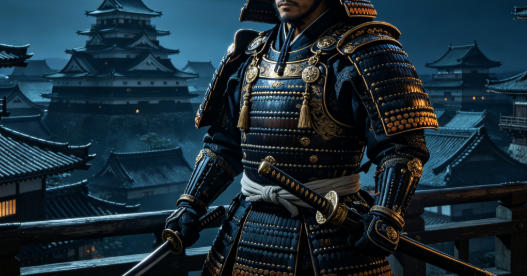
What Is Japanese Samurai Armor (Yoroi) and Why Is It So Important in Samurai History?
Japanese Samurai Armor (Yoroi / 鎧) is not only a form of ancient battlefield protection but also a powerful representation of Samurai culture, social identity, and traditional craftsmanship. From the Heian period to the Edo period, Samurai Armor evolved dramatically—from a purely functional survival tool on the battlefield to a refined cultural artifact and artistic expression of status and honor. Today, interest in Japanese Samurai Armor collection, Samurai Armor replica, wearable Samurai Armor, and historical research continues to grow worldwide among collectors, historians, and fans of Japanese culture, film, and anime.
What Is Japanese Samurai Armor (Yoroi)?
Japanese Samurai Armor (Yoroi / 鎧) refers to the traditional protective equipment worn by Japanese samurai warriors, commonly known in English as Samurai Armor. Its origins date back to the Heian period, and over centuries of warfare and social evolution, it developed into a highly complex defensive system.
Rather than being a single piece of metal armor, Yoroi is a sophisticated combination of multiple materials and craftsmanship techniques, typically including iron plates for protection against swords and arrows, leather reinforcement layers for flexibility and comfort, silk lacing systems known as Odoshi for binding armor components together, and a protective lacquer coating called Urushi lacquer that prevents rust, water damage, and enhances visual beauty.
Functionally, Samurai Armor served several essential purposes: it provided critical protection in intense battlefield conditions filled with arrows and close combat attacks, while also allowing mobility for both horseback and foot soldiers, enabling warriors to adapt to different combat styles efficiently.
At the same time, it acted as a powerful symbol of identity and authority, as different samurai clans used unique family crests (Mon) on their armor to indicate lineage, allegiance, and social rank. In historical context, Yoroi was far more than military equipment—it functioned as a complete 'identity system' of the samurai class, representing honor, duty, and social status in a highly structured feudal society.

Ō-yoroi (Great Armor): The Golden Age of Mounted Samurai
Ō-yoroi (大鎧) was one of the earliest and most iconic forms of Samurai Armor, widely used during the Heian and Kamakura periods. It was specifically designed for elite mounted archers and reflected the aristocratic nature of early samurai warfare.
Key features of Ō-yoroi Samurai Armor include:
- Designed for mounted archery samurai (horseback warriors)
- Heavy but highly protective structure
- Built using numerous small iron plates (kozane construction)
- Highly decorative silk lacing (Odoshi) with strong visual identity
This type of armor symbolized a warrior elite class where status, ritual, and appearance were just as important as combat effectiveness.
Dō-maru: Tactical Evolution from Horseback to Infantry Combat
As warfare evolved, samurai gradually shifted from mounted archery to infantry-based combat, leading to the development of more flexible armor such as Dō-maru.
Unlike earlier armor types, Dō-maru Samurai Armor featured a tighter, body-wrapping design that allowed greater mobility and was better suited for prolonged ground combat. It was lighter, more practical, and optimized for survival in close-range battles. The focus shifted from arrow defense to close-quarters protection, marking a significant transformation in Japanese military strategy and battlefield adaptation.
Tōsei-gusoku: The 'Modern' Samurai Armor of the Sengoku Era
During the Sengoku (Warring States) period, Japan entered an era of large-scale warfare, which led to the creation of standardized and highly practical armor systems known as Tōsei-gusoku (当世具足).
Key characteristics of Tōsei-gusoku Samurai Armor:
- Modular and standardized construction
- Designed for mass battlefield deployment
- Stronger chest and limb protection
- More efficient production techniques
Unlike earlier aristocratic armors, Tōsei-gusoku prioritized battlefield efficiency, durability, and ease of repair, reflecting the realities of constant warfare during the era.
Core Components of Samurai Armor
A complete set of Samurai Armor (Yoroi) consists of multiple specialized components, each designed for both protection and symbolic representation. These parts work together as a unified system tailored to battlefield needs.
Kabuto (Samurai Helmet)
Kabuto is one of the most iconic parts of Samurai Armor, protecting the head and neck while also serving as a psychological weapon on the battlefield. It often features decorative crests known as Maedate, such as horns, suns, or dragons, symbolizing clan identity, power, or spiritual belief. Beyond protection, Kabuto functioned as a visible “battle signal” allowing quick identification of allies and enemies during combat.
Dō (Chest Armor)
The Dō is the central structural core of Samurai Armor, protecting the chest, abdomen, and back. Its curved design helps distribute impact from arrows and blades while maintaining mobility for both mounted and foot combat. In later periods like Tōsei-gusoku, Dō armor became more reinforced, sometimes using solid metal plates to counter advanced weapons.
Sode (Shoulder Guards)
Sode are large shoulder armor plates designed to protect against arrows and lateral attacks. They also play a psychological role, making the samurai appear larger and more intimidating on the battlefield.
Kote (Arm Protection)
Kote protects the arms from shoulders to hands and often combines fabric, metal plates, and chainmail (kusari). This component is essential in close combat, where arms are frequently exposed during sword strikes and defensive movements.
Haidate (Thigh Guards)
Haidate covers the thighs and upper legs with a skirt-like armor structure. It balances flexibility and protection, allowing mobility during both mounted and ground combat while shielding critical lower-body areas.
Suneate (Shin Guards)
Suneate protects the lower legs and shins using metal plates or segmented armor structures. It is crucial for foot soldiers, as the lower legs are highly vulnerable in close-range battlefield conditions.

Materials and Craftsmanship of Samurai Armor
Traditional Samurai Armor was made using a combination of advanced craftsmanship techniques, including:
- Iron plates for structural protection
- Leather for flexibility and reinforcement
- Silk lacing (Odoshi) for binding components
- Urushi lacquer for waterproofing and corrosion resistance
This combination created a rare balance between durability, flexibility, and artistic beauty.
Cultural Significance of Samurai Armor
In Japanese culture, Samurai Armor is far more than military equipment. It represents a deep integration of social structure, philosophy, and visual symbolism. It served as a direct expression of samurai identity and class hierarchy, where clan crests (Mon) visually communicated lineage and loyalty.
Samurai armor also embodied Bushido (武士道)—the moral code of the samurai, emphasizing loyalty, courage, discipline, and honor. Each armor set was not only designed for survival but also embedded with cultural meaning and psychological impact. Its dramatic appearance, especially the Kabuto and family crests, functioned as a visual language of power and intimidation on the battlefield.
During the peaceful Edo period, Samurai Armor gradually transitioned from battlefield equipment into ceremonial objects and artistic display pieces, reflecting status, tradition, and heritage rather than military necessity.
Modern Uses of Samurai Armor Today
In the modern world, Japanese Samurai Armor continues to attract global attention across multiple industries and communities. It is widely used in:
- Samurai Armor collection for private collectors and enthusiasts
- Museum exhibitions and historical displays
- Film, anime, and video game production design
- Martial arts dojo demonstrations and cultural performances
- High-end handcrafted Samurai Armor replica creation
Among these, Handmade Yoroi replica has become especially popular in the global market, valued for its craftsmanship, authenticity, and display quality. These replicas are often used not only for collection but also for photography, stage performance, and cultural experiences.
Handmade Japanese Samurai Armor Life Size Black And Blue Authentic Yoroi

Conclusion
Japanese Samurai Armor (Yoroi) represents a perfect fusion of military engineering and artistic craftsmanship. From the aristocratic mounted warfare of Ō-yoroi, to the tactical adaptability of Dō-maru, and finally the battlefield efficiency of Tōsei-gusoku, it reflects the entire evolution of Japanese warfare and social structure.
Today, Samurai Armor is no longer just a relic of war—it is a global cultural symbol of Bushido spirit, craftsmanship, and historical identity, continuing to inspire collectors, historians, and enthusiasts around the world.
-
Veröffentlicht in
Samurai Armor

%20Explained:%20History,%20Types%20%26%20Meaning)