


Tokugawa Samurai-Rüstung: Edo Japan Yoroi & Replika-Leitfaden
- von COOLKATANA
Warum ist die Tokugawa-Samurai-Rüstung in der japanischen Geschichte und beim Sammeln so wichtig?
In der japanischen Sengoku-Geschichte steht der Oda-Clan für Transformation und Expansion, während der Tokugawa-Clan für Ordnung, Stabilität und die letztendliche Vereinigung steht. Als Herrscherfamilie, die das chaotische Sengoku-Zeitalter beendete und die Edo-Zeit etablierte, spiegelt sich der Einfluss der Tokugawa nicht nur in Politik und Militärsystemen wider, sondern ist auch tief in die Designphilosophie der Samurai-Rüstung eingebettet.
Heute, mit wachsendem globalem Interesse an der japanischen Geschichte und Samurai-Kultur, ist die Samurai-Rüstung des Tokugawa-Clans zu einem Schlüsselthema auf dem Sammlermarkt geworden. Geschichtsliebhaber und hochrangige Sammler suchen gleichermaßen nach authentischeren und optisch beeindruckenderen lebensgroßen Samurai-Rüstungsrepliken sowie nach dekorativen Installationen, die in luxuriösen Innenräumen verwendet werden, wie zum Beispiel Samurai-Rüstungs-Heimdekorationen, die das Samurai-Erbe in moderne Wohnräume bringen.
Warum gilt der Tokugawa-Clan als „Beender der Sengoku-Ära“?
Tokugawa Ieyasu sicherte nach der Schlacht von Sekigahara die nationale Macht und etablierte das Edo-Shogunat, wodurch er erfolgreich Jahrhunderte fragmentierter Kriegsführung beendete. Dieser historische Wendepunkt formte nicht nur die politische Struktur Japans neu, sondern beeinflusste auch maßgeblich die Entwicklung der Samurai-Kultur, insbesondere im Rüstungsdesign und in der Ästhetik.
Während der Sengoku-Zeit zwang die ständige Kriegsführung Clans wie die Takeda oder Uesugi dazu, Rüstungen zu entwickeln, die den Kampf und eine aggressive visuelle Präsenz betonten. Unter dem Tokugawa-Shogunat ging die großflächige Kriegsführung jedoch allmählich zurück, und die Samurai-Klasse wandelte sich von Kriegern auf dem Schlachtfeld zu Symbolen von Ordnung, Verwaltung und sozialer Struktur.
Diese Transformation veränderte direkt die Logik des Rüstungsdesigns – von „Überleben auf dem Schlachtfeld“ zu „Repräsentation von Autorität und institutioneller Ordnung“.
In der historischen Forschung und in Sammlergemeinschaften suchen viele Enthusiasten nach dem Studium dieses Übergangs aktiv nach hochauthentischen Stücken wie authentischer Tokugawa-Samurai-Rüstung oder historisch getreuen Repliken japanischer Shogunat-Rüstungen, um den Übergang von einer Kriegskultur zu einer Regierungskultur durch physische Rekonstruktion besser zu verstehen.
Das Tokugawa-Rüstungsdesign spiegelt diese neue Philosophie wider. Ihr Zweck geht über den Schutz hinaus und wird zu einer visuellen Sprache der politischen Autorität und sozialen Hierarchie. Jedes strukturelle und dekorative Element ist zurückhaltender, standardisierter und symbolisiert Rang und Ordnung.
Zu den wichtigsten Designprinzipien der Tokugawa-Samurai-Rüstung gehören:
- Priorisierung von Autorität und Ordnung gegenüber Aggression auf dem Schlachtfeld
- Annahme einer zurückhaltenden, formalen und einheitlichen visuellen Ästhetik
- Betonung von Familienwappen und politischer Symbolik, insbesondere des Aoi Mon
- Reduzierung übertriebener Schlachtfeldverzierungen
- Hervorhebung der sozialen Hierarchie durch Struktur und Proportion
Aufgrund dieses Übergangs von einer kriegsbedingten Ästhetik zu einer institutionellen Symbolik bleibt die Tokugawa-Rüstung auf dem heutigen Markt für Samurai-Rüstungssammlungen hochgradig erkennbar und unverwechselbar, sie repräsentiert nicht nur das Ende einer Ära, sondern auch den Beginn eines langen Friedens und einer zentralisierten Regierung in Japan.

Visuelle Merkmale und kulturelle Symbolik der Tokugawa-Samurai-Rüstung
Das Design der Tokugawa-Rüstung ist sehr einheitlich und konzentriert sich weniger auf die Einschüchterung auf dem Schlachtfeld als vielmehr auf den visuellen Ausdruck von Autorität und Herrschaft.
Das Aoi Mon: Das Kernsymbol des Tokugawa-Clans
Das ikonische dreiblättrige Stechpalmenwappen (Aoi Mon) ist tief in die Tokugawa-Rüstungssysteme integriert und erscheint auf Helmen, Brustpanzern und Bannern. Diese konsistente visuelle Identität verleiht der Tokugawa-Rüstung eine extrem hohe Wiedererkennung innerhalb jeder Samurai-Rüstungssammlung.
Sammler, die Repliken studieren oder kaufen, bevorzugen oft Designs, die dieses Wappensystem genau reproduzieren, wie z.B. japanische Samurai-Rüstungsrepliken, um historische Authentizität zu gewährleisten.
Ein gedämpftes, aber kraftvolles Farbsystem
Die Tokugawa-Rüstung zeichnet sich typischerweise aus durch:
- Schwarz lackierte Rüstung als Symbol für Autorität und Stabilität
- Dunkelblaue Töne, die Würde und Disziplin repräsentieren
- Goldakzente, die sparsam eingesetzt werden, um den Status hervorzuheben
Diese zurückhaltende Ästhetik macht die Tokugawa-Rüstung besonders geeignet für moderne Innenräume, wo Samurai-Rüstungs-Ausstellungsideen zu einem beliebten Thema unter Sammlern und Designern geworden sind.
Institutionalisiertes Strukturdesign
Im Vergleich zu früheren Sengoku-Rüstungsstilen ist die Tokugawa-Rüstung stärker standardisiert:
- Symmetrische Konstruktion
- Ausgewogener Schutz und zeremonielle Funktion
- Starke Betonung von Rang und Hierarchie
- Entwickelt für langfristige Präsentation und Repräsentation
Infolgedessen suchen viele moderne Sammler nach lebensgroßen Kriegerstatue-ähnlichen Rüstungsausstellungen, um die räumliche Ästhetik zu verbessern und starke visuelle Schwerpunkte in Innenräumen zu schaffen.
Yoroi (鎧): Das Struktursystem der Tokugawa-Samurai-Rüstung
Der korrekte historische Begriff für Samurai-Rüstung ist Yoroi (鎧), was nicht einen einzelnen Gegenstand, sondern ein komplettes Verteidigungssystem aus mehreren Komponenten bezeichnet.
Während der Tokugawa-Ära waren gängige Typen:
O-Yoroi (Historischer Einfluss)
Obwohl hauptsächlich früher verwendet, beeinflusste seine Strukturphilosophie immer noch spätere Designs:
- Schwere Verteidigungskonstruktion
- Starke aristokratische Symbolik
- Sehr zeremonielles Aussehen
Do-Maru (Verfeinerte Form)
Verwendet von der Sengoku- bis zur frühen Edo-Zeit:
- Engere Passform
- Größere Beweglichkeit
- Verbesserte praktische Anpassungsfähigkeit
Tosei Gusoku (Standardisierte Rüstung)
Der dominante Rüstungsstil der Tokugawa-Ära und die häufigste Grundlage für die moderne Herstellung von lebensgroßen Samurai-Rüstungsrepliken:
- Verstärkte Metallstruktur
- Standardisiertes Konstruktionssystem
- Kombination aus zeremonieller und praktischer Funktion
- Starke institutionelle Symbolik
In Forschungs- und Sammlergemeinschaften suchen Enthusiasten oft nach höherwertigen Versionen wie echten Samurai-Rüstungen für Sammler, um dekorative Repliken von historisch genauen Reproduktionen zu unterscheiden.

Handgefertigte Samurai-Rüstung: Der Kernwert der Tokugawa-Reproduktion
Auf dem High-End-Sammlermarkt repräsentiert die handgefertigte Samurai-Rüstung einen der höchsten Standards an Handwerkskunst und historischer Genauigkeit.
Tokugawa-Rüstungen erfordern außergewöhnliche Detailgenauigkeit, was die Handarbeit unerlässlich macht.
Metallplatten-Handwerkskunst
Jede Rüstungsplatte erfordert:
- Präzisionsschneiden
- Manuelles Polieren
- Mehrschichtige Lackierung
- Rostschutzbehandlung
Traditionelle Schnürkonstruktion
Rüstungsplatten werden durch Kordelsysteme verbunden:
- Gewährleistet strukturelle Flexibilität
- Bewahrt historische Authentizität
- Verbessert die visuelle Schichtung und Tiefe
Kabuto-Helm-Handwerkskunst
Tokugawa-Helme betonen:
- Präzision der Aoi Mon Gravur
- Symmetrische strukturelle Balance
- Feine Metallornamentik
- Optimiertes internes Anpassungssystem
Diese Details sind auch wichtige Indikatoren bei der Bestimmung der Qualitätsstufe der besten Samurai-Rüstungsreplik Tokugawa.
Warum nimmt die Tokugawa-Samurai-Rüstung an Popularität zu?
Mit der globalen Verbreitung des japanischen Kultureinflusses steigt die Nachfrage nach Tokugawa-Rüstungen weiter an.
Angetrieben von Filmen, Spielen und historischen Medien erforschen mehr Menschen den Übergang von der Sengoku-Periode zur Edo-Periode durch physische Repliken und kulturelle Artefakte.
Gleichzeitig prägen High-End-Innenarchitekturtrends den Sammlermarkt neu.
Samurai-Rüstungen werden zunehmend verwendet in:
- Privaten Sammlungsräumen
- Luxusclubs
- Japanisch-thematischen Innenräumen
- Filmproduktionssets
Viele Designer und Sammler suchen nach Samurai-Rüstungs-Heimdekorationslösungen, um historische Kultur in moderne Wohnräume zu integrieren.
Worauf Sie beim Sammeln von Tokugawa-Samurai-Rüstungen achten sollten
Ein wirklich wertvolles Tokugawa-Rüstungsstück sollte mehrere wesentliche Merkmale aufweisen:
Lebensgroße Proportionen
Lebensgroße Samurai-Rüstungen bieten maximale visuelle Wirkung und Präsenz.
Historische Genauigkeit
Wichtige Elemente umfassen:
- Aoi Mon Detaillierung
- Strukturelle Proportionen der Edo-Zeit
- Kabuto-Handwerkskunst
- Anordnung der Rüstungsplatten
Handgefertigter Anteil
Je höher der handgefertigte Anteil, desto größer ist der künstlerische und sammlerische Wert.
Komplettes Rüstungssystem
Enthält typischerweise:
- Kabuto (Helm)
- Menpo (Gesichtsmaske)
- Do (Brustpanzer)
- Sode (Schulterschutz)
- Kusazuri (Schutzrock)
- Ausstellungsständer
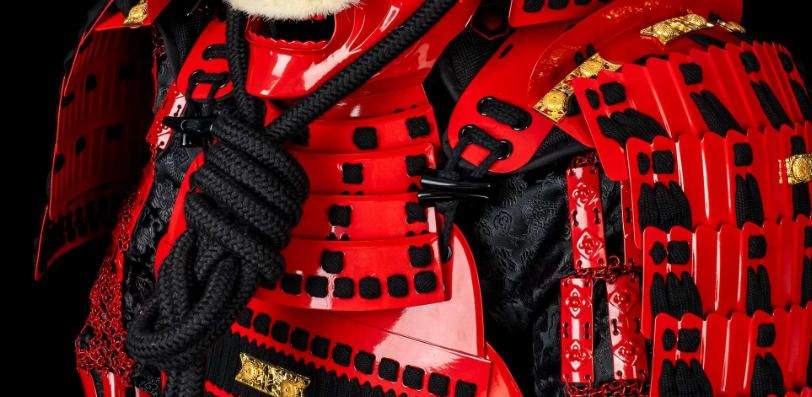
Handgemachte Tokugawa Clan Rote Samurai-Rüstung, Full-Size Yoroi, Japanisches Kriegerset

Fazit: Warum die Tokugawa-Samurai-Rüstung so faszinierend bleibt
Auch lange nachdem die Ära der Kriegsführung beendet ist, nimmt die Samurai-Rüstung des Tokugawa-Clans weiterhin eine bedeutende Position in der weltweiten Sammlung und Kulturforschung ein.
Denn sie ist mehr als nur Rüstung – sie ist ein Symbol der institutionellen Zivilisation.
Sie steht für:
- Ordnung und Stabilität
- Autorität und Herrschaft
- Fortführung des Samurai-Geistes
- Den historischen Abschluss der Edo-Übergangszeit
Für Sammler bedeutet der Besitz einer Tokugawa-Rüstung nicht einfach den Erwerb eines Artefakts – es ist die Bewahrung einer physischen Darstellung Japans Ära der Ordnung und zentralisierten Macht.
-
Veröffentlicht in
Samurai Armor

