


Free Shipping
Supports worldwide free shipping
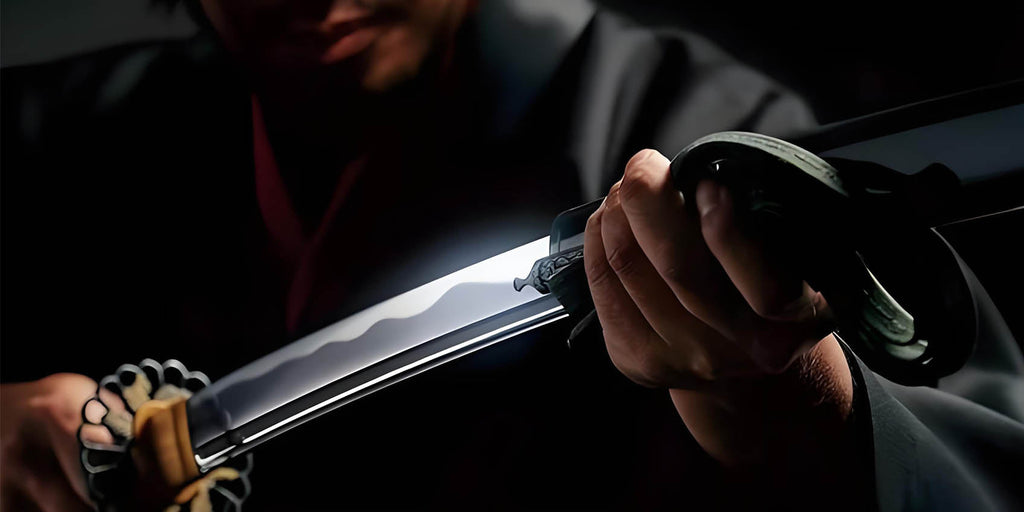
Once you have acquired a beloved japanese sword, how should you maintain it? Proper maintenance not only extends the sword's lifespan but also preserves its unique aesthetic value. Below are key maintenance steps and techniques to help you effectively manage and protect your japanese sword. Step One: Prepare Tools Before beginning maintenance on your samurai sword, ensure you have the following essential tools ready: - Powder ball...
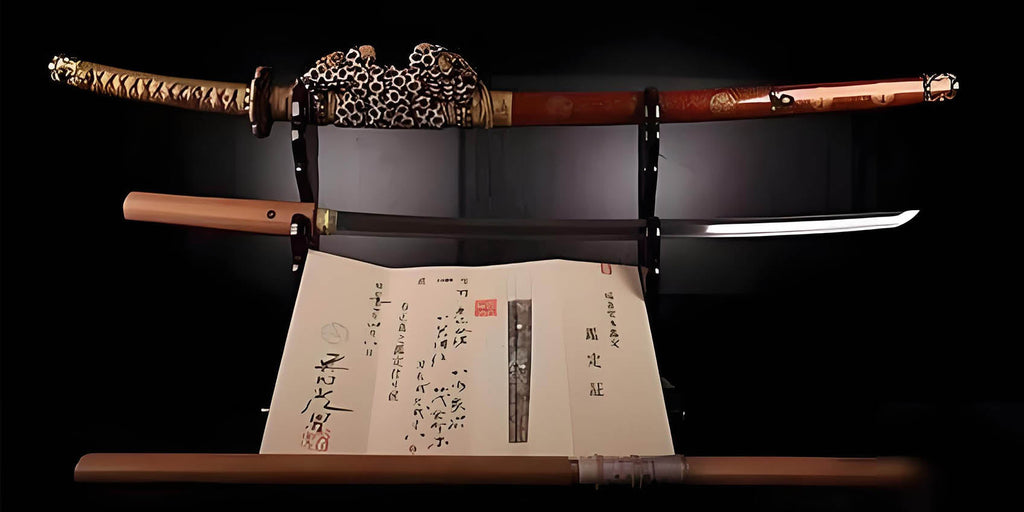
Is a katana a samurai sword? People often refer to ‘katana’ as a samurai sword. let's now explore the types and history of forging techniques used in samurai swords. Exploring the Types and History of Samurai Sword Forging The art of forging katana embodies highly refined techniques and a rich historical heritage. From meticulously crafting the blade to tempering and intricate polishing, each step reflects a pursuit of...
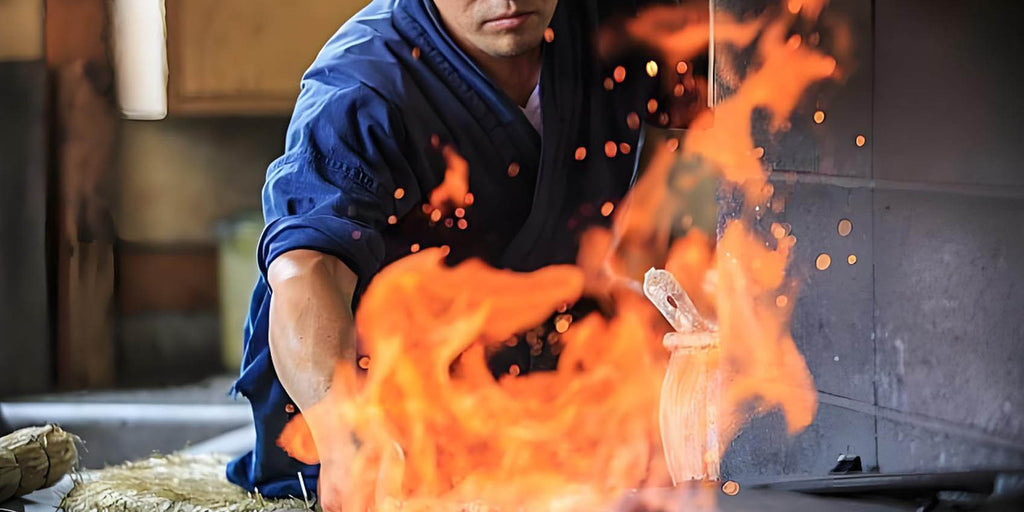
how to hand forge a samurai sword The previous article provided a detailed description of the material preparation process in Japanese sword making, while this article continues to explore the subsequent stages of the manufacturing process. Detailed Explanation of Japanese Sword Making Process Sunobe (Forging the Blade) Japanese sword making begins with the sunobe stage, where the smith heats and repeatedly hammers and folds the iron ingot...
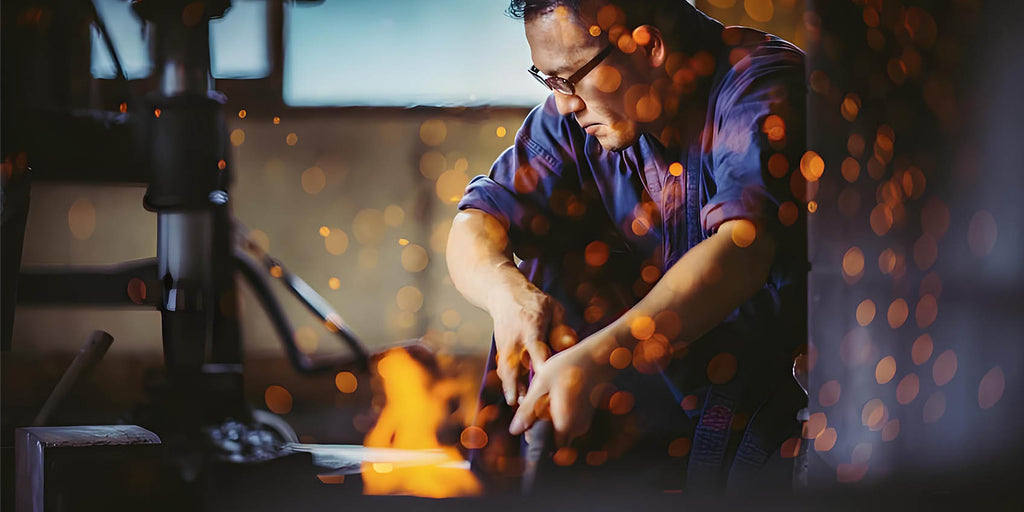
Japanese sword making begins with material selection and the smelting of tamahagane, also known as ‘tamahagane’ or ‘wakou.’ Traditional low-temperature smelting methods are used to produce this special steel in regions like Shimane Prefecture, Japan. Despite appearing primitive compared to modern high-temperature steelmaking, this method preserves the high quality and exceptional toughness of the steel. The smelting process takes place in traditional furnaces known as ‘furnace,’ meticulously controlling each step...