


Free Shipping
Supports worldwide free shipping

Crafting the Samurai Sword: Sageo (Knife Cord): Comprehensive Overview of Construction, History, Types, and Tying Methods Construction and Materials: Sageo, an integral part of traditional Japanese sword accessories, is typically crafted from silk or cotton, with lengths ranging from approximately 180 to 240 centimeters. Depending on the specific sword and ceremonial attire, flat-woven leather cords or straps may also be utilized. Forms: The design of sageo varies...
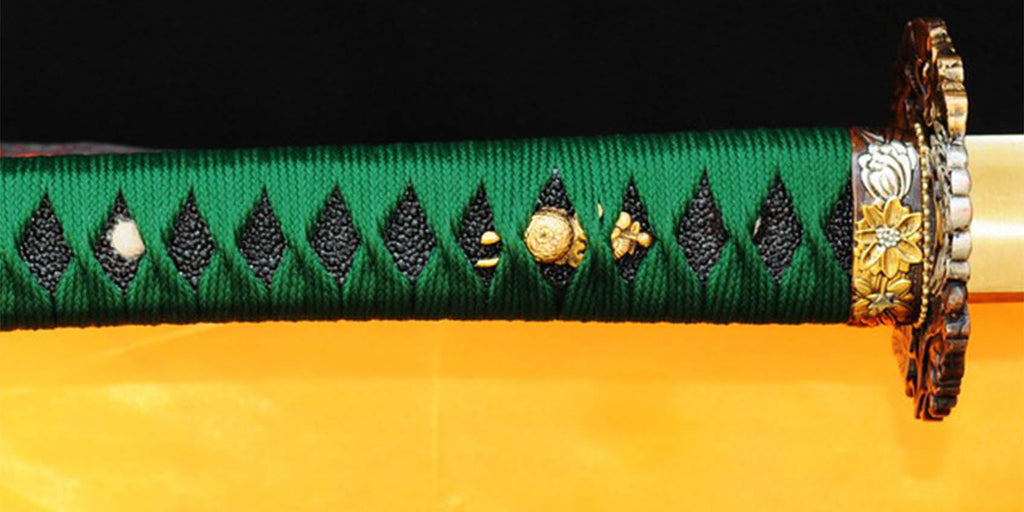
Crafting the Samurai Sword: Tsukamaki (ITO) Essence Japanese swords are renowned worldwide for their exquisite craftsmanship and profound cultural significance. Among the many intricate aspects of these weapons, the tsukamaki (柄巻), or the wrapping of the sword handle, stands out as a unique blend of artistry and functionality. This article delves into the meaning, types, and process of tsukamaki, as well as the essence of customizing a samurai sword, guiding...

Exploring Tsuka: Essential Rayskin for Samurai Sword Handles It is said in Japanese swordsmithing , the tsuka (handle) plays a crucial role in both functionality and aesthetics. One of the key materials used in crafting the tsuka is ray skin, known as samegawa, which is often referred to as ‘shark skin’ in domestic contexts. This skin, sourced from stingrays native to the South Seas, features a surface covered in tiny,...
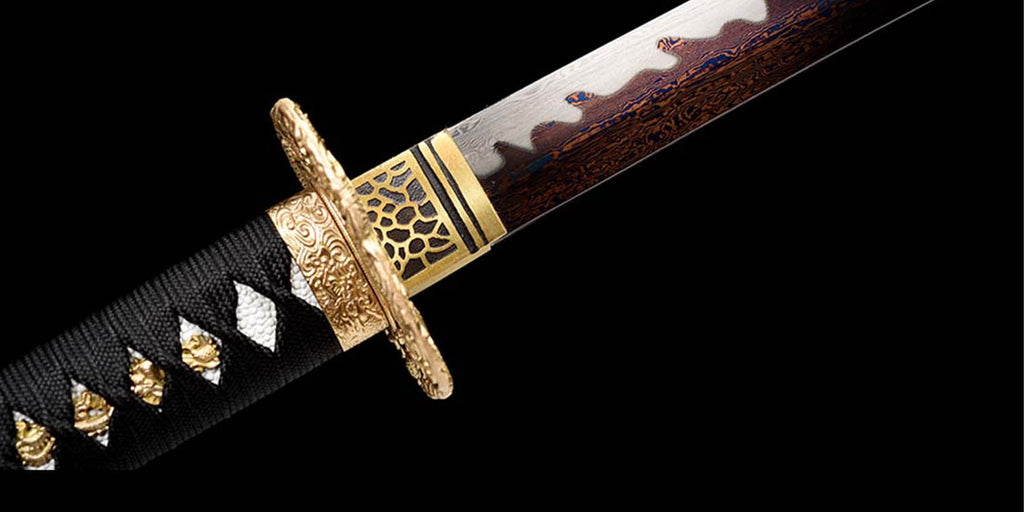
In Samurai sword craftsmanship, habaki, also known as the blade collar or blade guard, plays a pivotal role. Positioned between the blade and the tsuba (handguard), habaki not only ensures the sword's structural integrity but also enhances its aesthetic appeal, particularly during the customization of samurai swords. Function and Types of Habaki The primary function of habaki is to secure the blade within the saya (scabbard) and reduce impact during...