


Red Hannya Oni Mask Meaning, History & Japanese Demon Mask Guide
- Posted by COOLKATANA
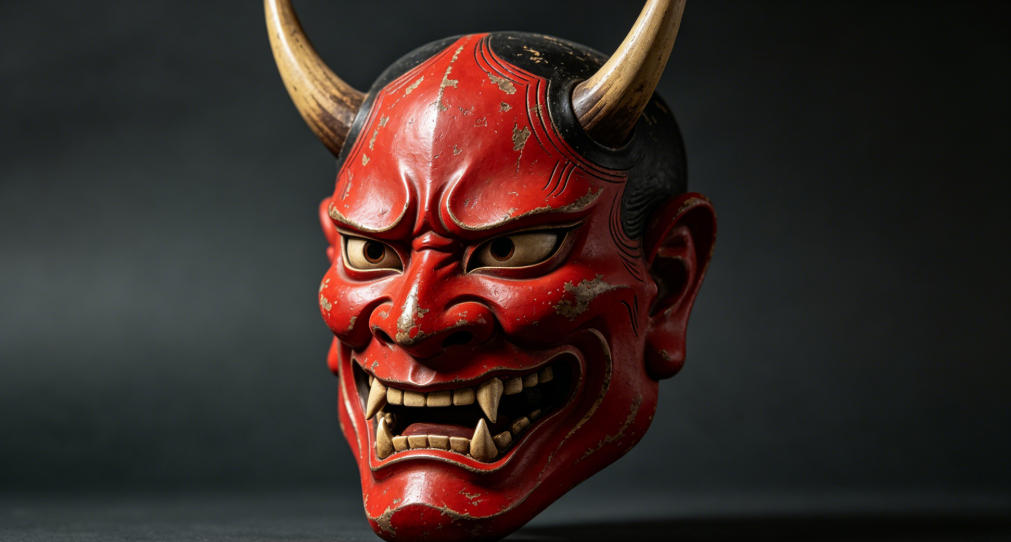
What Does the Red Hannya Oni Mask Mean and Why Is It So Popular in Japanese Demon Mask Culture?
In Japanese samurai culture, yokai folklore, anime design, and the global collectibles market, the term Japanese demon mask is a highly searched keyword.
One of the most iconic examples is the:
Hannya (般若) Oni Mask
Especially the Red Japanese Hannya Devil Ghost Oni Mask, which has become a powerful symbol in anime, tattoo culture, game design, and modern art due to its intense visual impact and deep cultural meaning.
This article explores its origins, symbolism, craftsmanship, color meanings, and modern cultural influence in detail.
What Is a Japanese Demon Mask?
The term Japanese demon mask generally refers to traditional Oni masks in Japanese culture.
Common types include:
- Hannya mask (female demon mask)
- Oni mask (general demon mask)
- Tengu mask (mountain spirit mask)
- Kabuki demon mask (theatrical demon mask)
These masks originate from:
- Noh theater
- Shinto rituals
- Exorcism traditions
- Japanese folklore and yokai mythology
They are not simply 'horror decorations,' but symbolic cultural artifacts representing emotion, spirit, and supernatural power.

The True Meaning of the Hannya Mask
The Hannya mask is one of the most psychologically complex forms within Japanese demon mask culture.
In traditional Noh theater, Hannya is not a pure demon, but a tragic figure:
👉 A female spirit who transforms into a demon due to overwhelming jealousy, pain, love-hate emotions, and uncontrollable obsession.
Its essence is not inherent evil, but emotional collapse at its extreme.
It represents a transformation process:
human → emotional breakdown → demon
Emotional Transformation of Humanity
The symbolic evolution of Hannya is deeply psychological:
- Love turns into obsession
- Obsession turns into jealousy
- Jealousy becomes rage
- Rage evolves into irreversible madness
Eventually, the human mind is consumed by emotion, resulting in a complete transformation into a demon.
Therefore, Hannya is not just a monster—it is a representation of emotional destruction.
Dual Nature of the Mask
One of the most unique aspects of the Hannya mask is its dual perception:
- From the front: a sorrowful human face 😔
- From different angles: a terrifying demon 😈
This visual duality is essential in traditional performances, symbolizing that the boundary between human and demon is fragile and unstable.
A Symbol of Emotional Tragedy
In many traditional stories, Hannya is linked to tragic love narratives:
- Unfulfilled love
- Betrayal
- Rejection
- Extreme possessiveness
As these emotions accumulate, they ultimately lead to psychological destruction.
Thus, the Hannya mask is often interpreted as:
👉 A visual representation of being consumed by emotions
Humanity vs Demon Nature
At a deeper cultural level, Hannya raises an important question:
👉 Where does humanity end, and where does monstrosity begin when emotions spiral out of control?
This is why the Hannya mask is widely used in modern culture as a symbol of:
- Inner demons
- Emotional struggle
- Psychological conflict
- Human vulnerability
Symbolism of Red Japanese Demon Mask
In Oni mask culture, color plays an essential symbolic role.
🔴 Red Hannya Mask
Represents:
- Extreme rage
- Obsession
- Aggressive energy
- Destructive emotion
It is considered the most intense and powerful version.
⚫ Black Oni Mask
- Mystery
- Dark power
- Fear and intimidation
⚪ White Hannya Mask
- Calm exterior
- Suppressed emotion
- Spiritual transformation
Therefore, the red version is often seen as:
👉 The most aggressive and combat-oriented Japanese demon mask
Oni Mask and Samurai Culture
During the samurai era, the Japanese demon mask was not only used in theater or rituals—it was deeply integrated into battlefield psychology and identity symbolism.
In warfare, samurai armor (Samurai Armor) often featured demon-like decorations on helmets (Kabuto). These designs were not for decoration alone, but to create psychological intimidation, making enemies feel fear before combat even began.
Beyond battlefield use, Oni imagery also carried protective symbolism. Some samurai clans viewed demon figures as guardians representing strength and protection rather than pure evil, incorporating them into banners, family crests, and weapon designs.
At a psychological level, wearing or displaying a Hannya mask was believed to strengthen a warrior’s mindset, transforming anger and determination into focused combat energy.
Thus, Oni masks were not merely accessories—they were a form of mental armor combining fear, belief, and warrior spirit.

Design Features of Hannya Oni Masks
High-quality Japanese demon masks typically include:
Facial Structure
- Distorted angry expression
- Sharp fangs
- Dramatic eyes
- Curved horns
Craftsmanship
- Hand-carved wood or resin
- Layered paint gradients
- Metallic finishing effects
- Antique weathering style
- High contrast shading
Red Version Enhancements
Red Hannya masks often emphasize:
- Strong shadow depth
- Blood-like gradients
- Darkened eye sockets
- High saturation contrast
Creating a more aggressive visual identity.
Japanese Demon Mask in Modern Culture
Today, the Hannya mask has evolved into a global visual symbol across multiple industries.
It is no longer just traditional heritage, but a modern design language representing emotion, power, and psychological depth.
Gaming Industry
In modern games, Japanese demon masks are commonly used for:
- Final boss character designs
- High-level demon enemies
- Samurai villain archetypes
- Fallen warrior storylines
The mask instantly communicates danger and emotional instability without dialogue.
Anime and Film
In anime and cinema, Hannya masks represent:
- Transformation into demons or spirits
- Dark versions of samurai or ninja characters
- Psychological revenge themes
- Supernatural yokai storytelling
Visually, they are often combined with fire, blood, cracks, and shadow effects to enhance emotional intensity.
Tattoo Culture
In global tattoo art, Hannya is one of the most iconic Japanese demon mask designs.
Common meanings include:
- Control of anger
- Overcoming inner demons
- Emotional duality of love and hate
- Human psychological conflict
Popular search terms include:
- Japanese demon mask tattoo
- Hannya mask tattoo meaning
- Oni mask tattoo design
- Samurai demon tattoo sleeve
Tattoo designs often combine Hannya with snakes, cherry blossoms, flames, or swords, forming a narrative of power, pain, and rebirth.
Streetwear and Digital Art
In modern fashion and digital art, Japanese demon masks are widely used in:
- Streetwear graphic designs
- Hoodie and T-shirt prints
- Conceptual digital illustrations
- NFT and 3D character visuals
The bold contrast, sharp lines, and emotional expression make them ideal for high-impact visual branding.
Collectible Value of Japanese Demon Masks
With increasing global interest in Japanese culture, Hannya masks have become popular collectible items.
They are used for:
- Home decoration with samurai aesthetics
- Cosplay accessories for samurai or demon characters
- Cultural and artistic display pieces
- Symbolic spiritual decoration
Why Is the Hannya Mask So Popular?
There are three main reasons:
1. Strong Visual Impact
Red color, demon horns, and aggressive facial design create instant recognition.
2. Deep Emotional Symbolism
It represents not just a demon, but a complex mix of emotion, humanity, and obsession.
3. Cross-Cultural Adaptability
It has successfully moved from traditional theater into anime, games, fashion, and global pop culture.
Conclusion
The Japanese demon mask is far more than a traditional artifact—it is a cultural system that spans centuries.
Among them, the red Hannya Oni Mask represents the most intense emotional expression and warrior symbolism.
It combines:
- Japanese Noh theater tradition
- Samurai warrior culture
- Oni folklore mythology
- Modern digital and pop culture design
Whether for collecting, decoration, or cultural study, it remains one of the most powerful visual symbols in Japanese heritage.

