


Sanada Nobuyuki Red Horned Samurai Armor: History & Bushido Spirit
- Posted by COOLKATANA
What Is Sanada Nobuyuki Red Horned Samurai Armor and Why Does It Symbolize Samurai Loyalty?
Throughout the history of Japan’s Sengoku Period (Warring States Era), the Sanada Clan has remained one of the most legendary samurai families. Unlike many powerful warlords who rose through overwhelming military strength, the Sanada family survived and made their mark through intelligence, strategic thinking, and an unwavering will to endure in a time of constant conflict.
Among the most important figures of the Sanada Clan was Sanada Nobuyuki (真田信之). Unlike his younger brother Sanada Yukimura , who became famous for his fearless battlefield charges and heroic final stand, Nobuyuki was admired for his exceptional political judgment, calm military strategies, and dedication to preserving his family’s legacy.
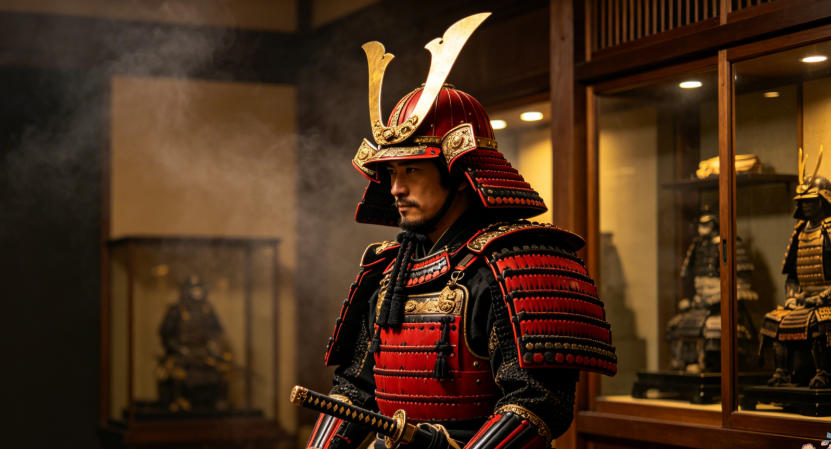
The Sanada Nobuyuki Red Horned Samurai Armor represents more than a beautifully crafted piece of Japanese Samurai Armor. It symbolizes the loyalty, courage, wisdom, and responsibility valued by samurai warriors during the Sengoku era.
Featuring striking red armor, an impressive Horned Samurai Helmet / Kabuto, and the unique symbols of the Sanada family, this armor showcases the powerful presence and noble spirit of Sanada warriors.
Today, the Red Horned Samurai Armor has become a highly admired piece among historical collectors, Japanese culture enthusiasts, and samurai armor collectors around the world.
Who Was Sanada Nobuyuki? One of the Wisest Warriors of the Sengoku Era
Sanada Nobuyuki (1566–1658) was an important samurai warrior from the late Sengoku Period to the early Edo Period. He was the eldest son of Sanada Masayuki and the older brother of the legendary Sanada Yukimura.
The Sanada family originally came from the Shinano region (modern-day Nagano Prefecture) and was a relatively small warrior clan. During the age when the powerful forces of Oda, Toyotomi, and Tokugawa competed for control of Japan, smaller clans needed more than military power to survive — they needed strategy, diplomacy, and careful decision-making.
From a young age, Sanada Nobuyuki received traditional samurai training and learned:
- Samurai warfare tactics
- Castle defense strategies
- Political diplomacy
- Clan leadership
- Bushido Code and samurai values
Unlike his younger brother Yukimura, Nobuyuki followed a more cautious and strategic path.
Through cooperation with powerful political forces, he successfully protected the Sanada family and ensured that the clan survived into the peaceful Edo period.
The Sanada Clan: A Strategic Samurai Family in a Chaotic Era
The Sanada Clan was one of the most famous smaller samurai families of Japan’s Sengoku Period.
Although the Sanada territory was not large, the clan became famous for creating victories against much stronger enemies through brilliant military strategies.
Sanada Nobuyuki’s father, Sanada Masayuki, was considered one of the greatest strategists of the Sengoku era.
He became famous for the:
Battle of Ueda
During this battle, Masayuki successfully defeated the powerful Tokugawa army despite being heavily outnumbered.
This victory established the reputation of the Sanada Clan and demonstrated their extraordinary military intelligence.
Growing up in such an environment, Sanada Nobuyuki inherited his father’s strategic mindset and developed his own political wisdom.

The Historical Meaning of Sanada Nobuyuki Red Horned Samurai Armor
In Japanese samurai culture, Samurai Armor was never simply a piece of battlefield protection.
For samurai warriors, armor represented:
- Clan identity
- Samurai honor
- Warrior spirit
- Loyalty and responsibility
- Samurai status
High-ranking warriors often created unique armor designs using special colors, helmet shapes, and family crests to display their identity and reputation.
The greatest feature of the Sanada Nobuyuki Red Horned Samurai Armor is the combination of Sanada family dignity and traditional samurai values.
Why Did Sanada Nobuyuki’s Armor Use Red and Horned Designs?
Red held a deep symbolic meaning in Japanese samurai culture.
It represented:
- Bravery
- Strength
- Warrior passion
- Honor
- Determination
On the battlefield, red armor created a powerful visual presence and allowed commanders to become symbols of courage for their troops.
Besides the red color, one of the most recognizable features of this armor is the:
Horned Samurai Helmet (Kabuto)
The horn decorations on Japanese samurai helmets were not only decorative. They also represented:
- Warrior authority
- Battlefield power
- Samurai identity
Many high-ranking samurai used unique Kabuto Samurai Helmets to express their personality, status, and family honor.
Sanada Nobuyuki and the Battle of Sekigahara: A Decision That Changed History
The Battle of Sekigahara (1600) was one of the most important battles in Japanese history, determining the future ruler of Japan.
At that time, Japan was divided between:
- The Western Army (supporting the Toyotomi cause)
- The Eastern Army (supporting Tokugawa Ieyasu)
The Sanada family faced an extremely difficult decision.
Sanada Masayuki and Sanada Yukimura chose to support the Western Army, while Sanada Nobuyuki joined the Eastern Army led by Tokugawa Ieyasu.
Although this decision divided the Sanada family politically, it ultimately helped preserve the clan’s future.
After the Battle of Sekigahara, Tokugawa Ieyasu established the Edo Shogunate, beginning a long period of peace in Japan.
Because of his loyalty and abilities, Sanada Nobuyuki continued to prosper and became an important daimyo during the Edo period.
Sanada Nobuyuki and Sanada Yukimura: Two Heroes, Two Different Paths
In Japanese history, the Sanada brothers are often discussed together.
Sanada Yukimura represents:
- Heroic battles
- Ultimate loyalty
- Samurai sacrifice
While:
Sanada Nobuyuki represents:
- Wise decisions
- Protection of family
- Long-term strategy
Their choices were different, but both reflected important aspects of the samurai spirit.
One pursued battlefield glory, while the other protected the survival of his family.
This contrast is what makes the story of the Sanada Clan so fascinating.
Design Features of Sanada Nobuyuki Samurai Armor
Modern collectible Sanada Nobuyuki Samurai Armor Replica pieces combine traditional Japanese armor design with modern craftsmanship.
1. Red Armor Design
The red armor represents strength, leadership, and the commanding presence of a samurai warrior.
Combined with black and gold details, it creates a powerful and elegant appearance.
2. Horned Kabuto Helmet
The horned helmet is one of the most recognizable visual elements of this armor.
It not only enhances the warrior’s presence but also reflects traditional Japanese samurai aesthetics.
3. Sanada Clan Crest Design
The famous symbol of the Sanada family is:
Rokumonsen Crest (Six Coins Crest)
It represents:
- Fearlessness toward death
- Loyalty and belief
- Samurai honor
This crest became one of the most recognizable symbols associated with the Sanada Clan.

Traditional Craftsmanship of Japanese Samurai Armor
Traditional Japanese armor was an art form that combined practical protection with incredible craftsmanship.
A complete set of Samurai Armor usually included:
Kabuto (Helmet)
Protecting the warrior’s head while displaying identity and rank.
Dō (Chest Armor)
Protecting the central body area.
Sode (Shoulder Armor)
Providing additional protection.
Kote (Arm Armor)
Protecting the arms during combat.
Kusazuri (Skirt Armor)
Protecting the lower body while allowing mobility.
Traditional armor making involved:
- Metal plates
- Leather materials
- Japanese lacquer
- Silk cords
- Handmade engraving
These techniques represent the artistic heritage of Japanese warrior equipment.
The Modern Collecting Value of Sanada Nobuyuki Red Horned Samurai Armor
Today, the Sanada Nobuyuki Red Horned Samurai Armor has become a popular theme among Japanese history collectors.
Collectors appreciate it for several reasons:
1. Rich Historical Background
It connects with:
- Sanada Clan History
- Sengoku Period
- Samurai Culture
- Bushido Philosophy
Making it a historical artwork filled with stories and meaning.
2. Unique Collector Appeal
The combination of red armor and a horned helmet makes it ideal for:
- Home display collections
- Japanese cultural exhibitions
- Historical photography
- Samurai cosplay
- Collector-grade displays
3. Symbol of Samurai Values
Beyond its artistic beauty, this armor represents:
- Loyalty
- Wisdom
- Courage
- Responsibility
These values remain at the heart of Japanese samurai culture.
Handmade Life-Size Sanada Nobuyuki Clan Samurai Armor – Red Yoroi

Conclusion: Sanada Nobuyuki Red Horned Samurai Armor — A Symbol of Wisdom and Loyalty
The Sanada Nobuyuki Red Horned Samurai Armor is not only a piece of Japanese historical warrior equipment but also a symbol of family, loyalty, and wisdom.
From the Sanada Clan’s struggle during the Sengoku era to the preservation of the family after the Battle of Sekigahara, Sanada Nobuyuki demonstrated another form of samurai greatness.
A true samurai is not defined only by battlefield victories, but also by the ability to make difficult choices and protect one’s beliefs during challenging times.
Hundreds of years later, this legendary Red Horned Samurai Armor continues to represent the core values of Japanese warrior culture:
Bushido Spirit — Loyalty, Courage, Wisdom, and Honor.

