


Sanada Nobuyuki Samurai Armor: Japanese Samurai Armor History Guide
- Posted by COOLKATANA
What Makes Sanada Nobuyuki Samurai Armor a Symbol of Japanese Warrior Spirit?
The Story Behind Sanada Nobuyuki Samurai Armor
When people search for samurai armor, they often imagine the powerful warriors of feudal Japan wearing impressive helmets, protective plates, and carrying legendary swords on the battlefield. Among the many famous samurai figures in Japanese history, Sanada Nobuyuki represents wisdom, loyalty, leadership, and the true spirit of the samurai warrior.
The armor worn by samurai was not only designed for protection. It represented the identity, family heritage, social status, and personal beliefs of each warrior. The armor of a samurai combined advanced craftsmanship with symbolic designs, creating one of the most recognizable forms of historical warrior equipment in the world.
Unlike European knight armor or Viking warrior protection, traditional japanese armor focused on mobility, flexibility, and artistic expression. Samurai needed armor that allowed them to move quickly during battles while maintaining enough protection against swords, arrows, and spears.
Today, Japanese samurai armor continues to attract historians, collectors, martial arts enthusiasts, and fans of Japanese culture. Many people search for samurai armor for sale because these armor sets represent not only historical weapons but also the honor and spirit of ancient Japanese warriors.
Who Was Sanada Nobuyuki? A Samurai Leader of Honor and Strategy
Sanada Nobuyuki was a famous Japanese samurai warrior and daimyo who lived during the late Sengoku period and early Edo period. He was the eldest son of Sanada Masayuki and the brother of the legendary samurai Sanada Yukimura.
The Sanada family was known for its military intelligence, strategic skills, and strong warrior traditions. Unlike many samurai who relied only on battlefield strength, Sanada Nobuyuki became respected for his political wisdom and ability to survive during one of Japan’s most unstable historical periods.
His life reflected the complicated choices faced by samurai during times of conflict. Loyalty, family relationships, and survival were all important values within the samurai world.
The armor associated with Sanada Nobuyuki represents more than battlefield protection. It symbolizes the discipline, responsibility, and warrior philosophy that defined the samurai class.
For collectors interested in samurai japanese armor, Sanada Nobuyuki’s armor style provides a fascinating example of how personal identity and warrior culture were combined into traditional armor design.

What Makes Samurai Armor Unique?
The design of samurai armor developed over hundreds of years and changed according to battlefield needs. Unlike heavy European medieval armor, which often focused on maximum protection with metal plates covering the entire body, Japanese armor emphasized balance between defense, flexibility, and movement.
Traditional armor for samurai was usually made from multiple small plates connected with silk cords or leather. This construction method allowed warriors to move freely while still protecting important areas of the body.
A typical samurai armor set included:
- Kabuto (samurai helmet)
- Menpo (face mask)
- Do (chest armor)
- Kote (arm protection)
- Suneate (shin guards)
- Haidate (thigh protection)
- Kusazuri (lower body armor)
Each part had both practical and artistic value. Samurai armor makers carefully designed patterns, colors, and decorations to represent family symbols, clan identity, and personal beliefs.
The result was a unique combination of battlefield equipment and cultural artwork.
Samurai Armor vs Knight Armor and Viking Armor
Throughout history, warriors around the world developed different styles of protection. Comparing samurai armor, knight armor, and viking armor reveals the different fighting environments and cultural values behind each design.
Samurai Armor
Japanese samurai armor focused on mobility and adaptability. Samurai warriors needed to fight with swords, bows, and spears while maintaining speed and flexibility.
Characteristics of Japanese samurai armor include:
- Lightweight construction
- Layered protective plates
- Decorative helmets
- Flexible movement
- Strong cultural symbolism
Knight Armor
European knight armor developed during the medieval period and focused heavily on protecting knights during close combat. Full plate armor provided excellent defense against swords and other weapons but was generally heavier than traditional Japanese designs.
Compared with samurai armor, medieval knight armor usually covered more of the body with larger metal plates.
Viking Armor
Viking armor was designed for warriors who participated in raids and naval battles. Compared with Japanese and European armor, Viking protection was often simpler, commonly using chainmail, helmets, shields, and leather equipment.
While all three armor traditions served the purpose of protecting warriors, they reflected different cultures, technologies, and battlefield strategies.
The Symbolism Behind Japanese Samurai Armor
The armor of a samurai was never just a protective suit. Every detail could carry meaning.
Samurai helmets often featured unique designs such as:
- Horn decorations
- Animal symbols
- Family crests
- Mythical creatures
These decorations helped warriors show their identity and intimidate opponents on the battlefield.
Many famous samurai armor designs represented values such as:
- Courage
- Loyalty
- Honor
- Strength
- Leadership
For this reason, traditional japanese samurai armor remains popular among collectors who appreciate both historical accuracy and artistic beauty.
Sanada Nobuyuki Samurai Armor Design and Warrior Legacy
The armor style connected with Sanada Nobuyuki reflects the elegance and discipline of the samurai elite. Unlike simple battlefield equipment, high-ranking samurai armor was carefully designed to display authority and prestige.
The Sanada clan became famous for its distinctive warrior identity, and their armor represented their determination and military tradition.
A detailed samurai armor set inspired by historical figures like Sanada Nobuyuki allows modern enthusiasts to experience the appearance and spirit of ancient Japanese warriors.
Modern reproductions often combine traditional designs with modern craftsmanship, making them suitable for:
- Historical collections
- Museum displays
- Cultural exhibitions
- Photography
- Cosplay
- Home decoration
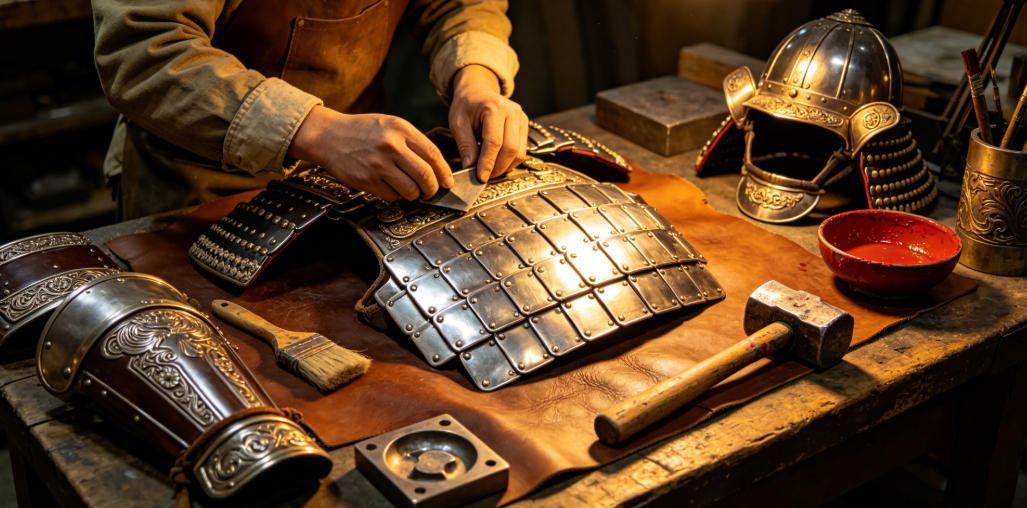
The Craftsmanship Behind Traditional Japanese Armor
Creating authentic samurai armor required highly skilled craftsmen. Armor makers needed knowledge of metalworking, leather production, textile design, and traditional Japanese decoration techniques.
The production process included:
- Designing armor plates according to the warrior’s needs
- Creating protective metal or leather components
- Connecting pieces with traditional cords
- Adding decorative elements
- Finishing the helmet and armor details
High-quality traditional samurai armor represents the same dedication to craftsmanship found in Japanese sword making.
Just like a handmade Katana, a carefully crafted armor set demonstrates the patience, precision, and artistic values of Japanese artisans.

Why Collectors Love Japanese Samurai Armor Today
Interest in japanese armor continues to grow worldwide. Collectors, historians, and Japanese culture enthusiasts appreciate these armor pieces because they represent a unique connection to the past.
People searching for samurai armor for sale are often interested in:
- Authentic historical designs
- Display armor collections
- Samurai culture
- Japanese history
- Warrior craftsmanship
A complete samurai armor set can become a centerpiece for collections, exhibitions, or themed interiors.
Whether inspired by Sanada Nobuyuki, Sanada Yukimura, Date Masamune, or other legendary warriors, Japanese armor continues to represent the timeless spirit of the samurai.
Japanese Samurai Armor for Sale: Find Authentic Warrior Armor Sets
For collectors, history enthusiasts, and fans of Japanese culture, searching for japanese samurai armor for sale is not only about purchasing a decorative item but also about owning a piece of warrior history. Traditional japanese samurai armor represents the courage, discipline, and craftsmanship of the samurai class, making it a valuable addition to collections, exhibitions, and cultural displays.
A complete samurai armor set usually includes a detailed Kabuto helmet, Menpo face mask, chest armor, arm guards, leg protection, and decorative accessories. Modern reproductions of armor for samurai are carefully designed based on historical references, combining traditional Japanese aesthetics with practical craftsmanship.
When choosing japanese samurai armor for sale, collectors often consider factors such as historical accuracy, material quality, craftsmanship, and overall design. Whether inspired by famous warriors like Sanada Nobuyuki, Sanada Yukimura, or Date Masamune, a well-crafted samurai armor set can showcase the powerful spirit and unique beauty of ancient Japanese warriors.
Compared with European knight armor, medieval armor, or viking armor, Japanese samurai armor has its own distinctive style, featuring lightweight construction, flexible movement, and highly detailed artistic decoration. This combination of functionality and visual appeal is why japanese samurai armor remains one of the most popular historical armor choices among collectors worldwide.
Today, japanese samurai armor for sale options allow enthusiasts to explore the legacy of feudal Japan and bring the spirit of the samurai warrior into their collections, homes, museums, or themed displays.
Handmade Life-Size Sanada Nobuyuki Clan Samurai Armor With Antlers

Conclusion: The Lasting Legacy of Sanada Nobuyuki Samurai Armor
Sanada Nobuyuki’s legacy represents the intelligence, loyalty, and discipline that defined the samurai warrior. His armor symbolizes more than protection—it represents a complete warrior philosophy built around honor and responsibility.
From the detailed construction of samurai japanese armor to the powerful symbolism behind every design element, Japanese armor remains one of the most fascinating forms of historical warrior equipment.
Compared with knight armor, medieval armor, and viking armor, traditional samurai armor stands apart because of its unique combination of functionality, flexibility, and artistic beauty.
For collectors searching for samurai armor for sale, historical enthusiasts studying Japanese samurai armor history, or anyone fascinated by the warrior spirit of feudal Japan, Sanada Nobuyuki’s armor continues to inspire generations around the world.

