


Sanada Yukimura Red Samurai Armor: History, Meaning & Bushido Spirit
- Posted by COOLKATANA
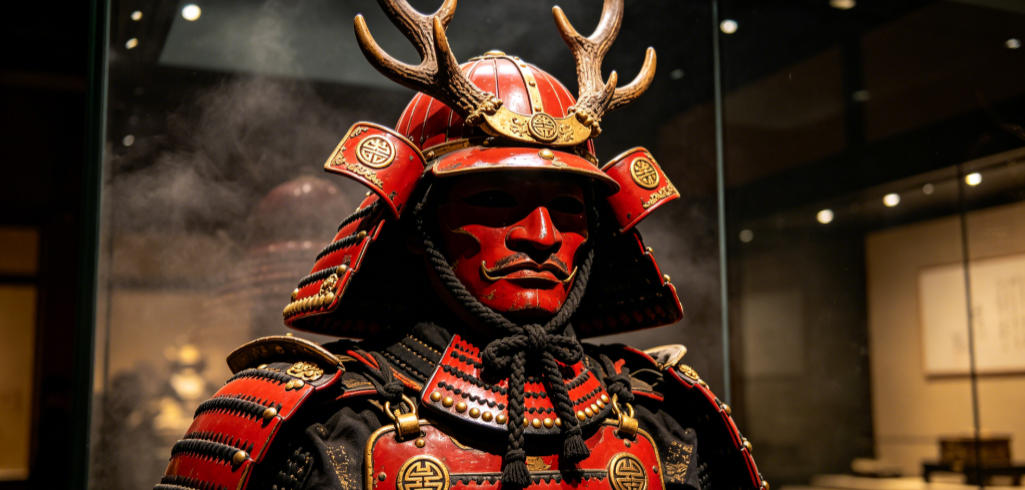
What Is Sanada Yukimura Red Samurai Armor and Why Is It a Symbol of Samurai Honor?
Throughout the long and turbulent history of Japan’s Sengoku Period, countless warriors fought for their clans, territories, and beliefs. Among them, Sanada Yukimura remains one of the most legendary figures. Although he never built a vast domain or became a ruler of Japan, his exceptional military talent, unwavering loyalty, and fearless determination against overwhelming enemies earned him the title of 'The Last Hero of the Warring States.'
His iconic image — the Sanada Yukimura Red Samurai Armor — has become far more than a simple piece of battlefield equipment. It represents Japanese warrior culture, the spirit of Bushido, and the heroic ideals of the Sengoku era.
The striking red armor, the powerful Kabuto Samurai Helmet, and the famous Rokumonsen Crest of the Sanada clan together created the legendary image of Sanada Yukimura in Japanese history and folklore. Today, this Red Samurai Armor continues to attract historical collectors, Japanese culture enthusiasts, and samurai armor collectors around the world.
Who Was Sanada Yukimura? The Legendary Warrior of Japan’s Sengoku Era
Sanada Yukimura, whose real name was Sanada Nobushige, was born in 1567 and became one of the most important warriors of the Sanada clan during Japan’s Sengoku Period.
The Sanada clan originally came from the Shinano region (modern-day Nagano Prefecture) and was a small but powerful local warrior family. Surrounded by major powers such as the Oda, Toyotomi, and Tokugawa clans, the Sanada family had to rely on intelligence, diplomacy, and military strategy to survive during the chaotic age of samurai warfare.
Sanada Yukimura’s father, Sanada Masayuki, was a brilliant strategist and powerful daimyo, often regarded as one of the greatest military tacticians of the Sengoku era. He famously defeated much larger Tokugawa forces with limited troops, establishing the Sanada clan as a respected force in Japanese history.
Growing up in such a warrior family, Sanada Yukimura received strict samurai training from an early age, including:
- Japanese swordsmanship
- Samurai warfare strategy
- Horse riding techniques
- Samurai code and etiquette
- Clan loyalty and warrior values
These experiences shaped him into one of Japan’s most respected samurai commanders.

Sanada Yukimura and the Siege of Osaka: The Last Glory of a Samurai Warrior
The most famous chapter of Sanada Yukimura’s life took place during the Osaka Siege (1614–1615).
After decades of conflict during the Sengoku era, Japan gradually came under the control of Tokugawa Ieyasu, who established the Tokugawa Shogunate.
However, the Toyotomi clan still remained a potential threat to Tokugawa rule. To completely eliminate the remaining Toyotomi resistance, Tokugawa Ieyasu launched the Winter and Summer Campaigns of Osaka.
During the defense of Osaka Castle, Sanada Yukimura joined the Toyotomi forces and created the legendary defensive position:
Sanada Maru
Located on the southern side of Osaka Castle, Sanada Maru was a powerful independent fortification designed and commanded by Sanada Yukimura.
Facing a Tokugawa army that greatly outnumbered his own, Sanada Yukimura used:
- Strategic terrain advantages
- Defensive structures
- Brilliant battlefield tactics
- Strong warrior morale
to successfully repel multiple attacks from the Tokugawa forces.
This battle made his name famous throughout Japan and proved that he was not only a fearless warrior but also an exceptional military commander.
Sanada Yukimura’s Final Battle: A Symbol of Samurai Loyalty
The Summer Siege of Osaka in 1615 became the final battle of Sanada Yukimura’s life.
Facing Tokugawa Ieyasu’s massive army, the Toyotomi forces were already at a severe disadvantage. However, Sanada Yukimura chose to continue fighting until the very end.
According to historical records, he led a famous final assault and came dangerously close to Tokugawa Ieyasu’s main command position.
Although he was ultimately defeated, his courage and determination shocked both allies and enemies.
Even Tokugawa Ieyasu recognized Sanada Yukimura as an extremely dangerous and honorable opponent.
His death did not erase his legacy. Instead, it transformed him into one of Japan’s greatest cultural heroes.
For centuries, his story has continued through Japanese literature, theater, manga, anime, and films.
The Historical Meaning of Sanada Yukimura Red Samurai Armor
In traditional Japanese culture, Samurai Armor was not only designed for protection. It represented a warrior’s identity, clan honor, and spiritual beliefs.
During the Sengoku era, samurai armor was composed of several important parts:
Kabuto (Samurai Helmet)
The helmet was not only used for head protection but also served as an important symbol of status and identity.
Many powerful samurai designed unique Maedate (helmet crests) featuring:
- Animal horns
- Moon symbols
- Family emblems
- Mythological elements
Sanada Yukimura’s helmet is especially famous for its distinctive deer antler design, making him highly recognizable on the battlefield.
Dō (Chest Armor)
The chest armor was the central part of Japanese samurai armor. It protected the warrior’s body while also displaying his clan identity.
The Sanada Yukimura Red Samurai Armor features a striking red design, allowing the warrior to stand out among thousands of soldiers on the battlefield.

Sode (Shoulder Armor) and Kusazuri (Skirt Armor)
The shoulder guards and skirt armor provided additional protection while creating a powerful and intimidating appearance.
Traditional Japanese armor used carefully tied cords to connect different sections, allowing samurai warriors to maintain flexibility and mobility during combat.
Why Was Sanada Yukimura’s Armor Red?
Red holds a special meaning in Japanese samurai culture.
During the Sengoku era, red traditionally represented:
- Bravery
- Strength
- Warrior spirit
- Sacrifice
Sanada Yukimura’s image wearing red armor while charging into battle led to his association with:
'Akazonae (Red Armor Troops)'
The Akazonae were elite samurai units known for wearing red equipment, symbolizing powerful and fearless warriors.
The red armor was not simply a visual choice. It represented the samurai’s willingness to face death with dignity, courage, and honor.
The Meaning of the Sanada Clan’s Rokumonsen Crest
One of the most famous features of Sanada Yukimura’s armor is the Rokumonsen Crest.
The six coins symbol originated from Japanese Buddhist beliefs about the “Sanzu River” in the afterlife.
According to legend, a person needed six coins to cross the river after death. Therefore, the Rokumonsen symbolized:
'Being prepared to face death at any moment.'
For the Sanada warriors, it represented:
- Fearlessness toward death
- Loyalty to their beliefs
- Dedication to their lord
- Preservation of samurai honor
This perfectly reflects the core values of the Bushido Code.
The Modern Collecting Value of Sanada Yukimura Red Samurai Armor
Today, Sanada Yukimura Samurai Armor has become one of the most popular themes among Japanese historical collectors.
Collectors appreciate it not only for its appearance but also for its cultural meaning.
1. A Symbol of Japanese Sengoku Culture
It connects with:
- Sengoku Period history
- Samurai traditions
- Japanese warrior culture
- Bushido philosophy
making it a historical artwork filled with stories and meaning.
2. Unique Visual Design
The combination of bright red armor and black details gives Sanada Yukimura’s armor a powerful and unforgettable appearance.
It can be used for:
- Home collection displays
- Historical exhibitions
- Photography props
- Cosplay performances
- Japanese culture showcases
and offers exceptional visual appeal.
3. Traditional Craftsmanship
High-quality Japanese Samurai Armor Replica pieces often combine:
- Metal craftsmanship
- Traditional lacquer techniques
- Handmade decorations
- Classic Japanese patterns
Every detail reflects the artistry and tradition of Japanese armor making.
Handmade Life-Size Masamune Date Samurai Armor Authentic Japanese Yoroi

Sanada Yukimura Red Samurai Armor and the Spirit of Bushido
If the Japanese sword represents the soul of a samurai, then samurai armor represents the warrior’s courage when facing destiny.
Sanada Yukimura’s life was not the story of a conqueror who achieved ultimate victory. Instead, it was the story of a warrior who remained loyal to his beliefs until the end.
He never became the ruler of Japan, nor did he create a vast empire.
But he left behind:
- Loyalty
- Honor
- Courage
- Unbreakable determination
These values made him one of the most respected warriors in Japanese history.
Conclusion: Sanada Yukimura Red Samurai Armor — The Eternal Spirit of the Samurai
The Sanada Yukimura Red Samurai Armor is not only a representation of a Sengoku-era warrior’s equipment but also a timeless symbol of loyalty, courage, and honor.
From the fierce battles of Osaka Castle to the lasting influence of his red armor in Japanese culture, Sanada Yukimura’s story proves one thing:
A true samurai is not defined only by victory, but by the courage to protect his beliefs even when facing impossible odds.
Hundreds of years later, this legendary Red Samurai Armor continues to represent the deepest values of Japanese warrior culture:
Bushido Spirit — Honor, Loyalty, and Fearless Courage.

