


What Is a Tachi? Japanese Samurai Sword History & Differences
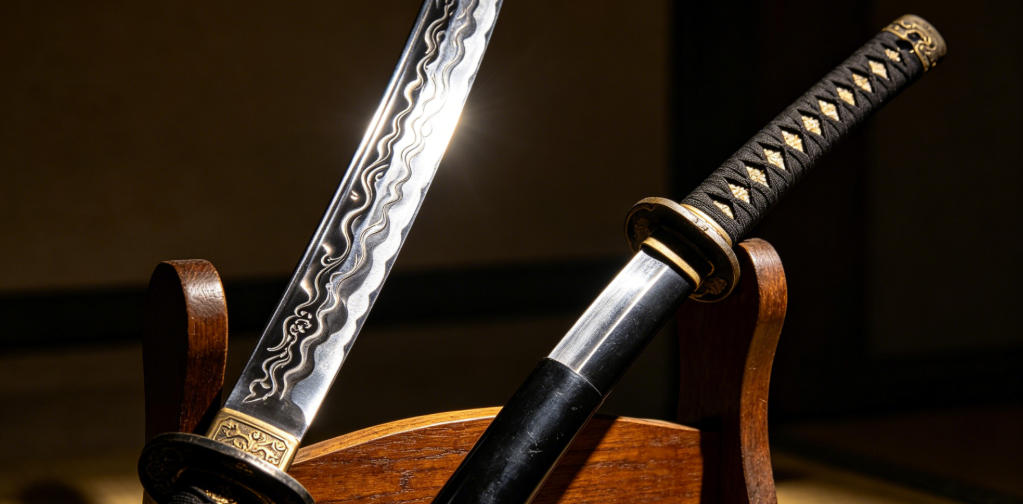
What Is a Tachi Sword and How Is It Different From a Katana?
In the history of Japanese swords, the Tachi is one of the earliest and most iconic forms of samurai swords. More than just a battlefield weapon, the Tachi symbolized the identity, status, and honor of ancient mounted samurai warriors. Compared to the later and more widely recognized Katana, the Tachi features a longer blade, deeper curvature, and a design specifically created for cavalry combat, while also showcasing remarkable craftsmanship and cultural significance.
Today, the Tachi continues to attract collectors, historians, martial arts enthusiasts, and fans of Japanese sword culture worldwide. Search terms such as 'tachi sword,' 'Japanese tachi,' and 'samurai tachi sword' continue to gain popularity, reflecting the growing global fascination with traditional Japanese blades and samurai history.
What Is a Tachi?
I. The Origins and History of the Tachi
The Tachi originated during the mid-to-late Heian period in Japan (around the 10th century) and is considered a major milestone in the evolution of Japanese swords. Before the development of the Tachi, Japanese warriors primarily used straight swords known as Chokuto, which were heavily influenced by Chinese Tang dynasty blades. While effective for infantry combat, those early swords were not ideally suited for Japan’s rugged terrain or the increasing importance of mounted warfare.
As the samurai class gradually rose to power, warfare in Japan began to evolve. Aristocratic warriors increasingly relied on horseback combat, and traditional straight swords lacked the efficiency needed for fast-moving cavalry battles. As a result, the Tachi emerged with a longer blade and a deeper curve specifically designed for mounted combat.
The defining characteristic of the Tachi was its optimization for cavalry charges.
Its curved blade allowed for smoother, more natural cutting motions while riding at high speed, improving cutting efficiency while reducing resistance during swings. This design made the Tachi exceptionally effective on the battlefield and quickly established it as a primary weapon of the samurai class.
Throughout Japanese history, the Tachi remained prominent across several important eras:
-
Heian Period (794–1185)
The Tachi first took shape during this era and was mainly carried by aristocratic samurai and regional warlords. During this time, it evolved from a battlefield weapon into a symbol of rank and prestige. -
Kamakura Period (1185–1333)
As Japan entered the age of samurai government, cavalry warfare reached its peak. The Tachi became the dominant battlefield weapon, and many legendary blades were forged during this era. Renowned swordsmiths created highly refined Tachi featuring elegant curvature and beautiful hamon temper lines. -
Nanbokucho Period (1336–1392)
Large-scale warfare intensified during this period, leading to the development of even longer and heavier Tachi. Some evolved into massive battlefield swords known as Odachi, famous for their dramatic size and visual impact. -
Early Muromachi Period
As infantry tactics and quick-draw combat techniques became more important, the Katana gradually rose to prominence. However, the Tachi remained highly respected among nobles and high-ranking samurai.
The Tachi was far more than a battlefield weapon — it represented samurai culture, family honor, and social status.
Famous swordsmith schools such as Sanjo Munechika and Masamune forged legendary Tachi that became symbols of Japanese craftsmanship and warrior spirit. These masterpieces are now regarded as priceless cultural treasures and important examples of traditional Japanese sword-making.
Today, keywords such as 'antique tachi,' 'authentic Japanese tachi,' and 'samurai tachi sword' continue to trend in the global sword collecting market as more enthusiasts discover the historical and artistic significance behind these ancient blades.
Compared to the modern Katana, the Tachi more strongly reflects the atmosphere of Japan’s cavalry era and the noble elegance of classical samurai culture, making it one of the most admired traditional Japanese swords among collectors.

II. Design and Characteristics of the Tachi
As the signature cavalry sword of ancient Japan, the Tachi combines battlefield practicality with artistic beauty. Every detail of its construction reflects the philosophy, aesthetics, and tactical needs of Japanese sword craftsmanship. Compared to the Katana, the Tachi features a longer blade, deeper curvature, and distinct methods of wearing and decoration.
1. Blade Length and Curvature
Tachi blades are typically longer than Katana blades, averaging between 70–90 centimeters, with some legendary examples exceeding one meter in length. This extended reach allowed mounted warriors to strike enemies more effectively during high-speed charges.
The curvature of the Tachi, known as 'sori,' is usually more pronounced than that of the Katana. This deeper curve served several important purposes:
-
Mounted Combat Advantage
The curved blade enabled smoother cutting motions during horseback combat without interference from the horse’s movement. -
Improved Cutting Efficiency
The arc-shaped blade created a more effective slicing trajectory, increasing cutting power upon impact. -
Aesthetic Elegance
The flowing curve gave the Tachi a graceful and majestic appearance, symbolizing the status and refinement of the samurai class.
In addition, Tachi blades were often wider and thicker than later Katana blades, improving battlefield durability. The slightly downward-curved tip also enhanced thrusting capability while maintaining strong cutting performance.
2. Carrying Style
One of the most recognizable features of the Tachi is its unique carrying method:
- Tachi: Worn edge-down and suspended from the waist or shoulder using cords or straps
- Katana: Worn edge-up through the belt
This carrying style offered several practical and symbolic advantages:
-
Tactical Functionality
Wearing the blade edge-down allowed mounted samurai to draw the sword smoothly and naturally while riding. -
Status Display
The suspended design made the sword more visible, allowing samurai to showcase their family crests, decorations, and wealth. -
Cultural Symbolism
The carrying method reflected the traditions and ceremonial customs of Japan’s cavalry warrior culture.
Because of this, the Tachi often appeared more elegant and ceremonial than the later Katana.
3. Mountings and Decorations
The Tachi was not merely a weapon — it was also a work of art. High-ranking Tachi often featured highly elaborate mountings that incorporated samurai identity, family heritage, and religious symbolism.
Common decorative elements included:
-
Lacquered Scabbards (Saya)
Beautifully lacquered sheaths designed to protect the blade while enhancing visual elegance. Some featured gold, silver, or gemstone inlays. -
Silk Handle Wrapping (Tsuka-ito)
Intricate silk wrapping improved grip while reflecting refined craftsmanship and samurai status. -
Decorative Sword Guards (Tsuba)
Tsuba were often engraved with dragons, tigers, phoenixes, chrysanthemums, or family crests. -
Mythological and Religious Symbols
Many Tachi incorporated symbols representing protection, authority, good fortune, or spiritual power. -
Luxury Ornamentation
Some ceremonial Tachi featured gold plating, silver inlays, or engraved carvings that transformed the sword into a collectible masterpiece.
These decorative features reflected the Japanese philosophy of combining practicality with beauty. In many cases, ceremonial Tachi were never intended for combat but instead served as heirlooms, gifts, or symbols of authority.
4. The Balance Between Function and Beauty
The Tachi perfectly represents the Japanese concept of balancing martial function with artistic elegance:
- Functionality: Long, curved, durable blades ideal for mounted combat
- Aesthetics: Elegant curves, luxurious decorations, and refined craftsmanship
- Spiritual Meaning: A symbol of loyalty, courage, honor, and samurai identity
Because of this combination of practicality, beauty, and cultural significance, the Tachi remains highly respected among collectors and historians today.

III. Tachi vs Katana: What’s the Difference?
Many people search for 'tachi vs katana' when learning about Japanese swords. Although both belong to the Japanese sword tradition, they differ significantly in design, history, and combat purpose.
| Feature | Tachi | Katana |
|---|---|---|
| Historical Era | Heian to Nanbokucho | Muromachi to Edo |
| Blade Curvature | More curved | Less curved |
| Blade Length | Usually longer | Usually shorter |
| Carrying Style | Edge-down suspension | Edge-up through belt |
| Combat Style | Cavalry combat, sweeping attacks | Infantry combat, quick draw |
| Decorative Style | Noble and ceremonial | Practical and minimalist |
The Tachi was primarily designed for mounted warfare and aristocratic display, while the Katana evolved into a more versatile weapon for close combat and dueling.
IV. Traditional Tachi Forging Techniques
Traditional Tachi were crafted using advanced Japanese sword-making methods, including:
- Folded Steel Forging for strength and flexibility
- Clay Tempering to create visible hamon temper lines
- Full Tang Construction for durability and balance
- Hand Polishing and Engraving for sharpness and aesthetics
Many high-end Tachi are forged from materials such as:
- T10 steel
- 1095 high carbon steel
- Folded steel
- Damascus steel
Some legendary blades even contained traces of meteoric iron, increasing their historical and spiritual value.
V. The Symbolic Meaning of the Tachi in Samurai Culture
The Tachi represented far more than military power. It symbolized:
- Samurai rank and authority
- Family honor and legacy
- Loyalty and courage
- Spiritual discipline
- Cultural tradition
Many Tachi were passed down through generations as treasured family heirlooms.
Because of this deep symbolism, keywords such as 'authentic tachi sword' and 'samurai tachi collectible' remain highly popular among collectors today.
VI. Modern Collecting and Popular Culture
1. Collector Appeal
Modern collectors typically seek two types of Tachi:
- Antique collectible Tachi
- Battle-ready functional Tachi
Collectors appreciate the Tachi for its historical authenticity, elegant shape, and strong connection to classical samurai culture.
2. Influence in Anime and Games
Tachi-style swords frequently appear in:
- Samurai anime
- Fantasy games
- Historical films
- Cosplay culture
As a result, terms like 'anime tachi sword' and 'tachi sword replica' continue to rise in popularity.
VII. How to Choose a Good Tachi
When selecting a Tachi, buyers often consider:
- Blade steel quality
- Hamon and clay tempering
- Full tang construction
- Craftsmanship and fittings
- Collecting vs cutting practice purposes
High-quality Tachi combine historical accuracy with functional durability.
Handmade Japanese Tachi Sword, Oda Nobunaga Sword T10 Steel Clay Tempered Cypress Saya

VIII. Final Thoughts
The Tachi is not only one of the earliest forms of Japanese swords, but also one of the greatest symbols of samurai culture. It embodies:
- Battlefield effectiveness
- Traditional craftsmanship
- Classical Japanese aesthetics
- Samurai honor and identity
Compared to the Katana, the Tachi more vividly captures the spirit of Japan’s ancient cavalry era and aristocratic warrior culture.
Whether for historical research, sword collecting, martial arts, or appreciation of Japanese culture, the Tachi remains one of the most iconic and respected traditional Japanese swords in history.

