


When Did the Samurai End? Rise and Fall of Japan’s Warrior Class
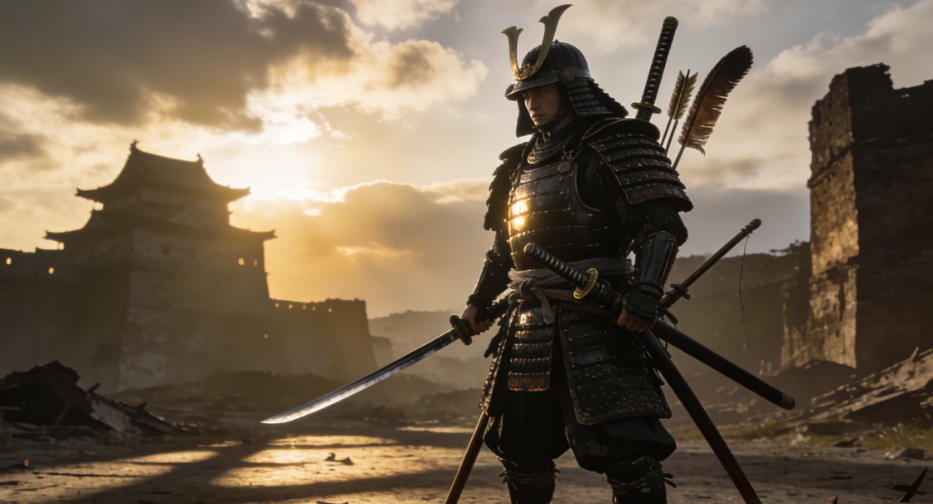
When Did the Samurai End and How Did Japan’s Warrior Class Disappear?
In world history and military culture, samurai are one of the most iconic warrior classes. Whether in Japan’s feudal history, katana culture, or modern anime, films, and video games, the image of samurais continues to symbolize loyalty, honor, and the Bushido spirit. Many people often ask: when did the samurai end? How did the samurai disappear?
This article systematically explores the periods of Japan with samurai, tracing the rise, peak, and decline of the samurai, and examining their lasting influence on modern society.
1. The Origins of the Samurai: From Servants to Military Nobility
The term 'samurai' comes from the Japanese word '侍 (samurai),' meaning 'one who serves.' In the earliest stages, samurai were not rulers but armed retainers serving nobles or the imperial family, responsible for guarding estates, maintaining local security, and participating in regional conflicts. Early samurais were closer to private military forces than a national army.
During the late Heian period (approximately 10th–12th century), the central aristocratic government weakened, estate systems expanded, and local warlords grew in power. With Kyoto’s authority over the provinces diminished, local clans relied on armed forces for self-protection, directly contributing to the formation and growth of the samurai class. This period represents the earliest periods of Japan with samurai and marks the critical transition of warriors from 'servants' to 'professional fighters.'
As samurai groups strengthened, Japan entered the decisive Genpei War, a conflict not only between the Taira and Minamoto clans but also a turning point in Japanese history, bringing samurai fully onto the historical stage. After the war, Minamoto no Yoritomo established the Kamakura shogunate, creating Japan’s first military government dominated by samurai.
From this point onward, samurai were no longer merely local guards or noble retainers but became the core of Japan’s political and military power. The warrior class began to control land, command armies, and operate under a feudal system based on loyalty, honor, and hierarchical relationships, officially entering the samurai governance era. This transformation laid the foundation for centuries of Japanese history and ensured samurai would continue to play a leading role across multiple periods of Japan with samurai.

2. The Golden Age of the Samurai: Shogunate Rule and the Warring States
During the Kamakura, Muromachi, and Sengoku periods, samurais became the main forces on the battlefield. They wielded katanas, bows, and spears, and operated within a strict social hierarchy.
The Sengoku period (15th–16th century) was when samurai saw the most frequent combat. Daimyos competed for territory, and the warrior class continued to grow in number and influence. In modern searches, alternative spellings like “samuria” or “samuari” are sometimes used, but the correct spelling remains samurai.
During the Edo period (1603–1868), Japan entered a long period of peace. Samurai no longer fought regularly and gradually shifted into administrative and managerial roles. Although no longer charging on the battlefield, they remained a privileged social class.
3. When Did the Samurai End? The True End of the Warrior Class
Regarding when did the samurai end, history provides a clear answer.
In the mid-19th century, Japan faced pressure from Western powers and was forced to open its borders. The subsequent Meiji Restoration (1868) completely transformed Japan’s feudal system.
Key events included:
-
Abolishing the feudal class system
-
Eliminating the hereditary privileges of samurai
-
Establishing a modern conscription-based army
-
The 1876 “Haitō Edict,” banning samurai from carrying swords in public
This series of reforms marked the official end of the samurai class.
The Satsuma Rebellion of 1877 is considered the last large-scale samurai-led resistance. Following its defeat, the samurai as a social class effectively disappeared from Japanese society.
Thus, if asked when did the samurai end?
The answer is: in the late 19th century, particularly between 1876 and 1877.
4. Periods of Japan with Samurai: Historical Stages of the Warrior Class
Throughout Japanese history, samurai were not limited to a brief period but played a central role across multiple eras. Understanding the periods of Japan with samurai helps clarify how the warrior class evolved from local militias into national rulers before eventually being dissolved.
The key historical stages of samurai activity include:
1. Late Heian Period (Emergence of the Samurai)
During the late Heian period, the central aristocratic power weakened, and local warlords began organizing armed forces to protect their estates. Early samurai primarily served as retainers or guards for nobles, excelling in horseback archery and loyalty to their families.
This period laid the structural foundation for the samurai class and represents the earliest periods of Japan with samurai.
2. Kamakura Period (Rise to Power)
After the Genpei War, Minamoto no Yoritomo established the Kamakura shogunate, marking the first time samurai became the central authority in Japan.
During this period, samurai were not only warriors but also administrators and land managers. The feudal system of loyalty between lords and vassals was formalized, making samurai the backbone of social order.
3. Muromachi Period (Shogunate Continuation)
During the Muromachi period, samurai governance continued, but central authority weakened and regional daimyo power grew.
Samurais served both as military commanders and local rulers, setting the stage for prolonged conflicts in later periods.
4. Sengoku Period (Warfare Peak)
The Sengoku era was the most intense period of samurai warfare and territorial expansion. Daimyos competed fiercely, battles were frequent, and the samurai class expanded both in number and military capability.
Many legendary warlords emerged during this period, and samurai reached the peak of their military influence.
5. Edo Period (Transformation and Stability)
During the Edo period, under Tokugawa rule, Japan experienced long-lasting peace.
With fewer wars, samurai gradually transitioned from battlefield roles to administrative and bureaucratic positions. They retained social privileges, but their military function diminished. This transition provides important context for understanding when did the samurai end.
Summary
From their emergence in the Heian period, to their peak on the battlefields during the Sengoku era, and finally to their peaceful transformation in the Edo period, the periods of Japan with samurai span nearly 700 years.
Throughout this long history, samurai not only dominated Japan’s military system but also profoundly shaped its feudal political structures, social hierarchy, and the spirit of Bushido.
It can be said that without the samurai, medieval Japan’s political framework and cultural traditions would not have existed.

5. Why the Samurai Spirit Has Not Disappeared
Although the samurai as a social class officially ended in the 19th century (the answer to when did the samurai end points to the Meiji Restoration), the spirit of the samurai has never disappeared. Instead, it transformed from a military culture into a system of values, an artistic symbol, and a global cultural icon, continuing to influence the world today.
1. Bushido: From Battlefield Ethics to Modern Values
Bushido, the 'way of the warrior,' was originally the code of conduct for samurai. It gradually developed and was refined across multiple periods of Japan with samurai, emphasizing principles such as:
-
Loyalty
-
Honor
-
Courage
-
Discipline
-
Responsibility
-
Self-control
In the feudal era, these principles regulated samurai loyalty to their lords and guided personal moral conduct. In modern society, the spirit of Bushido has been reinterpreted to inspire:
-
Dedication and professionalism at work
-
Responsibility and accountability within teams
-
High standards for personal behavior
Thus, even though the samurai class disappeared, Bushido remains an integral part of Japanese social culture and continues to endure.
2. Samurai Swords and Martial Arts: Traditional Skills Preserved
The combat skills of the samurai did not vanish with their social class. Instead, they evolved into modern martial arts systems, including:
-
Kendo (the way of the sword)
-
Iaido (quick-draw sword techniques)
-
Aikido (martial discipline with roots in samurai combat)
These arts trace directly back to samurai training methods and battlefield strategies. The samurai sword (katana) is not only a weapon but also a symbol of Japanese craftsmanship and cultural identity.
Globally, keywords such as samurai sword history, katana forging, and Japanese sword techniques remain highly searched, reflecting ongoing interest in samurai weapon culture.
3. Samurai in Global Popular Culture
In modern films, anime, and video games, samurai have become iconic heroic archetypes.
Whether in historical dramas or fantasy narratives, samurais are often portrayed as:
-
Lone warriors who uphold honor
-
Master swordsmen with exceptional skill
-
Loyal heroes who struggle with inner conflicts
This portrayal has allowed the samurai to transcend Japanese culture, becoming a globally recognized symbol of warriors. From historical dramas to fantasy stories, the samurai spirit is continuously reimagined and propagated, establishing a cross-cultural legendary status.
Although the samurai class ended institutionally, their spirit underwent a transformation. They shifted from feudal warriors into:
-
A value system (Bushido)
-
A symbol of traditional craftsmanship (samurai sword)
-
A global cultural icon
For this reason, samurai are no longer just historical figures within the periods of Japan with samurai. They have become a timeless symbol of spirit and virtue. This is why, even though we know when did the samurai end, people continue to study and celebrate the history and cultural impact of samurai and samurais.
Hand Forged Japanese Samurai Katana Sword 1095 Carbon Steel Unokubi-Zukuri Blade Iron Tsuba

Conclusion: The Samurai’s Disappearance Does Not Mean the End of the Legend
The samurai as a social class officially ended in the late 19th century. Yet as a symbol of spirit and culture, they never truly disappeared.
From their emergence in the Heian period, to battlefield glory in the Sengoku era, and finally to institutional dissolution during the Meiji Restoration, the history of the samurai spans centuries.
To revisit the key question:
When did the samurai end?
Institutionally, they disappeared after the Meiji Restoration, but their spiritual and cultural influence continues to this day.
Samurai are not merely a part of Japanese history—they are a lasting emblem of world military culture and the ideals of heroism.

