


Ultimate Guide to Katana Parts: Understand All Sword & Katana Details
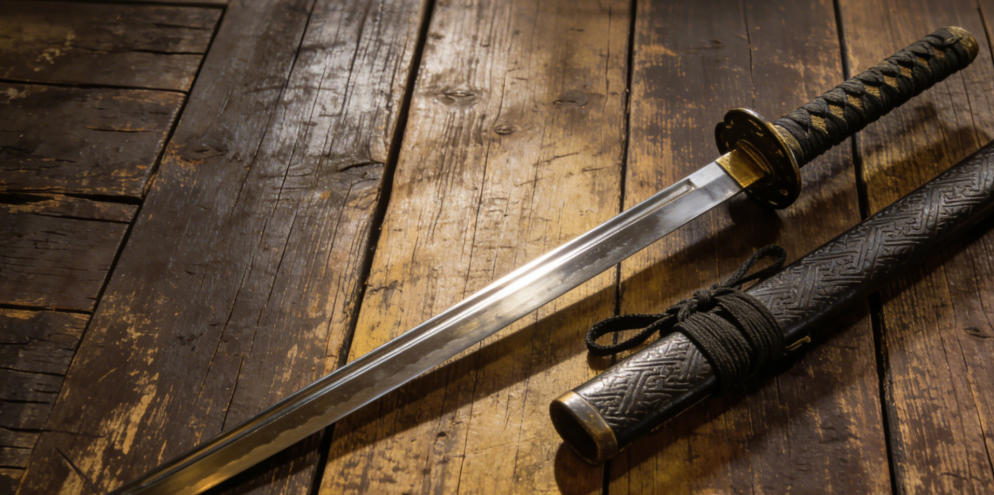
What Are the Different Parts of a Katana and How Do They Work?
The Japanese katana is not only a weapon but also a symbol of samurai culture, history, and craftsmanship. Understanding the structure of a traditional katana, including the details of parts of a sword, helps deepen appreciation for its value, aesthetics, and functionality. This article provides a systematic overview of sword parts, including the blade, guard, handle, scabbard, and accessories, explaining their names, purposes, and significance.
What Are the Key Parts of a Katana Blade?
The blade of a katana includes several essential components:
- Hamon (Blade Pattern): Enhances sharpness and durability
- Kissaki (Tip): Affects piercing and cutting performance
- Hi (Groove): Reduces weight and improves balance
- Yokote (Transition Line): Distinguishes the blade from the tip
These are the core structures of every katana sword parts.
-
Hamon (Blade Pattern):
Hamon is the distinctive wave-like pattern along the edge of the blade and is one of the most recognizable features of traditional katana sword parts. It originates from the ancient differential tempering process (Clay Tempering), where parts of the blade are coated with clay before quenching, making the edge harder while keeping the spine more flexible. This not only ensures extreme sharpness but also increases the blade's resilience and reduces the risk of breakage. In combat, the Hamon helps the edge withstand impacts and deformation. Additionally, the pattern reflects the personality and aesthetics of the swordsmith, with different styles and techniques producing unique Hamon designs, making each katana an exceptional work of art and collectible.
-
Kissaki (Tip):
Kissaki refers to the tip of the blade, a critical parts of sword affecting thrusting and slicing efficiency. The length, angle, and curvature of the tip directly influence penetration depth, cutting power, and overall effectiveness. A well-crafted Kissaki must be sharp, durable, and proportionate to the blade, ensuring proper balance of the entire katana sword parts. Different historical periods and martial arts schools created various tip shapes: longer tips are ideal for precise thrusting, while shorter tips are better for powerful slicing. The Kissaki plays a vital role in combat and performance, while also serving as a hallmark of Japanese sword aesthetics.

-
Hi (Groove):
Hi is a recessed groove along the blade, also known as a "blood groove," and is a common element of sword parts. Its main purpose is to reduce blade weight, making it easier to wield while maintaining structural strength and balance. During high-speed swings, the Hi produces a distinctive airflow sound, enhancing both visual and auditory presence in combat. The length, depth, and placement of the groove can fine-tune blade weight distribution, improving handling and precision. This design reflects the intricate combination of mechanics and artistry applied by ancient swordsmiths, ensuring every katana performs optimally in practice and display.
-
Yokote (Transition Line):
Yokote is the straight line separating the blade from the tip, an essential element of katana parts. It visually distinguishes the tip from the main blade and serves as a reference during sharpening, repair, and maintenance. For swordsmiths, the angle and curvature of the Yokote directly impact the blade’s contact point, cutting efficiency, and overall performance, while giving the katana an elegant and flowing profile. It represents the perfect integration of aesthetics and functionality in Japanese swordmaking, making it a distinctive and technical part of a sword.
Blade Structure: Core Katana Parts
Blade (Nagasa)
The blade is the most essential component of katana sword parts and represents the soul of the sword. Traditionally, katana blades are forged from high-carbon steel and folded multiple times before quenching, resulting in a sharp yet flexible blade capable of absorbing impacts without breaking. This complex craftsmanship reflects the skill of the swordsmith, making each katana parts unique and valuable for both collection and practical use.
Key blade details define the performance and aesthetics of the parts of a sword:
- Hamon (Blade Pattern): The unique wave along the edge, a hallmark of differential tempering, enhances sharpness and durability while showcasing the swordsmith’s craftsmanship.
- Kissaki (Tip): Determines piercing and slicing performance, with careful design ensuring sharpness, balance, and durability.
- Hi (Groove): Reduces weight and improves balance while creating a distinctive sound when swung, combining practicality and visual appeal.
- Yokote (Transition Line): Provides a clear separation between blade and tip, aids sharpening, and enhances the blade’s silhouette, marking an important feature of katana sword parts.
Each element demonstrates the harmony of function and aesthetics in katana parts, helping collectors and martial artists appreciate the structure, balance, and technique of the katana.
Guard (Tsuba)
The Tsuba, located between the blade and handle, is an indispensable katana part. It prevents the user’s hand from sliding onto the blade and serves as a symbol of status, identity, and aesthetic taste.
Tsuba materials and craftsmanship are diverse, including iron, copper, alloys, gold plating, and gem inlays. Designs often feature natural landscapes, mythology, historical figures, or family crests. A beautifully crafted Tsuba not only protects in combat but also serves as a collectible piece of art, reflecting the seamless combination of functionality and aesthetics in Japanese sword culture.
Handle (Tsuka)
The Tsuka (handle) connects the blade to the user and is a critical sword part for controlling the katana. Comfort and stability directly affect precision and safety, making the design of each katana sword part essential.
Key components include:
- Tsuka-ito (Cord Wrapping): Silk or cotton wrapping for grip and slip resistance during high-speed swings.
- Samegawa (Ray Skin): Shark or ray skin increases friction and improves grip.
- Menuki (Ornament): Small metal ornaments under the wrapping, enhancing aesthetics and grip comfort.
- Fuchi and Kashira (Metal Fittings): Reinforce the top and bottom of the handle, providing strength and elegance.
- Mekugi (Bamboo Peg): Secures the blade to the handle, ensuring stability—a vital parts of a sword element.
These details highlight the combination of practicality and craftsmanship in katana sword parts.

Scabbard (Saya)
The Saya protects the blade and facilitates carrying, while also serving as a cultural and artistic symbol. Traditional scabbards are made of lightweight wood with lacquer coatings for durability and aesthetics.
Common components include:
- Kurikata (Cord Knob): For tying the scabbard to the belt or clothing.
- Koiguchi (Mouth): Reinforced opening to prevent blade loosening or damage.
- Kojiri (End Cap): Protects the scabbard tip from wear.
- Sageo (Cord): Connects the scabbard to the belt and serves as decoration, an important parts of sword element.
The Saya ensures blade safety while adding visual appeal and collectible value, completing the katana sword parts system.
Accessories & Maintenance
Understanding basic parts of sword is only the first step. Proper maintenance and accessories extend blade life, preserve sharpness, and ensure safe use.
- Maintenance Tools: Sword stands, oils, cleaning cloths for rust prevention, polishing, and care.
- Storage: Store the katana horizontally with the edge facing up to prevent scabbard damage.
- Regular Checks: Inspect handle, guard, and scabbard for cracks or looseness.
- Safety: Keep space clear during practice or display to avoid accidents.
With careful maintenance, each katana sword part can remain in optimal condition, showcasing craftsmanship, history, and aesthetic appeal for martial arts, performance, or collection purposes.
Hand Forged Japanese Iaito Practice Sword 1060 Carbon Steel Unsharp Full Tang

Conclusion: Understanding Katana Sword Parts
A katana is more than a weapon—it is an art form blending craftsmanship, aesthetics, and cultural heritage. From the blade to guard, handle, scabbard, and even the smallest details, every parts of a sword plays an essential role. Whether you are a collector, martial artist, or history enthusiast, understanding sword parts enhances your appreciation of katana culture, construction, and artistry.

